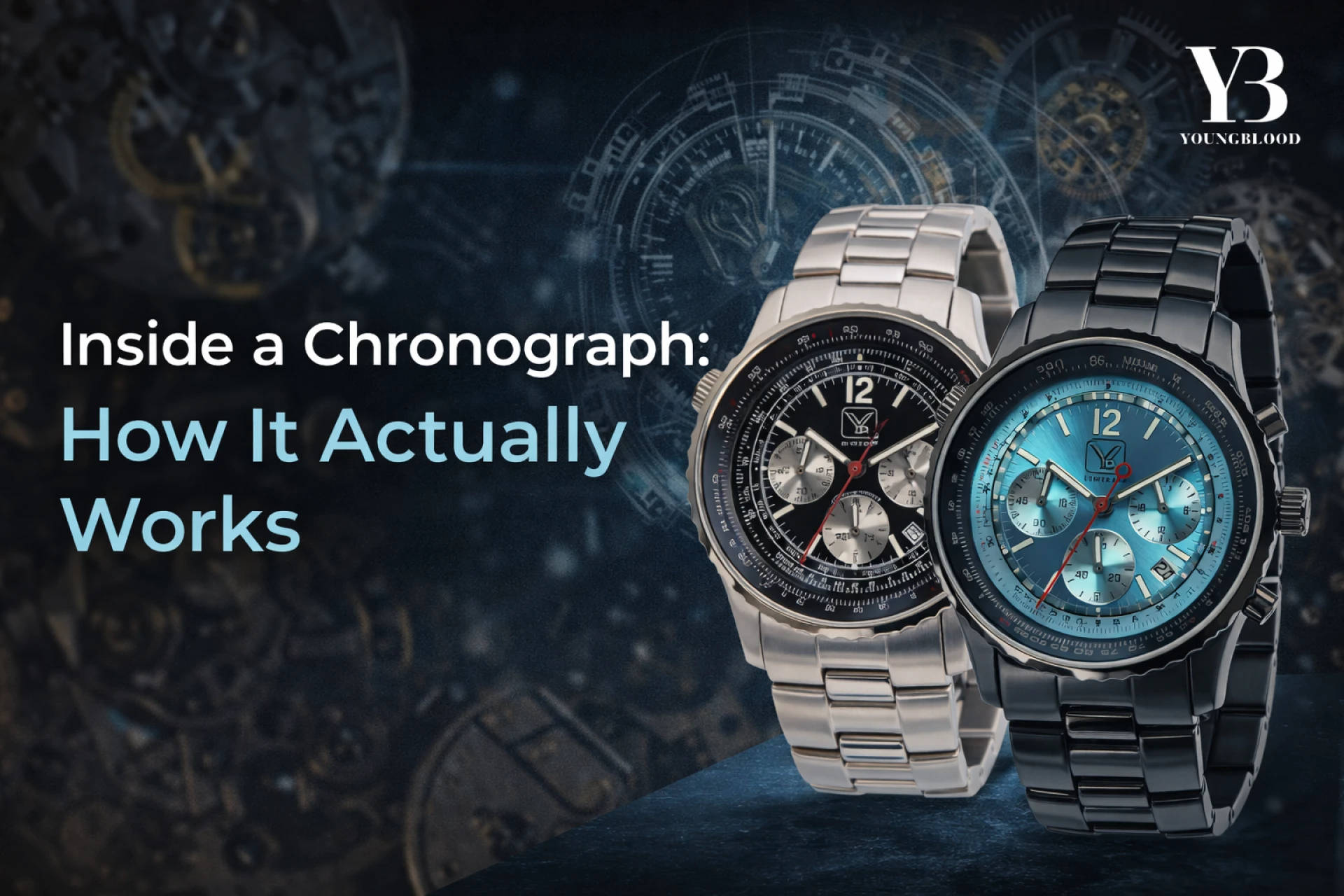

A chronograph watch is more than just a stylish accessory. It combines the function of a traditional timepiece with a built-in stopwatch that can measure elapsed time with precision. This feature makes chronographs popular among watch enthusiasts and collectors who appreciate both functionality and mechanical craftsmanship. Many modern collections, including those from YoungBlood WorldWide, showcase chronograph designs that combine durability, performance, and the bold style expected from a men watch stainless steel.
What Is a Chronograph Watch?
A chronograph is essentially a watch that includes a stopwatch feature in addition to normal timekeeping. It allows the wearer to start, stop, and reset a timer without affecting the regular time display.
Unlike a standard watch that only shows hours, minutes, and seconds, a chronograph includes extra components such as push buttons and smaller sub-dials to track elapsed time. These additional features make the watch more versatile, especially for timing activities like sports, travel, or everyday tasks.
Key Components Inside a Chronograph
Understanding how a chronograph works starts with knowing its main parts. Several internal and external components work together to create this timing system.
Pushers (Control Buttons)
Most chronograph watches include two pushers on the side of the case. The top button starts and stops the stopwatch function, while the bottom button resets the timer back to zero.
Sub-Dials
Small dials on the watch face measure elapsed seconds, minutes, or hours. These sub-dials help display the recorded time in a clear and organized way.
Chronograph Hand
The central second hand typically acts as the stopwatch indicator. When the chronograph is activated, this hand begins moving to track elapsed seconds.
Movement Mechanism
Inside the watch, a complex system of gears and wheels works together to control the timing function. Some watches use a column wheel mechanism for smooth operation, while others use a cam system that relies on levers and springs to manage the stopwatch functions.
How the Timing Mechanism Works
When the start button is pressed, the chronograph mechanism activates a series of small gears known as train wheels. These wheels rotate at different speeds to measure seconds, minutes, and sometimes hours.
The smallest wheel typically completes a full rotation every second. The next gear tracks minutes, and another wheel records longer periods such as hours. By coordinating these rotating components, the chronograph accurately records elapsed time.
When the stop button is pressed, the gears pause instantly so the wearer can read the measured time. Pressing the reset button returns all hands to the zero position, ready for the next measurement.
Additional Features Found in Chronographs
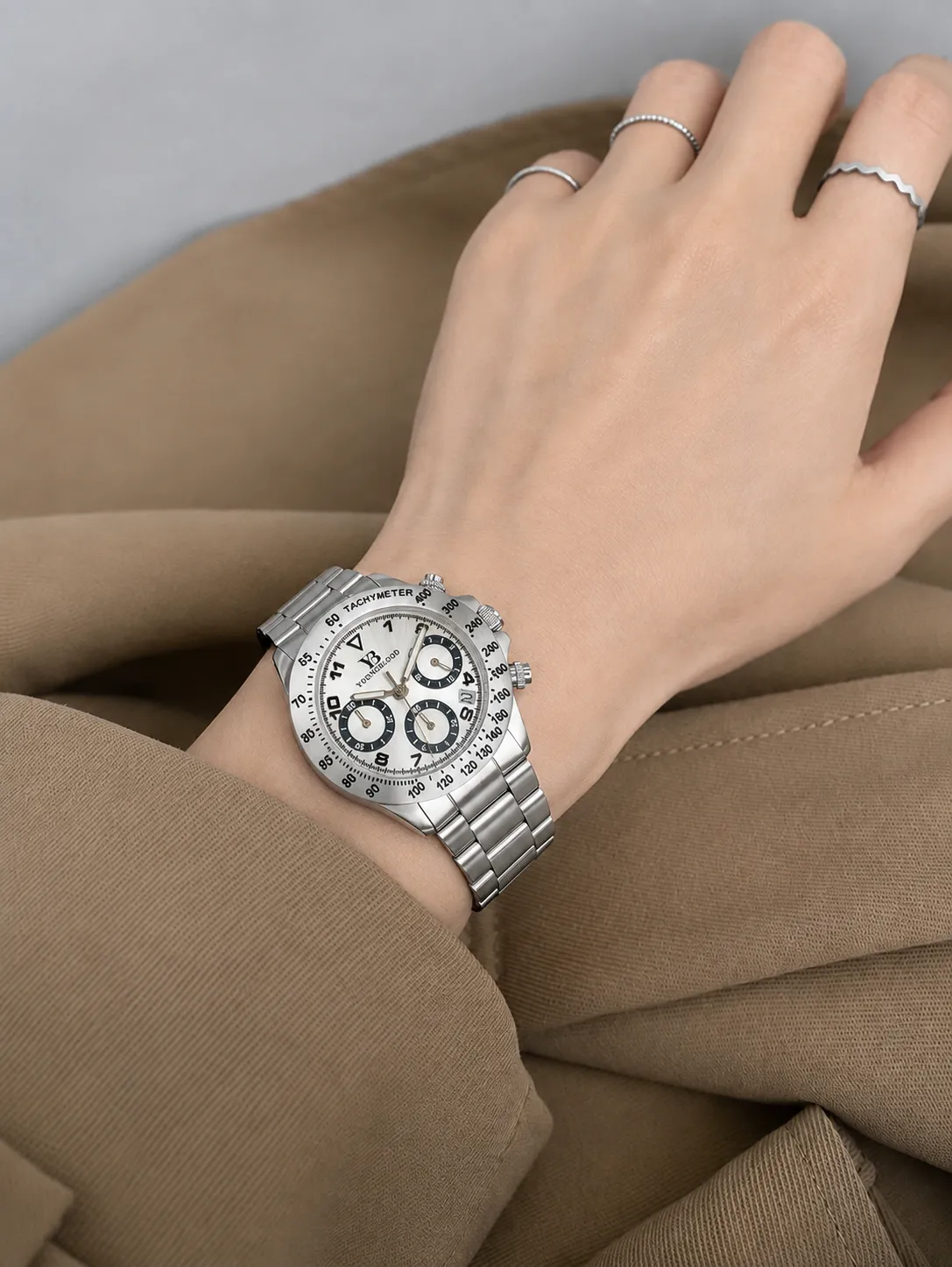
Many chronograph watches also include extra features that enhance their functionality. For example, some models include a tachymeter scale on the bezel, which allows users to calculate speed based on travel time. Other advanced chronographs may include flyback functions or split-second timing for measuring multiple events.
These features add both technical value and visual complexity, which is why chronographs are often considered one of the most fascinating watch complications.
Why Chronograph Watches Remain Popular
Chronograph watches continue to attract attention because they combine engineering precision with stylish design. The layered dial, multiple hands, and mechanical complexity create a bold look that stands out on the wrist.
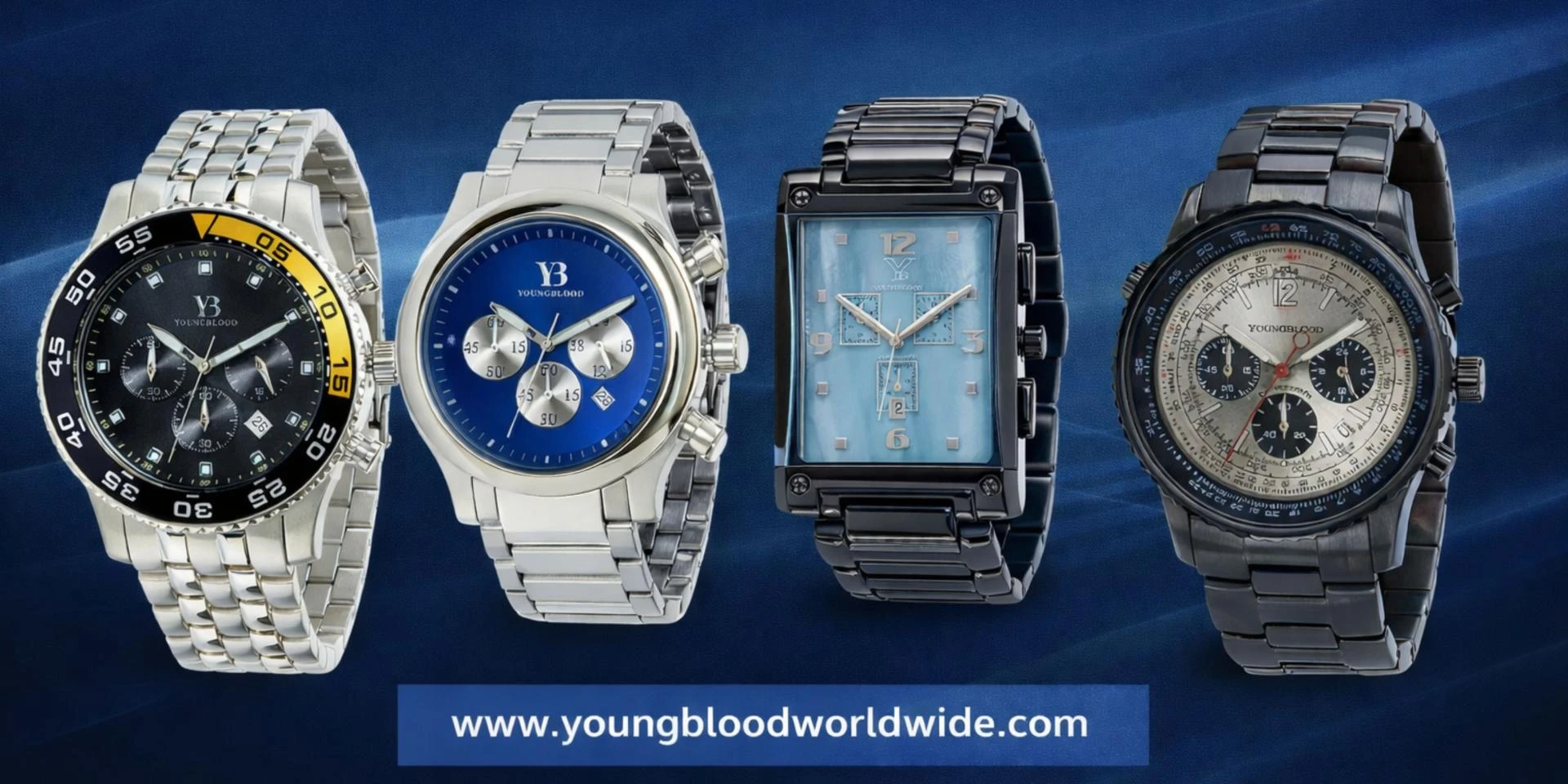
Brands such as YoungBlood WorldWide bring modern style to this classic watch complication. A well-crafted men watch stainless steel chronograph offers durability, performance, and a timeless appearance that works for both casual and formal settings.

























Sign in to leave a comment.