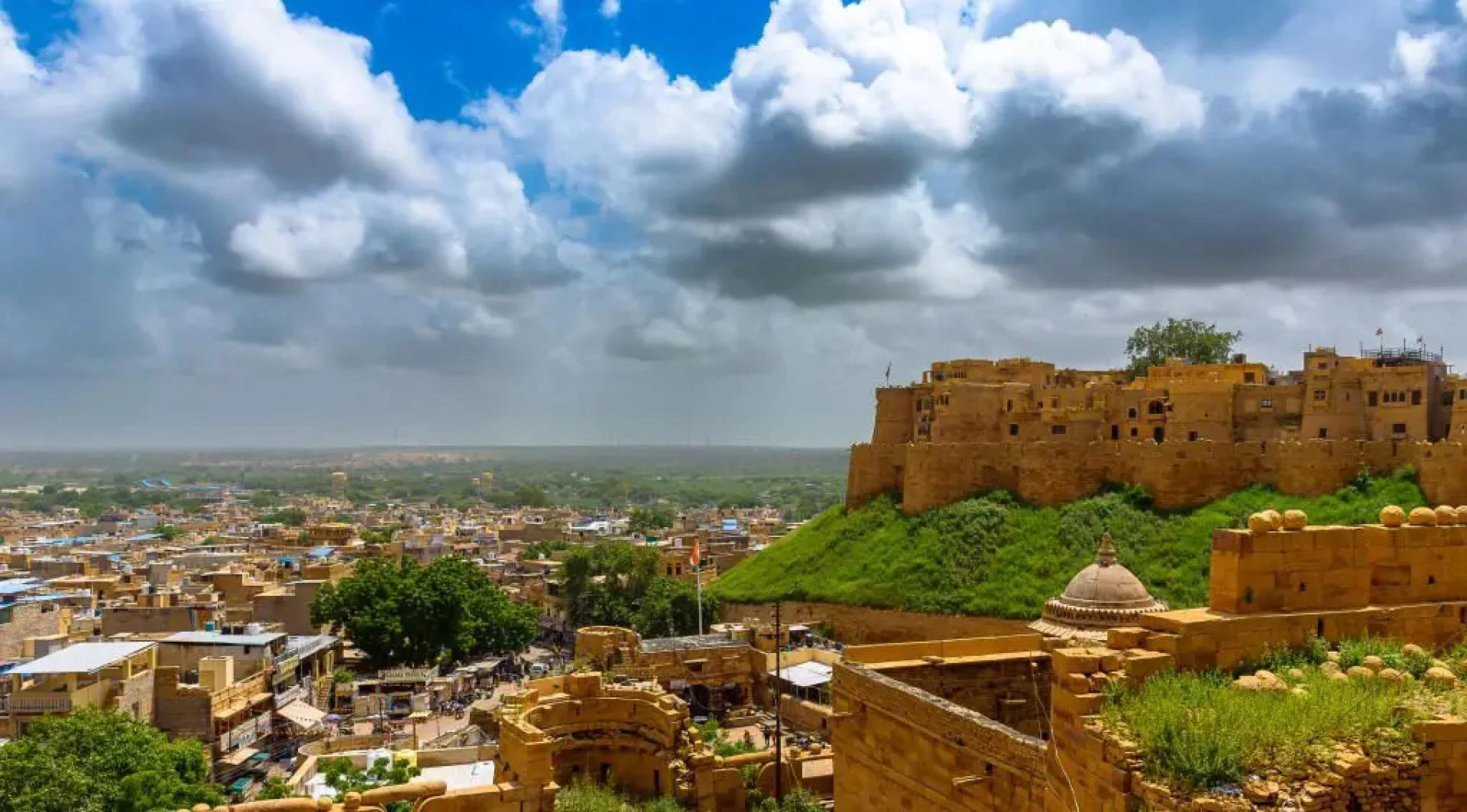

Jaisalmer Fort, often referred to as the "Golden Fort," is one of the largest forts in the world and a magnificent symbol of India\'s rich heritage. Nestled in the heart of the Thar Desert, this iconic structure stands as a testament to the resilience, culture, and architectural brilliance of the Rajput era. Whether you\'re a history enthusiast, an architecture lover, or simply someone looking to immerse yourself in the charm of Rajasthan, exploring Jaisalmer Fort is a must. To enhance your experience, opt for a reliable Jaisalmer Cab service, which will not only ensure a comfortable journey but also give you the flexibility to explore this grand fort at your own pace.
The History and Significance of Jaisalmer Fort
Constructed in 1156 AD by the Bhati Rajput ruler Rao Jaisal, Jaisalmer Fort is steeped in history. The fort has witnessed numerous battles and has been the center of various historical events. Unlike many other forts in India, Jaisalmer Fort is still home to a thriving community, with nearly a quarter of the old city\'s population residing within its walls. This living fort, with its bustling markets, ancient temples, and residential areas, offers a unique glimpse into the past while remaining very much alive in the present.
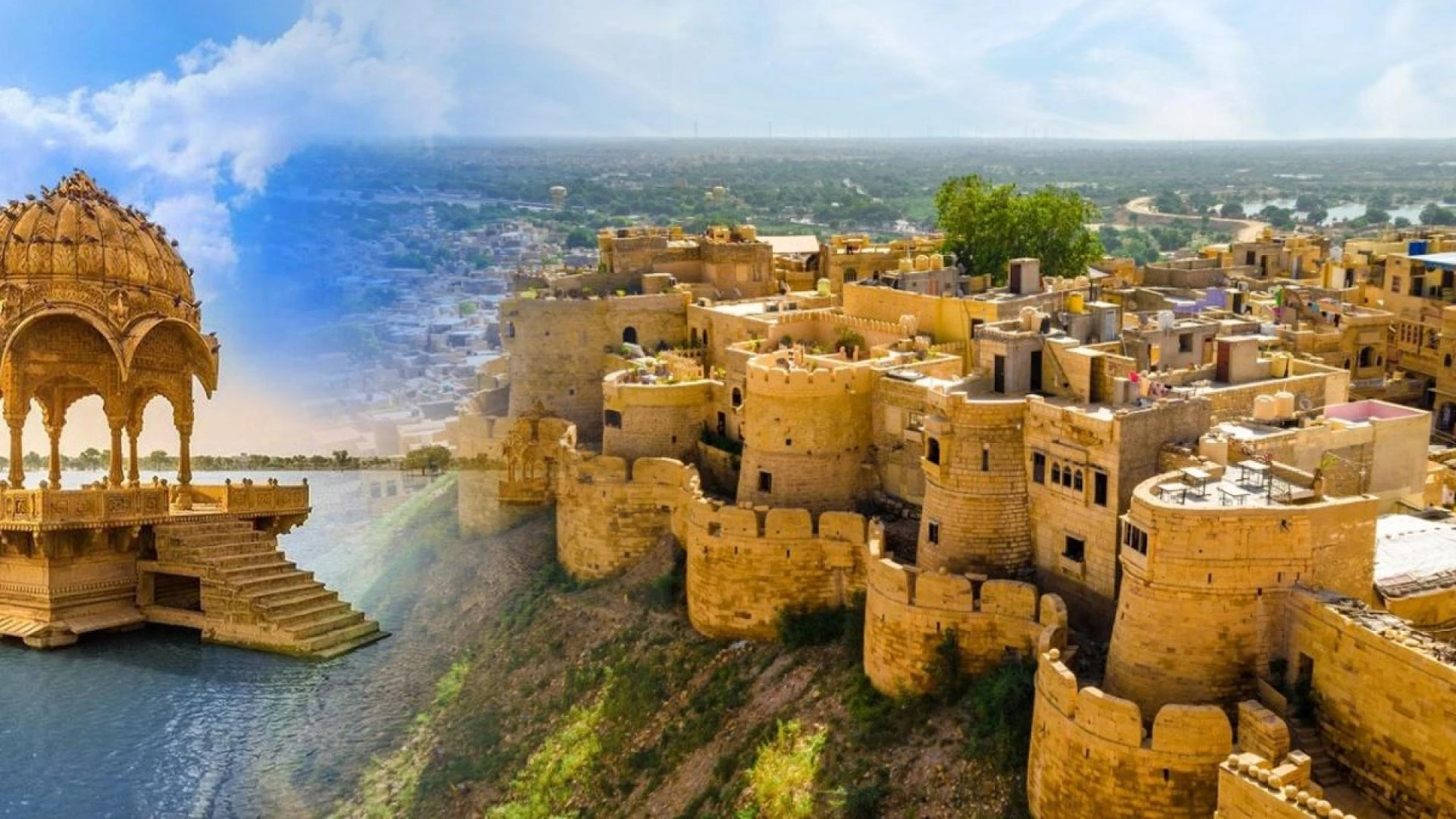
The fort\'s golden-yellow sandstone walls give it a distinct hue, especially during sunrise and sunset, when it seems to blend seamlessly with the desert landscape. This characteristic is why it’s also known as the "Sonar Quila" or Golden Fort.
Architectural Marvel: A Blend of Art and Engineering
Jaisalmer Fort is an architectural wonder, showcasing a perfect blend of Rajput and Islamic styles. The fort\'s structure, rising majestically from Trikuta Hill, features 99 bastions, several palaces, and a complex network of narrow lanes. The fort\'s intricate carvings, latticework, and jharokhas (balconies) reflect the skilled craftsmanship of the era.
A walk through the fort reveals its layered history, from the massive gateways like Akshya Pol and Ganesh Pol, which were designed to thwart invaders, to the exquisite Raj Mahal, which served as the king’s residence. The fort also houses several Jain temples dating back to the 12th and 15th centuries, adorned with detailed sculptures and paintings. These temples are a testament to the artistic and religious fervor of the time.
Exploring the Heart of the Fort: Key Attractions
1. Raj Mahal (Royal Palace):
The Raj Mahal is the most prominent structure within the fort. It was the residence of the royal family and is an excellent example of Rajputana architecture. The palace is adorned with beautiful mirror work, delicate paintings, and ornate balconies. Visitors can explore the various chambers, including the King’s residence, the assembly hall, and the women’s quarters, each offering a glimpse into the luxurious lifestyle of the royals.
2. Jain Temples:
The cluster of Jain temples within Jaisalmer Fort is an architectural delight. These temples, dedicated to different Tirthankaras (spiritual teachers), are known for their intricate carvings, stunning sculptures, and serene ambiance. The temples are a spiritual oasis within the fort, offering visitors a peaceful retreat from the bustling fort streets.
3. Laxminath Temple:
Dedicated to Vishnu and his consort Lakshmi, this temple is one of the oldest within the fort. It’s a significant religious site for Hindus and stands out for its simple yet elegant design. The temple\'s inner sanctum is a place of deep reverence, and the surrounding courtyard often hosts various religious ceremonies.
4. The Fort Museum:
For those interested in the fort\'s history, the museum within the fort offers a rich collection of artifacts, weapons, costumes, and manuscripts. The museum provides a detailed account of the fort’s history, the lifestyle of its inhabitants, and the various dynasties that ruled Jaisalmer. It’s an essential stop for anyone looking to gain deeper insights into the region\'s past.
Discover Jaisalmer with Ease: Jaisalmer Cab Service
Exploring Jaisalmer Fort and the surrounding areas is an experience that demands time and convenience. Opting for a Jaisalmer Cab service is one of the best ways to ensure you can cover all the major attractions without the hassle of navigating through the busy streets on your own. With a cab service, you have the flexibility to explore at your own pace, whether it’s spending extra time admiring the intricate carvings of a Jain temple or taking in the panoramic views from one of the fort’s bastions.
A Complete Jaisalmer Sightseeing Tour
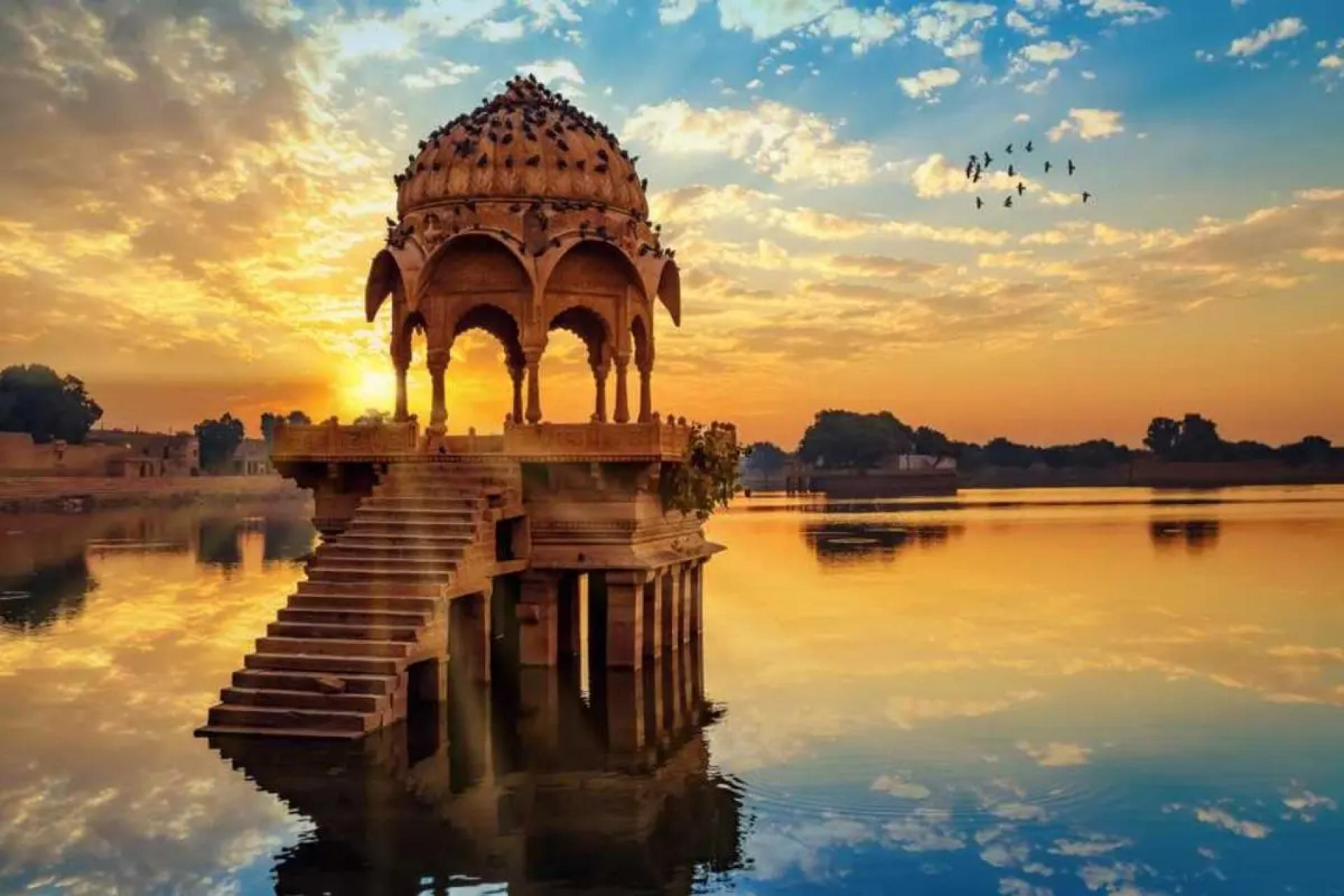
A Jaisalmer Sightseeing Tour isn’t complete without visiting the fort, but there’s much more to explore in this enchanting city. With your cab service, extend your journey beyond the fort to discover the magnificent Havelis, such as Patwon Ki Haveli and Nathmal Ki Haveli, which are famous for their architectural splendor. Also, don’t miss the serene Gadisar Lake, where you can enjoy a peaceful boat ride, and the desert dunes of Sam, where you can experience the thrill of a camel safari.
By choosing a reliable Jaisalmer Cab service, you ensure that your trip is not only comfortable but also memorable. These services often provide knowledgeable drivers who can offer insights into the local history and culture, adding value to your sightseeing experience.
Conclusion
Jaisalmer Fort is more than just a historical monument; it\'s a living, breathing entity that embodies the spirit of Rajasthan. From its golden walls to its bustling inner streets, the fort offers an immersive experience that transports you back in time. To truly appreciate the grandeur of Jaisalmer Fort and its surroundings, consider using a Jaisalmer Cab service. This will not only enhance your visit but also ensure that you make the most of your Jaisalmer Sightseeing Tour. Whether you\'re exploring the ancient temples, admiring the architecture, or simply soaking in the desert landscape, Jaisalmer promises an unforgettable journey through time.


























Sign in to leave a comment.