

If you’ve noticed that search engines and even in-app searches are getting sharper, faster, and more “intuitive,” you’re seeing the AI-powered retrieval stack in action.
But what is it, really? And why should you care, especially as a business or marketer?
Let’s take a look under the hood, in simple terms. I’ll also share how one local business in Kerala gained visibility by tapping into this shift early.
What Is the AI-powered Retrieval Stack?
In the old days, search engines worked like this:
You type a keyword → It looks for exact matches in its index → It shows you links.
Today, it’s different. AI helps search engines understand the meaning behind your search. It’s no longer about matching keywords; it’s about matching intent.
The AI retrieval stack is the system that powers this process. It involves:
- Crawling & indexing (gathering content)
- Embedding content into vectors (so it understands context)
- Matching your query to relevant content (even if it’s not an exact keyword match)
This happens behind the scenes on platforms like Google, YouTube, and even shopping apps. That’s why when you type “how to style a small living room,” it shows videos, images, and blog posts with answers not just pages that contain that sentence.
Why It Matters for Businesses & Marketers
If you’re still optimizing content the old way stuffing keywords and repeating phrases you’re missing out.
Today, AI-driven platforms look at:
- Relevance
- Clarity
- User signals (how people interact with your content)
- Structured data
- Semantic understanding
In short, you need to create content that genuinely answers real questions and format it in a way that machines can understand too.
Case Study: A Local Fashion Brand Ranks on Smart Search
A few months ago, I worked with a boutique fashion brand in Malappuram. They had beautiful sarees, a decent website, and an Instagram shop but weren’t showing up in search results, even for local queries.
We didn’t just tweak their SEO we rebuilt their product pages with AI search in mind:
- Added rich descriptions that answered common buyer questions.
- Used structured data (like product schema).
- Focused on long-tail queries (“affordable cotton sarees for summer weddings”) instead of broad ones.
- Created short, helpful videos and embedded them into pages.
Within 45 days, their traffic from Google Shopping and image search jumped by over 60%. But the best part? Their conversion rate doubled because users were landing exactly where they wanted to be.
That’s the power of being “retrievable” in the AI age.
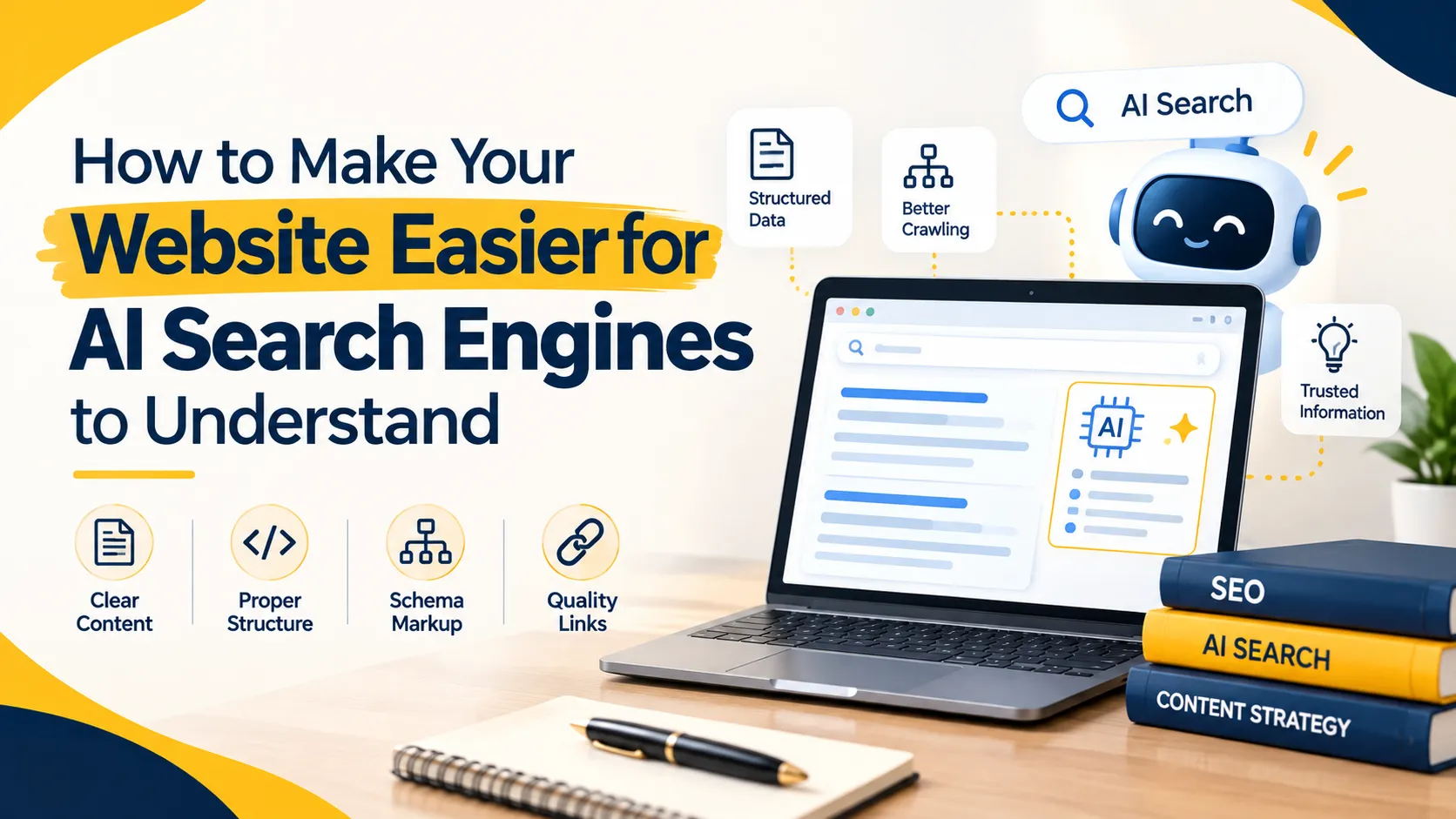
How to Win in the AI-powered Retrieval Stack
Here’s how you can stay ahead:
1. Focus on Intent, Not Just Keywords
Understand what your audience is really asking. Use tools like Google Search Console, Reddit, or your customer FAQs.
2. Structure Your Content Well
Use headings, bullet points, FAQs, and schema markup. Make it easier for machines to scan and understand your content.
3. Use High-quality, Relevant Media
AI doesn’t just analyze text. Images, videos, and even file names matter. Optimize them properly.
4. Update Content Regularly
Fresh content performs better in AI retrieval systems. Keep things updated with new insights or examples.
5. Monitor User Signals
Engagement, bounce rate, and click-throughs tell AI whether your content is actually useful. Track these and refine when needed.
Final Word
We’re moving into a search world where context matters more than keywords, and usefulness beats volume. Whether you're a blogger, business owner, or content strategist, understanding the retrieval stack helps you stay visible and relevant.
As the best freelance digital marketer in Malappuram (a title I’ve earned through hard work and client trust), I’ve seen firsthand how AI is changing the marketing game. But the brands that adapt early are the ones that win.
So, if you're creating content in 2025, don't just think of rankings. Think of retrieval.
Thanks for reading. If you're curious about how AI affects your own business visibility, feel free to drop a message or start a conversation I’m always up for sharing insights that work in the real world.

























Sign in to leave a comment.