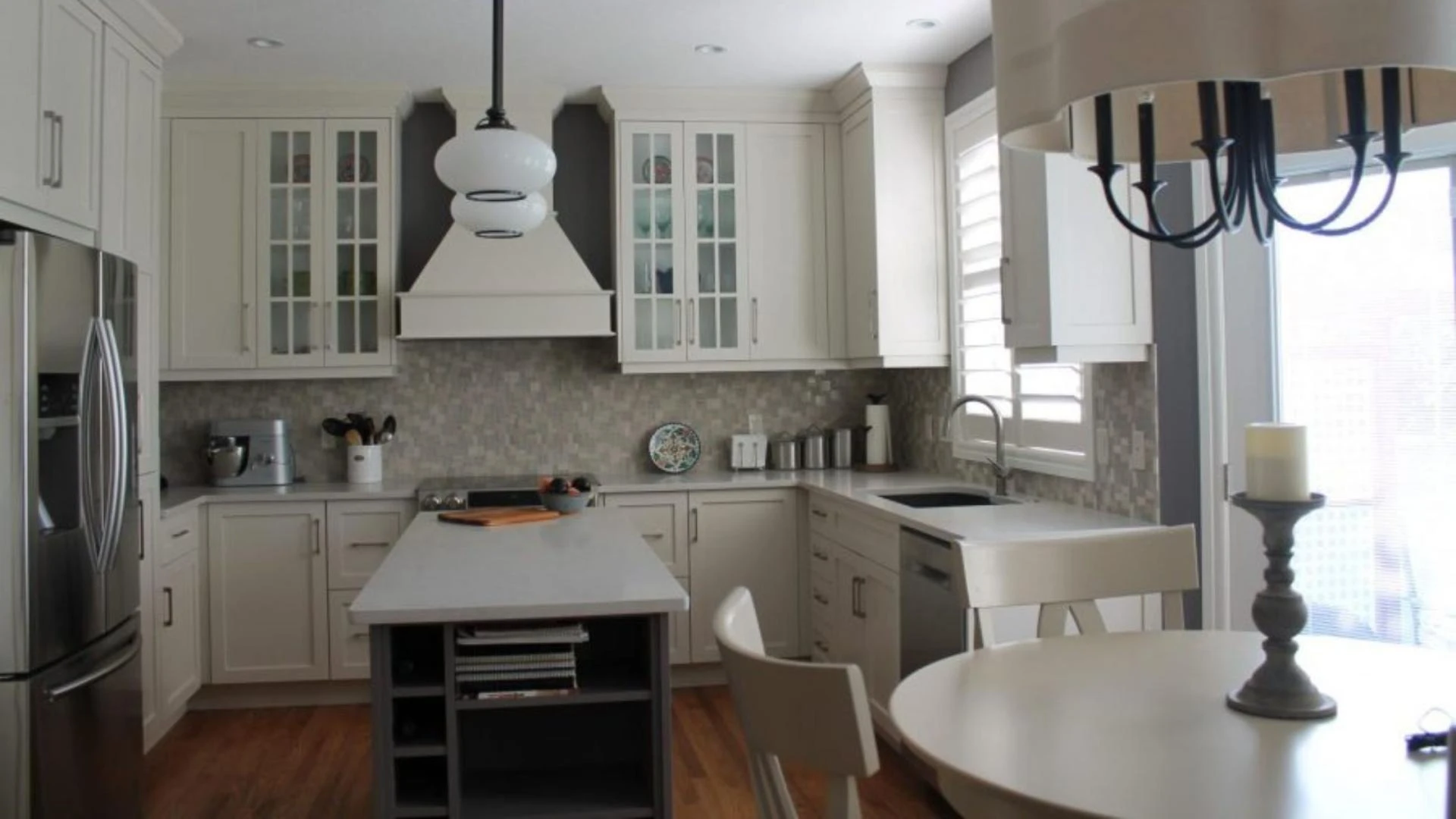

Kitchen cabinetry has quietly become one of the most consequential design decisions shaping modern homes in Calgary. What once functioned as simple storage infrastructure now plays a central role in how kitchens perform, adapt, and age within increasingly complex households. Conversations around the best custom kitchen cabinets often focus on finishes, door styles, or craftsmanship, yet the deeper shift lies elsewhere. Cabinetry is becoming an integrated system that reflects architectural context, behavioural patterns, and long-term residential resilience.
This evolution coincides with broader structural pressures. Urban densification, hybrid work routines, and multi-generational living are forcing kitchens to operate beyond their traditional boundaries. As a result, custom kitchen cabinets design is no longer purely aesthetic. It is strategic planning that determines spatial efficiency, workflow ergonomics, and future adaptability. Understanding how cabinetry fits within these broader dynamics reveals why Calgary’s housing landscape is quietly redefining what “custom” truly means.
The Market Narrative That Oversimplifies Cabinetry
Prevailing commentary tends to reduce cabinetry discussions to style cycles. Industry publications frequently highlight colour trends, door profiles, or decorative hardware as signals of what defines the best custom kitchen cabinets. While these elements influence visual character, they do not explain the deeper forces reshaping how cabinetry functions inside contemporary homes.
The oversimplification stems from treating cabinets as surface elements rather than spatial infrastructure. In reality, cabinetry determines how kitchens absorb daily pressures, from appliance integration to circulation efficiency. When analysis focuses solely on appearance, it obscures the operational role cabinetry now plays within modern residential architecture.
The consequence is predictable. Homeowners often approach custom kitchen cabinets design as a sequence of aesthetic decisions rather than a framework for long-term spatial performance. The result may look appealing initially but struggles to evolve alongside changing household needs.
A more accurate interpretation situates cabinetry at the intersection of design, behavioural science, and structural durability.
Cabinetry as a Behavioural System
Kitchen activity patterns have shifted significantly over the past decade. Calgary households increasingly treat kitchens as hybrid environments. Cooking, remote work, informal meetings, and social gatherings frequently occur within the same spatial footprint.
This behavioural convergence has forced a reconsideration of what defines the best custom kitchen cabinets. Storage density alone is no longer sufficient. Cabinets must facilitate movement, reduce friction in daily routines, and anticipate fluctuating usage patterns throughout the day.
Several operational principles now guide advanced custom kitchen cabinets design:
• Drawers are replacing deep shelving because they improve accessibility and reduce retrieval time.
• Multi-depth cabinet structures accommodate evolving appliance sizes and flexible storage needs.
• Integrated vertical zones enable quicker transitions between preparation, cooking, and cleanup tasks.
• Cabinet interiors increasingly incorporate adjustable configurations to extend lifecycle performance.
These adjustments are not aesthetic upgrades. They reflect a growing recognition that kitchen design must align with behavioural reality rather than historical assumptions about how kitchens function.
Architectural Alignment as a Design Intelligence
Another underexamined shift involves the architectural relationship between cabinetry and the home itself. Calgary’s residential stock includes a diverse mix of prairie-style homes, contemporary infill builds, and mid-century suburban houses. Each architectural context imposes subtle structural cues that cabinetry should respect.
The strongest examples of custom kitchen cabinets design mimic the geometry, proportions, and rhythm of the surrounding architecture rather than imposing unrelated styles. This approach allows cabinetry to feel structurally embedded rather than decorative.
A few emerging strategies illustrate this alignment:
Mimic Your Architecture
Cabinet heights and panel proportions increasingly mirror window frames, ceiling transitions, or structural beams. This visual continuity strengthens spatial coherence.
Pair Both Old and New Cabinetry
Rather than replacing entire systems, designers often integrate new cabinets with preserved elements. This approach reduces renovation waste while maintaining architectural character.
These strategies challenge the assumption that the best custom kitchen cabinets must always appear entirely new. In many cases, design intelligence lies in how cabinetry respects and extends the home’s existing architectural language.
Storage Diversity Is Replacing Uniformity
Historically, kitchens relied on repetitive cabinet formats. Rows of identical boxes created visual order but often ignored functional diversity. Today’s kitchens are shifting toward varied storage ecosystems.
The movement toward mix and match storage styles reflects this change. Different cabinet formats serve specialised purposes rather than forcing every storage need into a uniform structure.
Emerging configurations include:
• Tall pantry towers designed for vertical storage efficiency
• Shallow upper cabinets optimised for frequently accessed items
• Hybrid drawer systems for cookware and utensils
• Hidden utility cabinets that conceal small appliances
This layered approach improves workflow efficiency while allowing custom kitchen cabinets design to respond to individual household habits. Uniformity may appear tidy on paper, but functional diversity produces kitchens that perform better in practice.
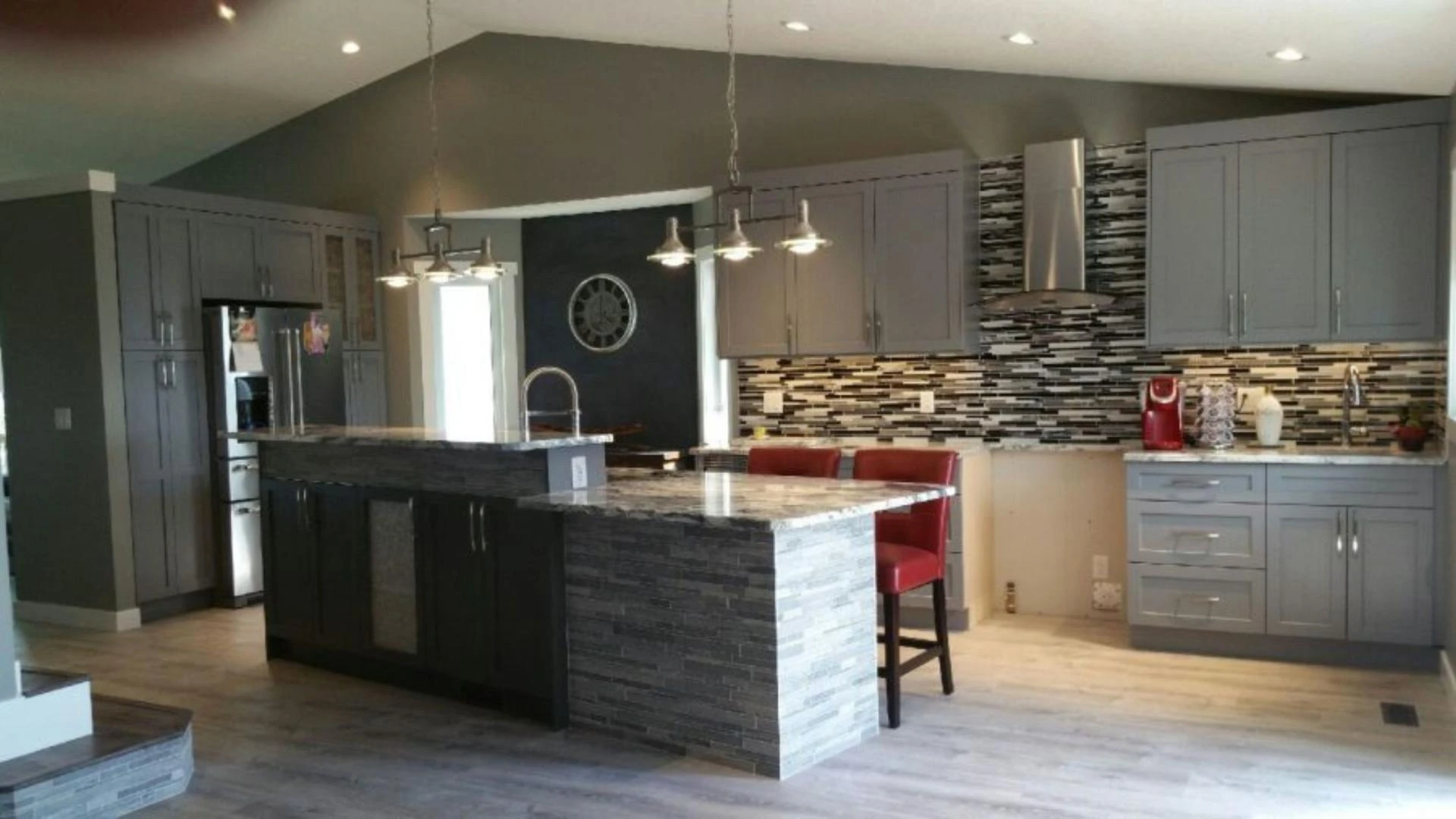
Colour as Spatial Intelligence
Cabinet colour choices are often treated as purely stylistic expressions. However, colour increasingly functions as a spatial strategy rather than decoration.
The growing emphasis on embrace colour within cabinetry reflects a broader psychological shift. In Calgary’s climate, where winter daylight can be limited, interior environments play an important role in influencing mood and perceived warmth.
Subtle colour integration within the best custom kitchen cabinets can reshape how a kitchen feels without altering its structure. Deeper tones anchor large spaces, while muted natural hues soften contemporary interiors.
Equally important is restraint. The most sophisticated examples of custom kitchen cabinets design treat colour as a compositional tool rather than a statement. Balanced palettes allow cabinetry to enhance architectural rhythm without overwhelming the room.
Controlled Futurism: Cabinets as Adaptive Infrastructure
Looking ahead, cabinetry is likely to evolve from static furniture into adaptive infrastructure. Early signals already point in this direction.
Emerging design approaches anticipate technological integration and evolving household dynamics without relying on visible gadgets. Cabinets are being designed with modular interior systems that allow storage configurations to change without structural modification.
Future iterations of the best custom kitchen cabinets may incorporate:
• Integrated charging zones concealed within drawer systems
• Sensor-based interior lighting that responds to usage patterns
• Modular shelving that can adapt to changing appliance ecosystems
None of these developments require dramatic aesthetic shifts. Instead, they signal a gradual transformation in how custom kitchen cabinets design anticipates future functionality. The goal is longevity through adaptability rather than novelty.
The Takeaway
Cabinetry has moved far beyond its historical role as background storage. In Calgary’s evolving housing landscape, kitchen cabinets are becoming structural instruments that shape efficiency, architectural harmony, and long-term residential adaptability.
Understanding this shift requires moving past surface-level discussions about style trends. The best custom kitchen cabinets are not defined by decorative flourishes but by how intelligently they integrate behaviour, architecture, and operational resilience.
Within this context, Crown Custom Cabinetry Inc custom kitchen cabinets design represents a form of spatial strategy. When approached with architectural awareness and behavioural insight, cabinetry becomes less about furniture and more about infrastructure. Quietly, almost invisibly, it determines whether kitchens remain functional and relevant long after the renovation dust has settled.


























Sign in to leave a comment.