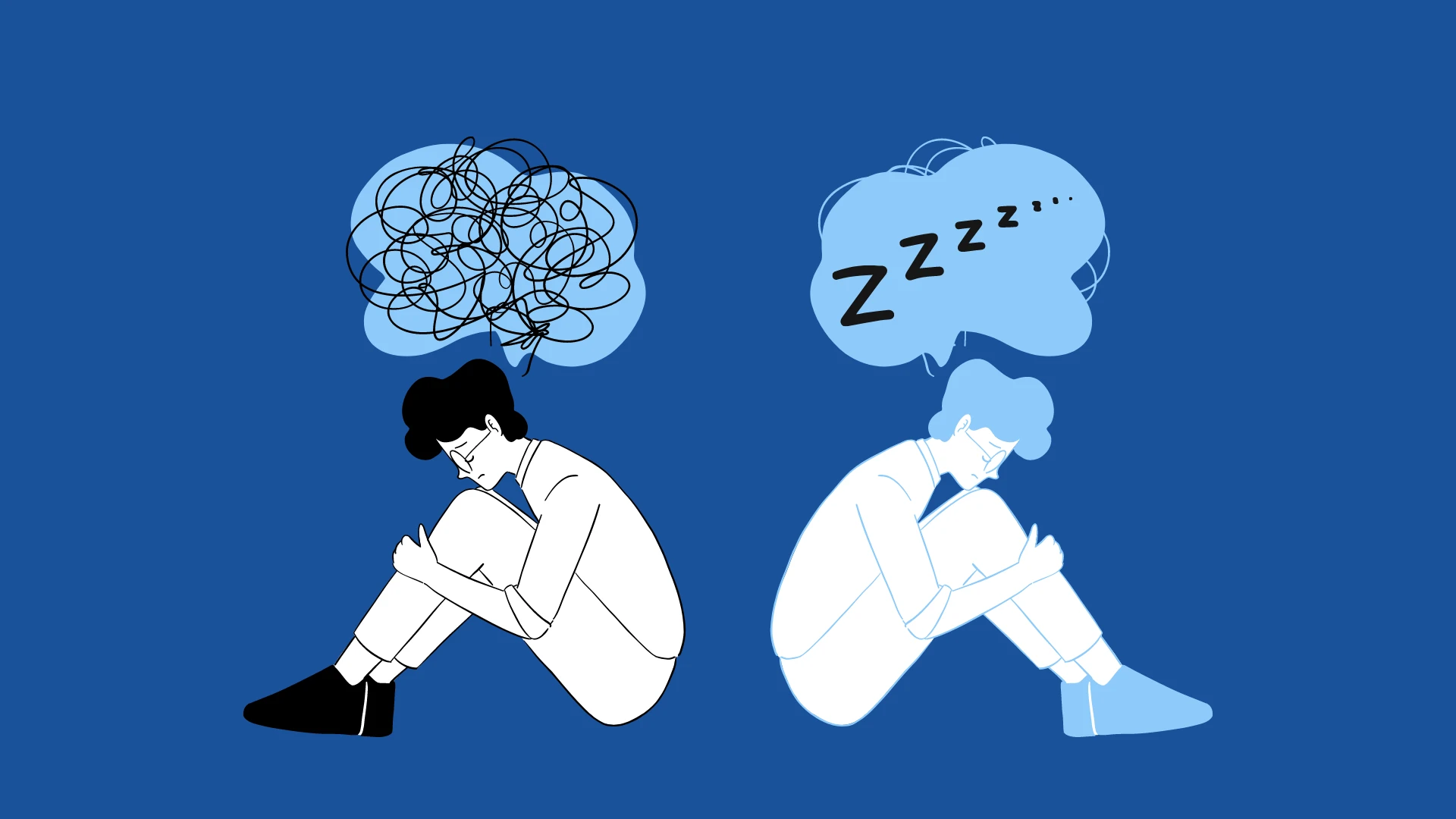

Insomnia, characterized by difficulty falling asleep, staying asleep, or achieving restorative sleep, is a common sleep disorder affecting millions of people worldwide. It can have a significant impact on physical health, mental well-being, and overall quality of life. In this article, we will delve into the various aspects of insomnia, its causes, effects, and strategies for managing and overcoming it.
Understanding Insomnia:
Insomnia is more than just a few sleepless nights; it is a persistent condition that disrupts the body\'s natural sleep-wake cycle. There are two primary types of insomnia: acute insomnia, which lasts for a short period and is often triggered by stress or life events, and chronic insomnia, which persists for at least three nights a week for three months or more.
Causes of Insomnia:
Insomnia can be caused by a variety of factors, including stress, anxiety, depression, medical conditions, medications, caffeine consumption, and poor sleep habits. Certain lifestyle factors, such as irregular sleep schedules, excessive screen time before bed, and a disruptive sleep environment, can also contribute to insomnia.
Effects of Insomnia:
The effects of insomnia extend beyond mere sleepiness during the day. Chronic sleep deprivation can lead to a host of health problems, including increased risk of heart disease, diabetes, obesity, and mental health disorders such as depression and anxiety. Insomnia can also impair cognitive function, memory, and decision-making abilities, negatively impacting performance at work, school, and daily activities.
Managing Insomnia:
Managing insomnia often requires a multifaceted approach that addresses both the underlying causes and symptoms of the disorder. Behavioral interventions, such as cognitive-behavioral therapy for insomnia (CBT-I), can help individuals develop healthy sleep habits and address negative thought patterns and behaviors that contribute to sleep disturbances.
In addition to behavioral interventions, pharmacological treatments such as sleep medications may be prescribed for short-term relief of insomnia symptoms. However, these medications carry the risk of dependence and side effects, making them unsuitable for long-term use.
Natural Remedies and Lifestyle Changes:
Many individuals prefer to explore natural remedies and lifestyle changes to manage insomnia. These may include relaxation techniques such as deep breathing, meditation, and progressive muscle relaxation, as well as creating a comfortable sleep environment conducive to restful sleep.
Other lifestyle changes that can improve sleep quality include establishing a consistent sleep schedule, limiting caffeine and alcohol intake, exercising regularly, and avoiding stimulating activities before bedtime. Dietary supplements such as melatonin, valerian root, and magnesium may also help some individuals achieve better sleep.
Seeking Professional Help:
If insomnia persists despite self-care measures and lifestyle changes, it\'s essential to seek professional help from a healthcare provider or sleep specialist. A comprehensive evaluation can help identify any underlying medical or psychological conditions contributing to insomnia and guide the development of an individualized treatment plan.
In summary:
Insomnia is a common sleep disorder that can have a profound impact on physical health, mental well-being, and overall quality of life. By understanding the causes, effects, and management strategies for insomnia, individuals can take proactive steps to improve their sleep and regain control over their lives. Whether through behavioral interventions, pharmacological treatments, or natural remedies, there are many options available for battling insomnia and achieving restful, rejuvenating sleep.










Sign in to leave a comment.