
Inspections have always been the backbone of quality control, safety compliance, and operational reliability. Whether it's a manufacturing plant checking equipment integrity, a construction site verifying structural safety, or a retail chain auditing store conditions, inspections generate the evidence that keeps organizations accountable. Yet for decades, most of this critical work has lived on clipboards, spreadsheets, and scattered email threads. The result has been lost data, missed deadlines, and inspectors spending more time on paperwork than on the actual inspection itself.
This is where inspection management software changes the equation. Instead of treating inspections as isolated, paper-heavy events, modern software turns them into a connected, data-driven process. Every checklist, photo, signature, and corrective action becomes part of a searchable digital record that managers can access instantly. As industries face tighter regulations and higher expectations around transparency, the shift from manual to digital inspection processes is no longer optional; it is becoming the standard way of doing business.
What Is Inspection Management Software?
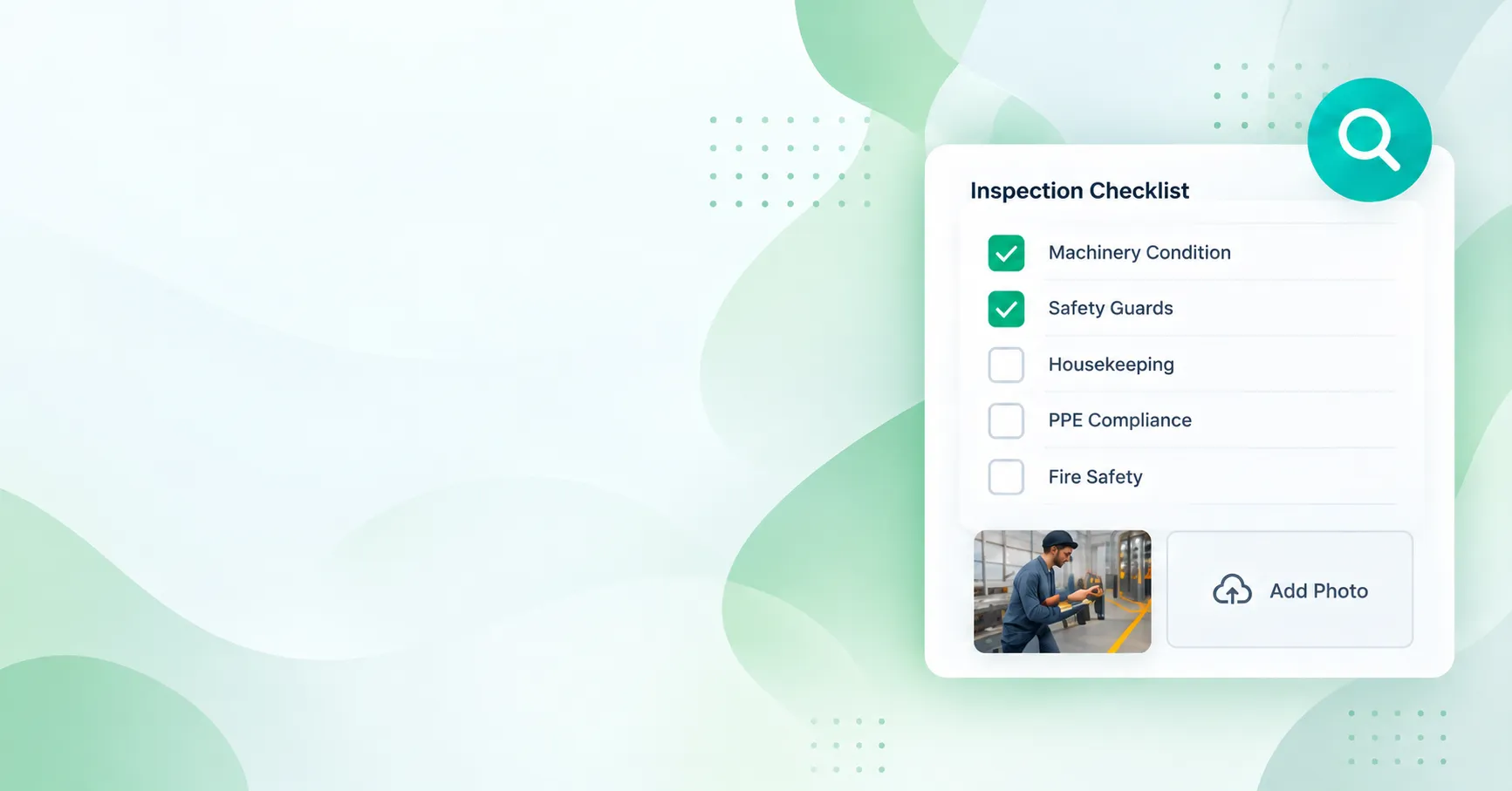
At its core, inspection management software is a digital platform that helps organizations plan, conduct, track, and analyze inspections across their operations. It replaces paper forms and disconnected spreadsheets with structured digital checklists that can be filled out on a phone, tablet, or laptop, even in locations with no internet connection. Once an inspection is submitted, the data flows automatically into a central dashboard where supervisors can review findings, assign corrective actions, and generate reports without chasing down paper files.
What makes this category of software valuable is not just digitization for its own sake. It is the way these platforms connect the dots between inspection findings and business outcomes. A failed inspection item does not just sit in a file; it can trigger an automatic notification, create a task for the maintenance team, and feed into a trend report that shows whether a particular piece of equipment keeps failing the same check month after month. That kind of visibility is nearly impossible to achieve with paper-based methods, no matter how organized a team tries to be.
The Rise of the Inspection Management System
As organizations scale, a single spreadsheet or shared folder quickly becomes unmanageable. This is why many companies eventually move toward a full inspection management system rather than a simple digital form tool. The difference matters. A basic digital checklist app might let you record answers on a screen instead of paper, but a complete inspection management system goes further by tying together scheduling, workflow automation, audit trails, and reporting into one cohesive platform.
An inspection management system typically allows administrators to build custom checklists for different departments, assign recurring inspection schedules automatically, and route flagged issues to the right person without manual follow-up. It also keeps a permanent, timestamped record of every inspection ever conducted, which becomes invaluable during audits or legal reviews. When a regulator or client asks for proof that a piece of equipment was inspected on a specific date, having that record available in seconds rather than days can make a significant difference in how an organization is perceived.
Beyond compliance, these systems also support continuous improvement. Because every inspection result is stored in a structured format, managers can look back over months or years of data to identify patterns. Maybe a certain machine on the production line consistently underperforms in the same category, or maybe one location in a multi-site retail chain repeatedly struggles with the same maintenance issue. An inspection management system turns these patterns from anecdotes into measurable insights that leadership can act on with confidence.
Why Safety Inspection Software Deserves Special Attention
While inspection software applies broadly across industries, safety-related inspections carry a different level of weight. A missed inspection on a piece of safety equipment or an overlooked hazard on a job site is not just an operational inconvenience; it can result in injury, regulatory penalties, or worse. This is why safety inspection software has become such a critical investment for industries like construction, oil and gas, manufacturing, and logistics.
Safety inspection software is built around the idea that hazards need to be identified and resolved as quickly as possible, not documented after the fact. Field workers can flag a hazard the moment they see it, attach a photo for context, and have that alert routed immediately to a safety manager. Instead of waiting for a weekly safety meeting to surface an issue, the team can respond within minutes. This immediacy is one of the biggest advantages digital tools bring to workplace safety, and it is a major reason why safety incidents tend to decline after organizations move away from paper-based safety checks.
Another important feature of safety inspection software is its ability to standardize how hazards are assessed across an entire organization. When every site uses the same digital checklist, built around recognized safety standards, there is far less room for inconsistency between locations or shifts. This consistency is especially valuable for organizations with multiple sites spread across different regions, where local habits and shortcuts can otherwise creep into how safety checks are performed. A unified platform ensures that a hazard flagged in one location is treated with the same urgency and documentation as one flagged anywhere else in the company.
The Growing Importance of EHS Inspection Software
Closely related to safety inspection tools, but broader in scope, is EHS inspection software, which stands for Environmental, Health, and Safety. While safety inspection software often focuses narrowly on workplace hazards, EHS inspection software expands the lens to include environmental compliance, employee health monitoring, waste management, and regulatory reporting obligations. For organizations operating in heavily regulated industries such as chemicals, energy, or manufacturing, this broader scope is essential.
EHS inspection software typically integrates environmental compliance checks, such as emissions monitoring or hazardous waste disposal verification, alongside traditional safety inspections. This integration matters because environmental and safety risks are often intertwined. A leaking chemical container, for example, is simultaneously an environmental hazard and a safety risk to nearby workers. Handling these concerns through separate, disconnected systems creates gaps where issues can fall through the cracks. A unified EHS inspection software platform closes those gaps by treating environmental and safety data as part of the same continuous monitoring process.
Regulatory reporting is another area where EHS inspection software proves its worth. Many industries are required to submit detailed compliance reports to government agencies on a recurring basis. Compiling these reports manually from paper records or fragmented spreadsheets can take days of administrative work. With a digital EHS platform, much of this reporting can be automated, pulling directly from the inspection data that has already been collected in the field. This not only saves time but also reduces the risk of reporting errors that could result in fines or legal exposure.
Key Benefits Organizations Experience After Adoption
Organizations that transition to inspection management software tend to notice improvements in several areas relatively quickly. The most immediate benefit is usually time savings. Inspectors spend less time filling out forms and more time actually observing and assessing conditions. Supervisors spend less time chasing paperwork and more time addressing the issues that inspections actually reveal.
Data accuracy also improves substantially. Paper forms are prone to illegible handwriting, missing signatures, and forms that simply get lost before they reach the office. Digital inspections eliminate most of these problems by requiring fields to be completed before submission and by storing every record in a centralized, searchable database. This accuracy becomes especially important during audits, when incomplete or inconsistent records can raise red flags even when the underlying work was done correctly.
Accountability tends to increase as well. When every inspection is timestamped, geotagged, and tied to a specific user, it becomes much harder for inspections to be skipped or backdated. This transparency benefits both the organization and the individual inspectors, since it protects workers who did their job correctly while making it easier to identify process gaps when something does go wrong.
Finally, many organizations report better decision-making once they have consistent, structured inspection data to work with. Instead of relying on gut feeling or anecdotal reports from the field, leadership can look at real trends across equipment, locations, and time periods. This shift toward data-driven decision-making often leads to smarter maintenance schedules, more targeted safety training, and better allocation of resources overall.
Choosing the Right Platform for Your Organization
With so many options on the market, selecting the right inspection management software requires thinking carefully about your organization's specific needs. A small business with a single location may need something lightweight and simple, while a multinational manufacturer will likely need a robust inspection management system capable of handling thousands of inspections across dozens of sites. Industries with heightened safety or environmental obligations should pay particular attention to whether a platform offers dedicated safety inspection software or EHS inspection software capabilities, rather than a generic checklist tool retrofitted for compliance use.
It is also worth considering how well a platform integrates with existing tools, such as maintenance management systems or human resources software, since inspection data rarely exists in isolation from the rest of the organization's operations. The best platforms are the ones that fit naturally into existing workflows rather than forcing teams to change how they work just to accommodate the software.
Final Thoughts
The shift toward digital inspections reflects a broader change in how organizations think about risk, compliance, and operational excellence. Paper-based processes may have worked in simpler times, but today's regulatory environment and business expectations demand something more reliable. Inspection management software, whether deployed as a full inspection management system, a dedicated safety inspection software solution, or a comprehensive EHS inspection software platform, gives organizations the tools they need to catch problems early, prove compliance easily, and build a culture where safety and quality are supported by real data rather than good intentions alone.























Sign in to leave a comment.