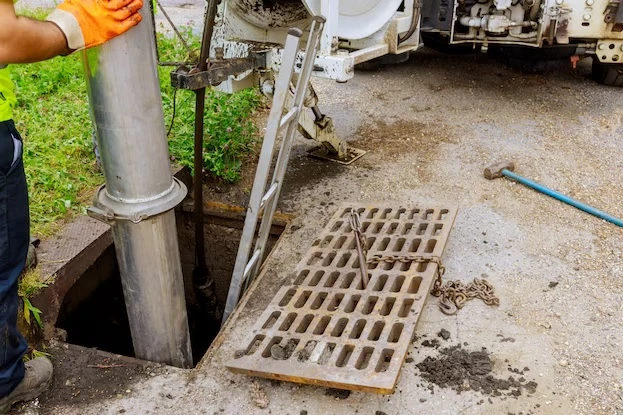

A wet, waterlogged lawn can be a nightmare for homeowners. Leaks and water pooling can damage grass, plants, and even your home’s foundation. Installing a proper drainage system is the best way to manage excess rainwater. A well-designed system safely channels water away, preventing long-term damage. In this guide, we will explore rainwater drainage, the installation process, common mistakes, and how to choose the right professional.
Understanding Rainwater Drainage
Rainwater drainage is more than just digging a trench. It is a system designed to direct excess water away from your lawn and property. Pipes, drains, and catch basins work together to prevent waterlogging. Proper drainage keeps your lawn healthy and protects your home. A well-installed system also reduces mosquito breeding and soil erosion.
The main components of rainwater drainage include surface drains, underground pipes, and discharge points. Surface drains collect water from driveways and lawns. Underground pipes transport water to a safe outlet. The outlet could be a garden pond, soakaway, or municipal drain.
Benefits of Installing a Rainwater Drainage System
Installing a rainwater drainage system brings multiple benefits. First, it prevents water pooling, keeping your lawn dry and usable. Second, it protects plant roots from rotting due to standing water. Third, it reduces soil erosion and prevents foundation damage.
A well-planned system also enhances the appearance of your lawn. Your landscape will stay neat even during heavy rainfall. Lastly, proper drainage lowers maintenance costs. You spend less time fixing water damage and repairing soggy lawns.
How Rainwater Drainage Works
The system works by collecting, transporting, and discharging excess water. Water from your lawn or driveway enters catch basins. These basins filter debris and direct water into underground pipes. The pipes carry water to a discharge point away from your home.
Flow control is a key aspect. Systems are designed with a slope to ensure water moves efficiently. A poorly installed slope can cause blockages or water backflow. This is why hiring a reliable drainage company is essential.
Installing a Rainwater Drainage System
The installation process begins with a site survey. Professionals evaluate your lawn’s slope, soil type, and water flow patterns. They then create a plan that includes pipe layout, catch basins, and outlet points.
Next is trenching. Trenches are dug along the planned route. Pipes are laid with the correct gradient. Catch basins and other fittings are installed at strategic points. Finally, the trenches are backfilled, and the lawn is restored.
Key materials include perforated pipes, PVC connectors, gravel for drainage beds, and catch basins. Using high-quality materials ensures durability and reduces maintenance issues.
Common Mistakes and How to Avoid Them
Homeowners often make mistakes that compromise drainage systems. One standard error is the incorrect pipe slope. Too shallow, and water pools; too steep, and it flows too fast, causing erosion.
Another mistake is ignoring debris. Leaves and dirt can block pipes and basins. Installing mesh filters and regular cleaning prevent this problem.
DIY installations without proper planning also fail frequently. Improperly located outlets or insufficient pipe diameters lead to water backup. Hiring a professional drainage company prevents these issues.
Key Features of a Good Drainage System
A reliable rainwater drainage system has several key features. Perforated pipes allow water to enter efficiently. A proper gradient ensures smooth water flow. Catch basins prevent clogs, and a safe discharge point prevents property damage.
Flexibility is also essential. Some systems allow extensions or modifications. This is useful if you plan landscaping changes in the future. High-quality materials, such as durable PVC or polyethene pipes, extend the system’s lifespan.
How to Fix Drainage Problems
If your drainage system is not working correctly, quick action is essential. First, inspect catch basins for blockages. Remove leaves and debris. Check pipes for damage or misalignment.
For minor slope issues, adjusting pipe angles or adding gravel may help. If the problem persists, a professional drainage company in London can use cameras or advanced tools to locate hidden blockages. Regular maintenance keeps the system efficient for years.
Choosing the Right Drainage Company
Selecting the best drainage company is critical. Start by checking experience and customer reviews. Ask for references and examples of previous projects. Ensure the company uses high-quality materials and follows proper installation practices.
A good drainage company in London should provide a clear plan, cost estimate, and timeline. Confirm whether they offer after-installation support and maintenance. Avoid companies that cut corners or provide vague information.
Questions to ask professionals:
- What is the recommended pipe diameter and material?
- How do you handle debris and blockage prevention?
- What is the slope of the drainage pipes?
- Are there warranties on materials and labour?
- Can the system be expanded if the lawn layout changes?
Key Aspects of a Professional Drainage Company
Top-notch companies focus on proper planning, durable materials, and expert installation. They evaluate soil type, lawn gradient, and water flow before starting. They follow safety standards and ensure minimal disruption to your property.
A professional also provides guidance on maintenance. Regular checks, cleaning, and minor repairs keep the system efficient. Choosing a certified drainage company in London ensures peace of mind and long-lasting results.
Details to Know Before Installation
Before starting, consider your lawn’s layout and natural drainage paths. Identify low spots where water collects. Decide on the type of discharge: soakaway, pond, or municipal drain.
Estimate your budget and compare quotes from multiple companies. Understand the maintenance requirements and expected lifespan of materials. Proper planning avoids costly mistakes later.
Conclusion
Installing a rainwater drainage system is essential for a healthy, water-free lawn. It prevents damage, promotes plant growth, and protects your home’s foundation. A well-designed system collects water efficiently and transports it to safe discharge points. Avoid common mistakes by using quality materials, proper slope, and debris protection. Hire a reliable drainage company for planning, installation, and maintenance. Ask questions, compare companies, and ensure professional expertise.

























Sign in to leave a comment.