
Old homes have an undeniable charm, but they often come with challenges, especially when it comes to insulation. Aging buildings frequently lack the modern materials and techniques that keep today's homes energy-efficient and comfortable year-round. If you live in or are considering purchasing an older property, understanding the best insulation solutions for older homes is critical for saving energy, improving comfort, and preserving the building's integrity.
Why Insulation Matters for Older Homes
Older homes typically suffer from drafts, uneven temperatures, and high energy bills due to poor or outdated insulation. Without proper insulation, your heating and cooling systems must work harder, leading to unnecessary expenses and a larger carbon footprint. Upgrading insulation is an investment that not only improves energy efficiency but also enhances the overall living experience in your home.
Common Challenges with Insulating Older Homes
Historic Preservation Requirements
Many older homes have unique architectural features that require preservation. Finding insulation solutions that maintain the home’s aesthetic while meeting modern energy needs can be challenging.
Limited Space in Walls
Unlike modern construction, older homes may have thinner walls or no space for insulation at all. This limitation necessitates innovative approaches such as external insulation or spray foam.
Moisture and Ventilation Issues
Improper insulation can trap moisture, leading to mold growth or structural damage. Older homes often lack adequate ventilation systems, making moisture control even more critical.
Key Considerations Before Choosing Insulation Solutions
Evaluate the Home’s Current Insulation
A professional energy audit can identify areas of heat loss, such as uninsulated walls, attics, or floors. Understanding the weak points allows you to prioritize upgrades effectively.
Understand the Building’s Materials
Older homes were built with materials that respond differently to modern insulation techniques. Working with contractors experienced in older properties ensures that the right methods and materials are used.
Balance Energy Efficiency and Preservation
If your home is historically significant, look for insulation options that enhance performance without compromising its authenticity.
Best Insulation Solutions for Older Homes
Attic Insulation
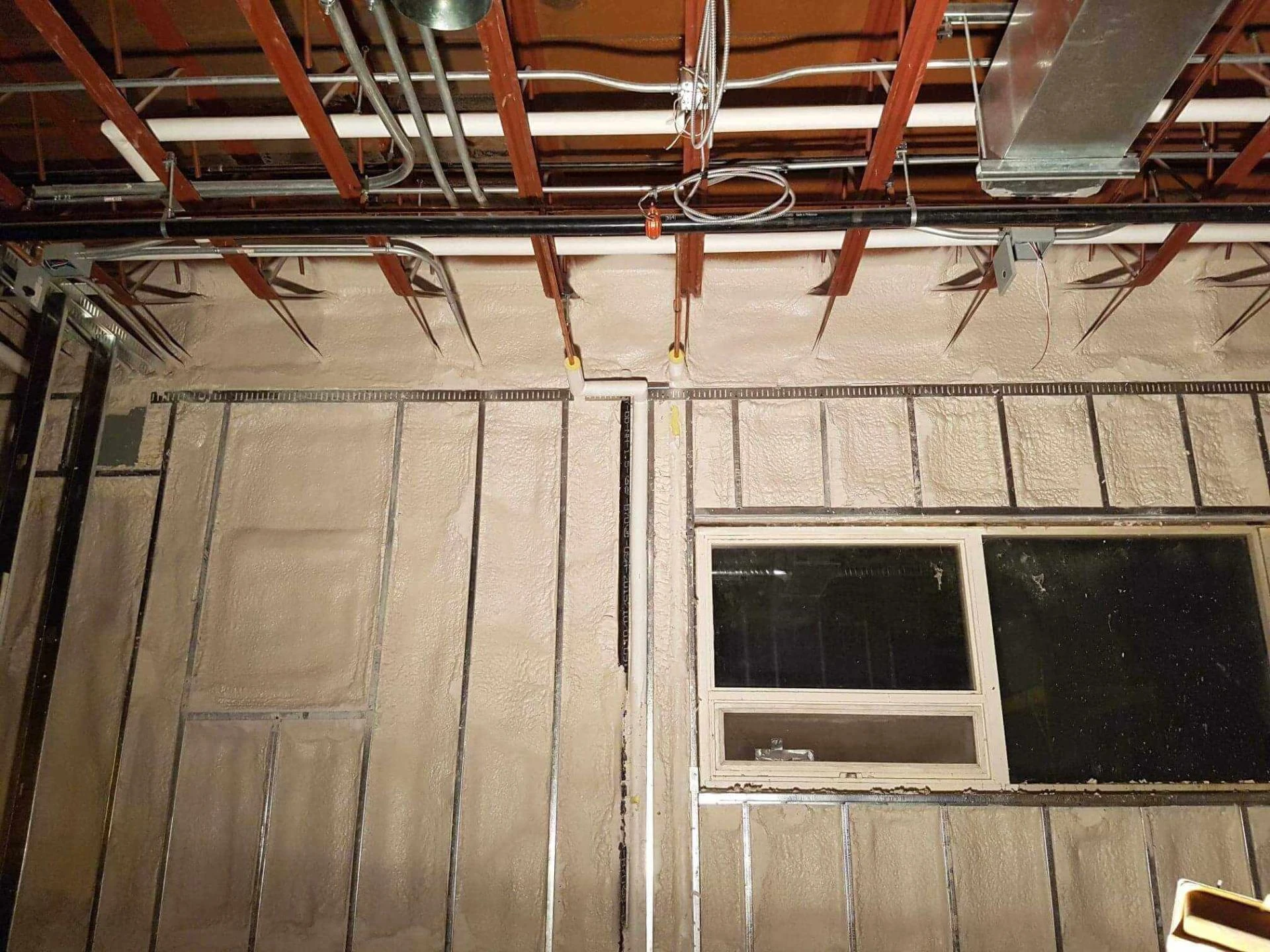
The attic is often the biggest source of heat loss in older homes. Adding blown-in cellulose or fiberglass batts can dramatically reduce energy loss while being cost-effective. For a comprehensive solution, consider spray foam insulation, which also seals air leaks.
Wall Insulation
If your home’s walls lack insulation, injection foam or blown-in cellulose are excellent choices for retrofitting. These options fill gaps without requiring extensive renovation.
Floor Insulation
Uninsulated floors, particularly over crawlspaces, can lead to cold drafts and energy loss. Installing rigid foam boards or spray foam insulation in the floor joists helps maintain comfortable indoor temperatures.
Window and Door Insulation
Older homes often have single-pane windows and drafty doors. Upgrading to double- or triple-pane windows, or adding storm windows, significantly improves insulation. For doors, weatherstripping and door sweeps are quick, affordable fixes.
External Insulation
If internal insulation isn’t feasible due to space constraints, external solutions like insulated siding or rigid foam boards can be applied to the home’s exterior. This method also boosts weather resistance.
Benefits of Proper Insulation in Older Homes
- Energy Savings: A well-insulated home reduces heating and cooling costs by up to 50%.
- Enhanced Comfort: Say goodbye to cold spots, drafts, and temperature inconsistencies.
- Preservation of Structural Integrity: Proper insulation prevents moisture-related issues like mold and wood rot.
- Increased Property Value: Energy-efficient homes attract buyers and command higher resale prices.
Maintaining the Charm of Older Homes with Modern Insulation
While it’s essential to upgrade insulation, preserving the charm of an older home is equally important. Here are some tips:
- Use Period-Appropriate Materials: For visible areas, use materials like natural fiber insulation that align with the home’s era.
- Focus on Hidden Areas: Prioritize insulation in attics, crawlspaces, and behind walls to maintain aesthetic integrity.
- Work with Experts: Contractors with experience in historic homes can provide tailored solutions.
DIY vs. Professional Installation: What to Know
DIY Insulation:
- Ideal for small projects like sealing cracks or adding weatherstripping.
- Affordable but requires careful research and proper tools.
Professional Installation:
- Necessary for large-scale projects like wall or attic insulation.
- Ensures adherence to building codes and historic preservation requirements.
Conclusion
Insulating an older home is a rewarding project that combines energy efficiency, comfort, and respect for architectural heritage. By carefully evaluating your home’s needs and choosing the right solutions, you can preserve its charm while bringing it up to modern standards. Work with experienced professionals, prioritize areas of high energy loss, and enjoy the lasting benefits of a well-insulated home.




Sign in to leave a comment.