
Integrated Pest Management (IPM) is becoming an essential approach in modern agriculture as farmers seek more sustainable and environmentally responsible ways to protect crops. Instead of relying heavily on chemical pesticides, IPM combines multiple strategies to manage pests effectively while minimizing harm to the environment, soil health, and beneficial organisms.
As sustainable farming practices continue to grow across Canada and around the world, IPM is helping farmers maintain strong yields while reducing long-term agricultural risks.
What Is Integrated Pest Management?
Integrated Pest Management is a holistic approach to pest control that combines biological, cultural, mechanical, and chemical methods to manage pest populations efficiently.
The goal of IPM is not to eliminate every pest completely, but to keep pest levels below economically damaging thresholds while maintaining ecological balance.
Why IPM Matters in Modern Agriculture
Traditional pesticide-heavy farming can lead to several challenges:
- Pest resistance over time
- Soil and water contamination
- Harm to beneficial insects
- Increased production costs
IPM provides a more balanced and sustainable solution by focusing on prevention, monitoring, and targeted action.
Key Methods Used in IPM
Biological Control
Biological control uses natural predators, parasites, or beneficial organisms to manage harmful pests.
Examples include:
- Ladybugs controlling aphids
- Predatory mites reducing insect populations
- Beneficial fungi suppressing soil-borne diseases
This method reduces dependency on synthetic pesticides.
Crop Rotation
Rotating crops each season disrupts pest life cycles and reduces disease buildup in the soil.
Benefits:
- Lower pest pressure
- Improved soil fertility
- Reduced disease outbreaks
Crop rotation is one of the oldest and most effective IPM practices.
Monitoring and Scouting
Regular monitoring helps farmers detect pest issues early and respond before damage becomes severe.
Modern monitoring methods include:
- Field scouting
- Traps and sensors
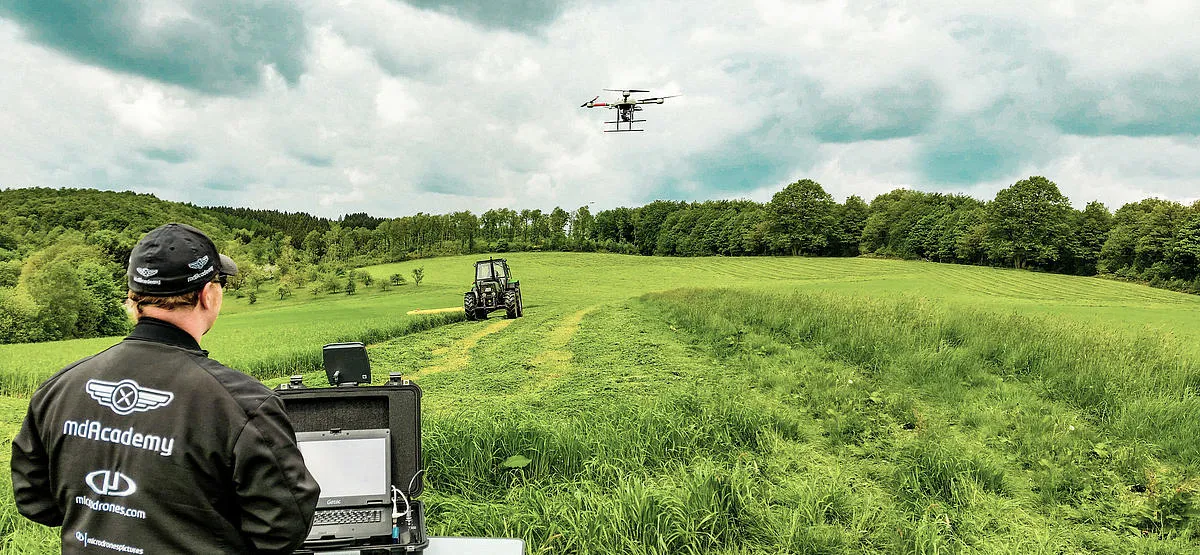
- Drone imaging
- Data analytics tools
Accurate monitoring prevents unnecessary pesticide applications.
IPM in Action


Benefits of Integrated Pest Management
Reduced Chemical Use
IPM minimizes reliance on chemical pesticides, lowering environmental impact and reducing input costs.
Improved Crop Health
Balanced pest management supports healthier plants and stronger yields.
Better Soil and Ecosystem Health
Reducing excessive chemical use helps preserve beneficial soil organisms and biodiversity.
Long-Term Sustainability
IPM supports resilient farming systems that remain productive over time.
The Role of Eco-Friendly Agricultural Solutions
Modern IPM systems are becoming more effective with the help of innovative agricultural technologies and natural crop inputs. Eco-friendly solutions from AgTek360 support IPM strategies by improving soil health, strengthening plant resilience, and enhancing natural pest resistance.
These solutions help farmers:
- Improve nutrient efficiency
- Support beneficial microbial activity
- Reduce crop stress
- Enhance overall plant health
Learn more about sustainable agriculture solutions:
https://agtek360.com/
Technology and IPM
Technology is playing an increasingly important role in integrated pest management. Farmers now use:
- Smart sensors
- AI-driven analytics
- Satellite imaging
- Precision agriculture tools
These innovations allow for more accurate pest detection and targeted interventions.
Challenges in Implementing IPM
Although IPM offers many advantages, successful implementation requires:
- Regular monitoring
- Knowledge of pest life cycles
- Proper planning and management
However, the long-term benefits make IPM one of the most valuable approaches in sustainable farming.
The Future of Pest Management
The future of agriculture is moving toward more sustainable and biologically balanced systems. Integrated Pest Management will continue to evolve with advancements in:
- Biological crop protection
- Smart farming technologies
- Precision agriculture
- Eco-friendly agricultural inputs
Farmers who adopt IPM strategies will be better equipped to manage pests while protecting soil health and the environment.
Conclusion
Integrated Pest Management is essential for sustainable agriculture. By combining biological control, crop rotation, and advanced monitoring techniques, farmers can reduce chemical use while improving crop health and long-term productivity.
With support from eco-friendly solutions developed by AgTek360, IPM becomes an even more powerful strategy for building resilient and environmentally responsible farming systems.
Sustainable pest management is not just about controlling pests—it’s about creating healthier farms for the future.


























Sign in to leave a comment.