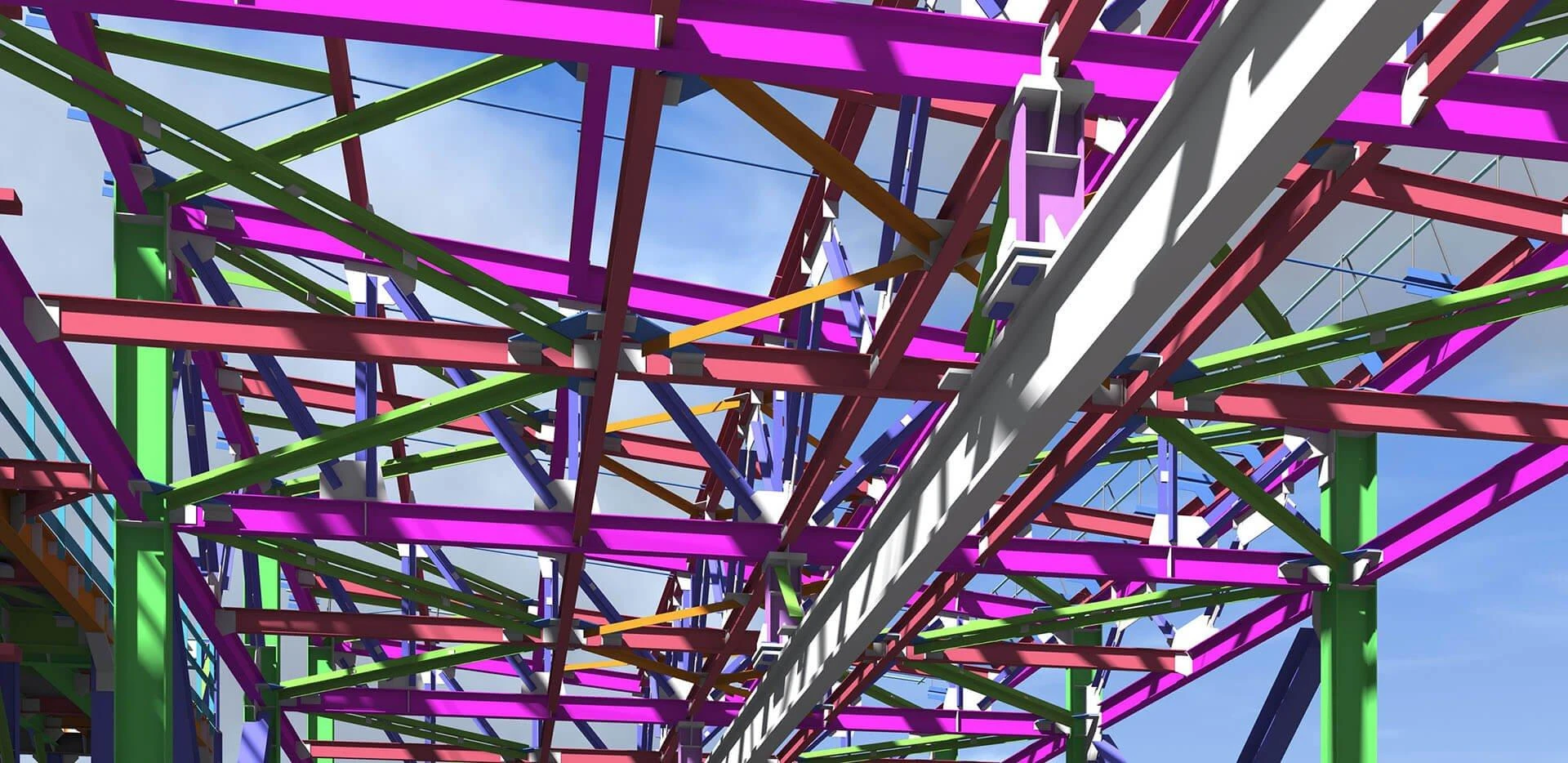

Building information modeling (BIM) is a virtual representation of a facility's functional and physical attributes. A BIM model is a shared insight and a valuable resource for information about a facility, providing a solid basis for decisions made throughout the facility's lifecycle. This definition appears to be shared by the rest of the development industry worldwide. BIM, as previously said, goes beyond mere geometry. It also considers spatial relationships, light analysis, geographic records, and segments and attributes of building additives.
BIM Techniques A Turning Point In Industry
Building information modeling, or BIM techniques, has had a significant impact and marked a turning point in the development of the construction sector. The introduction of BIM technology has changed design workflows, and both the architecture and MEP (mechanical, engineering, and plumbing) industries have had to adapt to new design process trends.
Building engineers and architects typically use various design and documentation methods. These procedures have been improved and integrated by adopting BIM modeling facilitated by a BIM design engineer.
MEP Integration In Construction Plan
The conventional ways of turning a 2D design from an MEP designer into a coordinated 3D model by the contractor are losing favor in the MEP design industry. Instead, this development is primarily the result of BIM modeling, explained below.
In construction, most engineering work uses data from architectural designs, such as column grids for structural design or ceiling plans for MEP design. Building engineers then employ architectural information, like building geometry, as input for structural load, heating, and cooling load analysis. The conclusions drawn from this analysis are then used to determine the necessary sizing of components, including structural units, heating systems, and cooling systems. For example, the number and characteristics of structural joints and MEP distribution systems are determined to assess loads and size connections, structural frame elements, ductwork, and piping.
In other instances, architects might have to forgo designed areas to incorporate MEP components. At this time, it would be necessary to alter the design layout while keeping the building's engineering systems in place.
MEP can be incorporated into the construction plans early thanks to coordinated 3D models. Consequently, a workflow based on 3D models has become a practical choice. In the field of MEP design, models created with CAD provide several benefits, including the following:
According to studies, 3D CAD technologies shorten the development period by 30 to 50%.By using a 3D model, non-conformance problems are reduced by 30–40%.Fewer errors are produced through 3D-based design.Therefore, using 3D CAD models saves time and money and minimizes errors.To Conclude
Due to continued technical advancements, integrated architectural and MEP workflows are progressively gaining popularity in the building design community. Using the IFC standard guiding principles, architects, BIM design engineers, and MEP engineers can coordinate and share projects while referencing information from other disciplines. In conclusion, successful building information modeling and initial MEP analysis data collection can assist architects in designing an integrated project. Moreover, that can be carried out in a smooth construction process.

























Sign in to leave a comment.