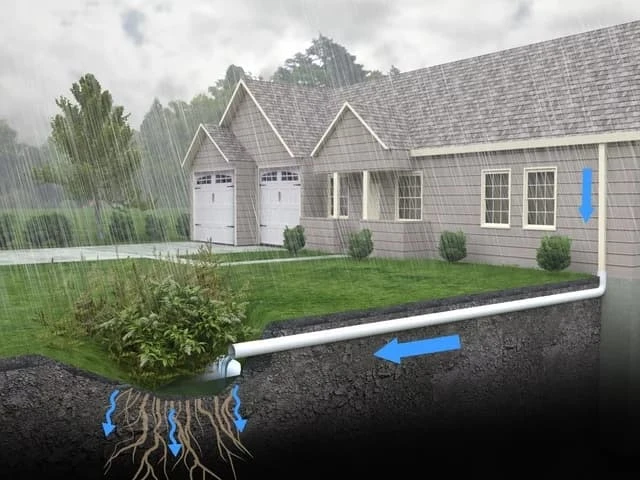

In the contemporary landscape of urban development, the integration of Sustainable Urban Drainage Systems (SUDS) has emerged as a pivotal component in formulating a comprehensive sustainable drainage strategy. As cities grapple with increasing rainfall and the consequential risk of flooding, SUDS offer innovative solutions that not only mitigate water runoff but also enhance the urban environment. This article delves into the significance of SUDS, their various applications, and how they can be seamlessly integrated into a sustainable drainage strategy.
Understanding Sustainable Urban Drainage Systems (SUDS)
Sustainable Urban Drainage Systems are designed to manage surface water in a manner that mimics natural processes. Unlike traditional drainage systems that often lead to rapid water runoff, SUDS emphasize the importance of managing water at its source. This approach not only reduces the volume and frequency of surface water but also improves water quality by filtering pollutants before they reach water bodies.
The core components of SUDS include techniques such as permeable paving, green roofs, swales, and retention ponds. These elements work in unison to slow down water flow, promote infiltration, and enhance evaporation, ultimately leading to a more resilient urban infrastructure. A well-implemented SUDS can significantly lower the risks of flooding, which is becoming increasingly pertinent in the face of climate change.
The Importance of Integrating SUDS into Urban Planning
Integrating SUDS into urban planning is not merely an optional enhancement; it is a critical necessity for sustainable development. As urban areas expand, the natural landscape is increasingly replaced with impermeable surfaces, leading to heightened runoff and pollution. By adopting SUDS, cities can counteract these adverse effects, creating a more harmonious relationship between urban development and the environment.
Moreover, the integration of SUDS can foster biodiversity within urban settings. Features like rain gardens and green roofs not only manage water but also provide habitats for various species, contributing to the ecological health of urban areas. This biodiversity is vital for maintaining ecosystem services such as pollination and pest control, which are essential for food security and overall urban resilience.
The economic implications of incorporating SUDS into a sustainable drainage strategy are substantial. While initial investments may be higher, the long-term benefits—including reduced flooding-related damages, improved water quality, and enhanced property values—far outweigh these costs. Additionally, with increasing regulatory pressures for sustainable practices, the adoption of SUDS can position municipalities and developers favorably, aligning with both policy frameworks and public expectations.
Key Considerations for SUDS Implementation
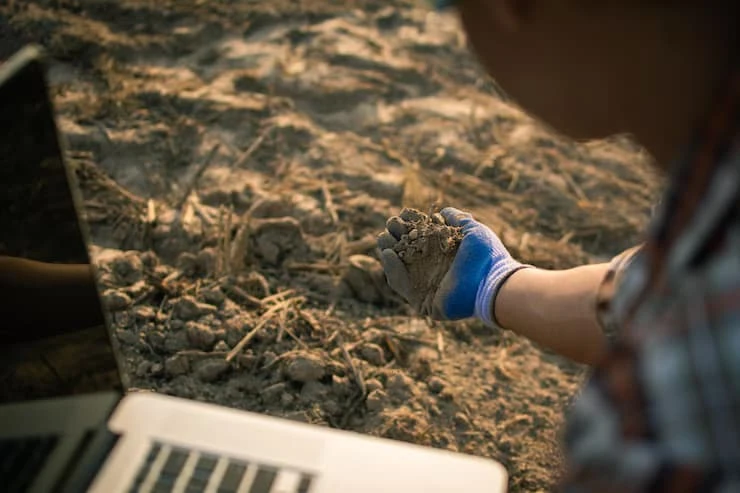
When embarking on the integration of SUDS within a sustainable drainage strategy, several critical factors must be taken into account. First and foremost is the local context. Understanding the unique hydrology, soil composition, and vegetation of the area is fundamental to designing effective SUDS. A site-specific approach ensures that the chosen solutions are not only effective in managing water but also in enhancing the overall landscape.
Community engagement plays a pivotal role in the successful implementation of SUDS. Involving local stakeholders—from residents to businesses—can foster a sense of ownership and stewardship over these systems. This participatory approach can lead to more innovative designs that reflect the values and needs of the community, ultimately resulting in greater acceptance and maintenance of SUDS features.
Another key consideration is maintenance. While SUDS are designed to be low-maintenance, they do require periodic upkeep to ensure their effectiveness. This includes tasks such as clearing debris from swales or ensuring that permeable pavements remain unclogged. Establishing a clear maintenance plan as part of the initial design phase is crucial for ensuring the longevity and functionality of SUDS.
Case Studies: Successful Integration of SUDS
Examining real-world examples of SUDS integration can provide valuable insights into best practices and innovative solutions. One notable case is the implementation of a green roof system in a densely populated urban area. The project not only managed stormwater effectively but also provided insulation for the building and created a green space for community use. This dual benefit exemplifies how SUDS can contribute to both water management and urban livability.
Another example can be found in the development of urban parks that incorporate bioswales and retention ponds. These features serve a dual purpose: they manage stormwater runoff while also providing recreational spaces for residents. Such projects highlight the potential for SUDS to enhance community resilience and well-being, proving that water management strategies can be both functional and aesthetically pleasing.
The Future of SUDS in Urban Development
As cities continue to evolve, the need for innovative solutions to water management becomes increasingly critical. The integration of SUDS into a sustainable drainage strategy represents a forward-thinking approach that addresses both immediate and long-term challenges. With climate change exacerbating weather extremes, the ability to manage water effectively is paramount for urban resilience.
Looking ahead, advancements in technology will further enhance the effectiveness of SUDS. Innovations such as smart water management systems, which utilize real-time data to optimize water flow and quality, hold great promise for the future. Additionally, the growing emphasis on sustainability in urban planning will likely drive the adoption of SUDS as a standard practice across municipalities.
Furthermore, as public awareness of environmental issues continues to grow, the demand for sustainable practices will increase. SUDS not only respond to this demand but also serve as a catalyst for broader conversations about sustainability in urban settings. By prioritizing these systems, cities can lead the way in creating greener, more resilient environments.
Conclusion
In conclusion, integrating Sustainable Urban Drainage Systems into a sustainable drainage strategy is not just a trend but a necessity for modern urban development. The multifaceted benefits of SUDS—from flood mitigation and water quality improvement to enhanced urban livability—underscore their importance in creating resilient cities. As urban areas face unprecedented challenges due to climate change, the adoption of SUDS will be critical in safeguarding our communities and ecosystems.
For those seeking to navigate the complexities of SUDS integration, partnering with experts in civil engineering can provide invaluable guidance. Onn Point Civil Engineering stands ready to assist you in developing a robust and effective sustainable drainage strategy that aligns with your project’s goals. Take the first step towards a sustainable future today!










Sign in to leave a comment.