

If you work in insurance today, you already know the pressure. Customers want faster claims. Teams are buried under manual work. Systems do not always talk to each other. And somewhere between rising costs and growing expectations, it feels harder than ever to keep things running smoothly.
That is exactly why intelligent automation is becoming such a big deal.
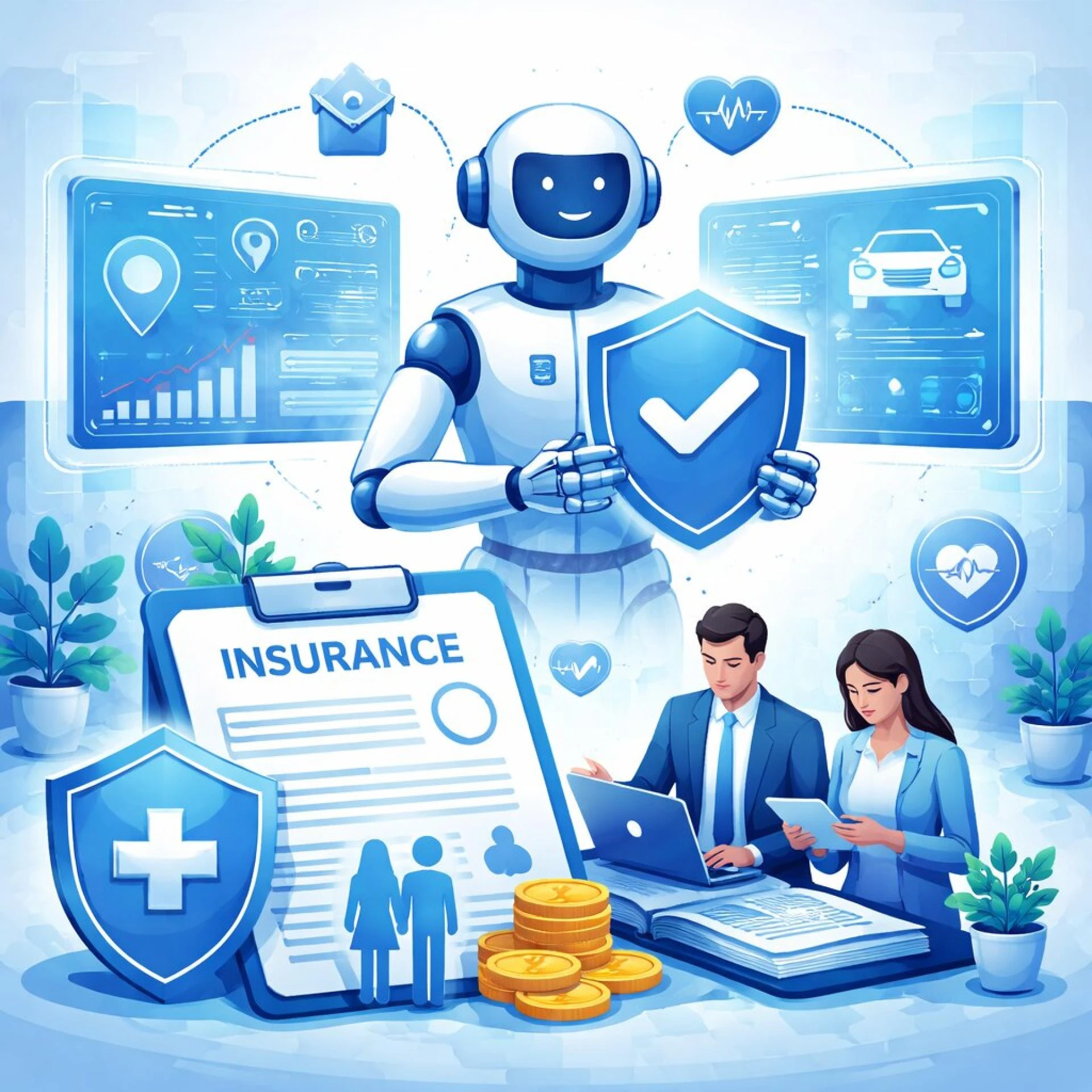
Instead of relying on slow, repetitive processes that drain time and energy, insurers are now using AI, smart workflows, and digital tools to handle routine tasks in the background. The result? Less paperwork, quicker decisions, and smoother experiences for both your team and your customers.
In this blog, we will explore how intelligent automation is reshaping insurance from claims and underwriting to fraud detection and customer service and why now is the best time to start embracing it.
What is intelligent automation in insurance?
Intelligent automation combines workflow automation, AI, analytics, and integration with core systems. IBM calls these “intelligent workflows” and views them as the operating model for the insurer of the future, connecting data and processes across policy, billing, and claims.
In practice, this means:
- Digital collection and validation of data from forms, emails, and documents.
- Machine learning models that support risk scoring, pricing, and fraud checks.
- Workflows that route tasks to bots or people, based on rules and confidence levels.
The result is a new generation of AI-powered insurance solutions that are faster, more accurate, and easier to scale.
How a cognitive enterprise embeds intelligence into workflows using AI, automation, IoT, blockchain, and 5G to deliver better insurance outcomes
Building the automation backbone: RPA, AI, and workflows
Many insurers start with Robotic process automation (RPA) in insurance, which uses software bots to handle repetitive tasks such as data entry between legacy systems. IBM reports that RPA deployments in financial services can deliver up to 200 percent ROI in the first year, mainly by reducing manual work and error rates.
On top of RPA, carriers add:
- Intelligent document processing to read claim forms, medical reports, and invoices.
- APIs that connect policy administration, CRM, and payment platforms.
- AI models that predict risk, next best actions, and potential fraud.
Together, these tools create a flexible automation layer that can support both front office and back office journeys.
Claims: Turning days into hours
Claims are the most visible moment of truth for policyholders. Long delays, repeated document requests, and poor communication damage trust and increase churn.
With Claims processing automation, insurers can:
- Capture the first notice of loss through mobile apps, chatbots, or web portals.
- Extract key details automatically from photos, PDFs, and structured forms.
- Auto-approve simple, low-risk claims using business rules and ML models.
Recent research on intelligent claims automation shows that end-to-end automated systems can cut processing time by as much as 70 percent, while keeping fraud detection accuracy above 95 percent.
This improves customer satisfaction and frees adjusters to focus on complex cases.
Underwriting: Faster risk decisions with better data
Manual underwriting involves data collection, document review, and many back-and-forth emails. It is slow, inconsistent, and costly.
Insurers now use Underwriting automation tools that:
- Pull data from internal systems, external databases, and third party providers.
- Use AI models to score risk, recommend pricing, and flag missing information.
- Present underwriters with prefilled files so they can focus on edge cases and judgment calls.
Gartner highlights intelligent document processing as critical for underwriting and broker submissions because it can extract needed data from complex documents at scale.
This leads to more consistent decisions, faster quote turnaround, and improved agent satisfaction.
Fighting fraud with AI
Insurance fraud is a growing and expensive problem. Traditional rule-based systems can miss new patterns and often create too many false positives.
By using Fraud detection using AI, carriers can:
- Analyze large volumes of historical and real time claim data.
- Spot suspicious patterns such as unusual claim combinations, abnormal behavior, or risky networks of participants.
- Prioritize investigations for SIU teams based on risk scores.
This reduces leakage, protects honest customers, and improves overall portfolio profitability.
Supporting digital transformation across the value chain
According to multiple McKinsey studies, end to end automation is one of the most important levers in Digital transformation in insurance, because it directly impacts cost, speed, and customer satisfaction. McKinsey & Company
Key benefits include:
- Lower operating costs and fewer manual errors.
- Faster time to market for new products and channels.
- Better use of data for pricing, risk management, and product design.
However, success depends on strong governance, clear ownership, and continuous monitoring of automated processes.
Elevating customer experience with intelligent journeys
Customers judge insurers by how easy it is to get information, buy policies, and resolve problems. Intelligent automation supports this by orchestrating journeys across channels.
Examples of Customer experience automation in insurance include:
- Chatbots and virtual assistants that answer routine questions and guide customers through forms.IBM
- Proactive notifications about claim status, missing documents, or renewal options.
- Personalized offers and coverage recommendations based on usage and behavior.
This keeps customers informed, reduces call center load, and strengthens loyalty.
Using automation responsibly
While automation creates value, it also introduces new risks. McKinsey advises insurers to manage intelligent automation like any strategic investment, with dedicated governance, clear risk controls, and transparent communication.
Best practices include:
- Testing models and workflows before going live.
- Tracking performance, bias, and error rates.
- Keeping humans in the loop for high impact or sensitive decisions.
Conclusion
Intelligent automation is no longer a future vision. It is an essential capability for insurers that want to stay competitive, reduce costs, and delight customers.
By modernizing claims, underwriting, fraud detection, and customer interactions, insurers can shift from slow manual processes to connected, data driven workflows. The winners will be those that combine strong technology foundations with clear business goals, careful governance, and a human centered approach to change.
For more information, visit tkxel!









Sign in to leave a comment.