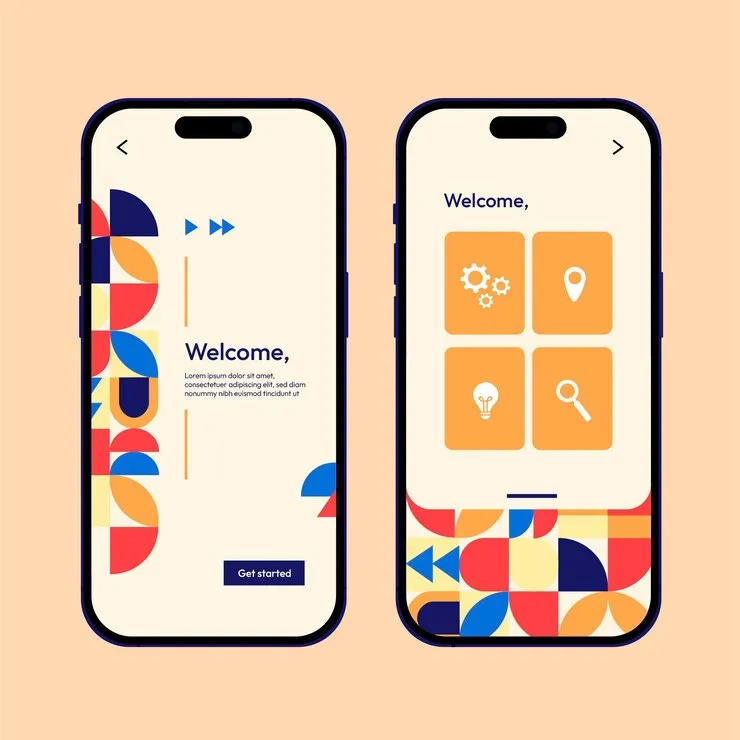

Mobile applications have become one of the most powerful tools for business growth and customer engagement. From healthcare and banking to shopping and education, mobile apps are now central to how people manage their daily activities. However, the next phase of digital transformation is not just about having a mobile app—it is about building intelligent mobile applications that can think, learn, and respond in real time. These applications use artificial intelligence to deliver smarter services, automate workflows, and improve user experiences. This is where the idea of AI in your pocket becomes a practical reality, giving users access to advanced intelligence directly through their smartphones.
Traditional mobile apps were built to perform fixed tasks based on predefined workflows. Intelligent mobile applications go far beyond that by learning from user interactions and making decisions based on data. They can personalize recommendations, predict user needs, automate support, and improve performance continuously. This helps businesses provide better customer experiences while reducing manual effort and operational costs.
What Are Intelligent Mobile Applications?
Intelligent mobile applications are mobile platforms that combine standard app functionality with artificial intelligence technologies such as machine learning, natural language processing, predictive analytics, and computer vision. These technologies allow the application to analyze data, understand behavior, and make smart decisions without constant human intervention.
For example, a healthcare app can track patient activity and send alerts when unusual symptoms appear. A retail app can recommend products based on previous purchases and browsing habits. A banking app can detect fraud in real time and notify the customer instantly.
The purpose of intelligent mobile applications is to create proactive and personalized experiences rather than simple reactive services. They help users solve problems faster while helping businesses operate more efficiently.
Core Technologies Used in Intelligent Mobile Applications
Machine Learning
Machine learning helps mobile applications learn from user behavior and improve performance over time. It is widely used for recommendation engines, fraud detection, health monitoring, and customer engagement systems.
Streaming apps use machine learning to recommend content, while healthcare apps use it to identify health risks based on patient data.
Natural Language Processing
Natural language processing allows applications to understand and respond to human language. This powers voice assistants, AI chatbots, customer support systems, and intelligent search features.
Users can interact with the application naturally using voice or text instead of relying only on menus and buttons.
Computer Vision
Computer vision helps applications process visual information such as images and videos. It is used for facial recognition, product scanning, document verification, and medical imaging analysis.
Retail and healthcare industries use this technology to improve both speed and accuracy.
Predictive Analytics
Predictive analytics uses historical and real-time data to forecast future outcomes. It helps businesses identify risks early and improve decision-making.
This is especially useful in healthcare, logistics, and financial planning where proactive action creates better results.
Generative AI
Generative AI enables applications to create reports, summaries, recommendations, and personalized content automatically.
This improves efficiency and supports better customer communication across industries.
Benefits of Intelligent Mobile Applications
Personalized User Engagement
Modern customers expect applications that understand their preferences and behavior. Intelligent mobile applications use AI to deliver personalized recommendations, offers, and notifications.
This improves customer satisfaction and increases long-term retention.
Faster Decision-Making
AI-powered mobile applications process information in real time and provide immediate recommendations. This helps businesses make faster and more accurate decisions.
In industries like healthcare and finance, real-time intelligence can prevent serious problems.
Automation of Repetitive Tasks
Tasks such as appointment scheduling, follow-up reminders, billing updates, and support responses can be automated through intelligent mobile applications.
This reduces workload and improves operational productivity.
Improved Accessibility
Voice-based interfaces and conversational AI make applications easier to use for people across different age groups and technical backgrounds.
This increases usability and expands digital adoption.
Better Business Performance
By connecting workflows, customer interactions, and data insights, intelligent mobile applications improve efficiency and create stronger opportunities for growth.
Businesses can deliver better service while reducing operational complexity.
Industry Applications of Intelligent Mobile Apps
Healthcare
Healthcare providers use intelligent mobile applications for telemedicine, remote patient monitoring, medication reminders, chronic disease management, and AI-assisted diagnosis.
These applications improve patient engagement and help doctors make faster clinical decisions.
Retail and eCommerce
Retail businesses use intelligent apps for personalized shopping experiences, chatbot support, inventory visibility, and visual search capabilities.
This improves customer journeys and increases conversion rates.
Banking and Financial Services
Banks use intelligent mobile applications for fraud detection, smart budgeting, automated approvals, and personalized financial recommendations.
These systems improve both security and customer trust.
Logistics and Transportation
Delivery companies use AI-powered mobile applications for route optimization, fleet management, predictive maintenance, and shipment tracking.
This improves service reliability and operational efficiency.
Education
Educational platforms use intelligent applications for adaptive learning, student performance analysis, and virtual tutoring support.
This creates better learning outcomes and personalized education experiences.
Why Businesses Should Work with an AI Development Company
Developing intelligent mobile applications requires expertise in mobile architecture, AI integration, data security, cloud systems, and regulatory compliance. It is not only about creating a mobile app but building a scalable and reliable intelligent platform.
This is why partnering with a trusted AI development company is important.
An AI development company helps businesses identify practical AI opportunities, select the right technologies, and build mobile solutions that deliver measurable results. They ensure that AI features are secure, scalable, and aligned with business goals.
From healthcare solutions to enterprise platforms, the right development partner helps businesses avoid costly mistakes and accelerate digital transformation.
Challenges in Intelligent Mobile App Development
Data Security and Compliance
AI-powered apps often manage sensitive customer and business data. Strong security systems and compliance with regulations like GDPR and HIPAA are critical.
Trust and reliability depend on secure architecture.
Legacy System Integration
Many organizations still use older systems that must connect with modern mobile applications. Integration can be complex but is necessary for smooth operations.
AI Accuracy and Model Quality
AI performance depends on high-quality data and continuous monitoring. Poor training data can lead to inaccurate recommendations and weak user trust.
Regular updates are necessary for long-term success.
Mobile Performance Optimization
AI features must work efficiently without slowing the app or affecting battery life. This requires strong technical planning and mobile optimization.
Future of Intelligent Mobile Applications
The future of mobile applications is moving toward more predictive and autonomous experiences. With the growth of generative AI, wearables, and IoT ecosystems, intelligent mobile applications will become even more connected to everyday life.
Healthcare apps will predict health risks before symptoms become serious. Retail apps will understand buying behavior before users start searching. Financial apps will offer proactive financial advice and fraud prevention automatically.
Mobile applications will move from being simple tools to becoming continuous digital assistants.
Conclusion
Intelligent mobile applications are changing how businesses deliver services and how users interact with technology. They combine automation, personalization, and predictive intelligence to create better digital experiences across every industry.
As innovation continues, the meaning of AI in your pocket becomes stronger, with users depending on mobile intelligence for healthcare, finance, shopping, education, and more. Businesses that invest in intelligent mobile applications today are building smarter operations, stronger customer relationships, and a future-ready path for sustainable growth.
























Sign in to leave a comment.