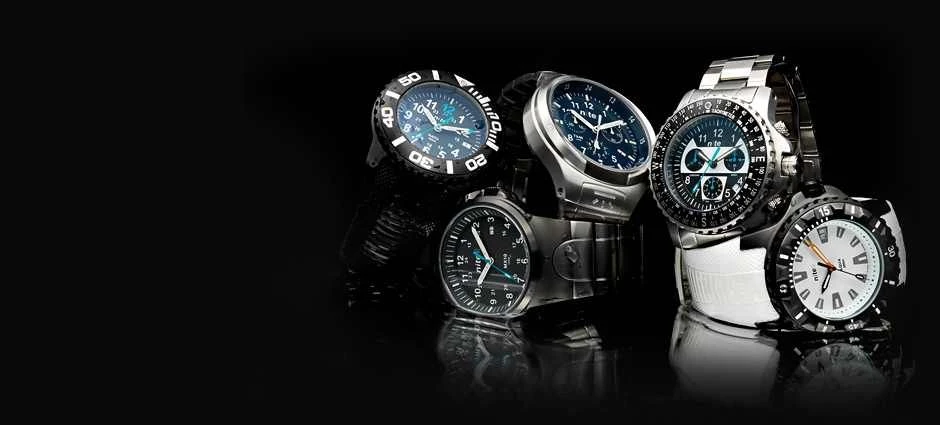

Authentic luxury watches have a rich and fascinating history that spans centuries, evolving from simple timekeeping devices to coveted status symbols. This journey encompasses technological advancements, artistic craftsmanship, and the intertwining of watchmaking with major historical events. Here’s an exploration of interesting historical facts about authentic luxury watches, tracing their evolution from the 16th century to the present day.
The Origins: 16th CenturyThe roots of luxury watches can be traced back to the 16th century when personal timepieces, known as “wristlets,” gained popularity among European aristocrats. These early timekeepers were often ornate and worn as accessories rather than purely functional devices.
Pioneering Artistry: 18th CenturyThe 18th century witnessed significant advancements in watchmaking artistry. Swiss craftsmen, particularly in Geneva and Neuchâtel, emerged as leaders in the field. This era saw the birth of complications, such as the perpetual calendar and minute repeater, showcasing the intricate craftsmanship that would become synonymous with authentic luxury watches.
The Birth of the Wristwatch: 19th CenturyWristwatches gained prominence in the 19th century, driven by military necessity. During the Boer War (1899–1902), soldiers found pocket watches impractical on the battlefield, leading to the adaptation of wristwatches. This marked the beginning of the wristwatch’s transition from a feminine accessory to a unisex timekeeping device.
Rolex and the Oyster Case: 1926In 1926, Rolex introduced the Oyster case, revolutionizing watch design. The Oyster case was the first waterproof and dustproof watch case, enhancing the durability of timepieces. This innovation solidified Rolex’s reputation for producing rugged and reliable watches.
Iconic Aviation Connection: Breitling NavitimerBreitling’s Navitimer, introduced in 1952, became an iconic pilot’s watch. Featuring a built-in slide rule, it became an essential tool for aviators. This timepiece’s association with the aviation industry and its precision functionality contributed to its status as a luxury item.
The Quartz Crisis: 1970s-1980sThe quartz crisis in the 1970s had a profound impact on the watch industry. The introduction of quartz movements threatened traditional mechanical watches, leading many established watchmakers to reevaluate their strategies. Some brands, like Patek Philippe and Audemars Piguet, reaffirmed their commitment to mechanical craftsmanship.
Renaissance of Mechanical Watches: Late 20th CenturyThe late 20th century witnessed a resurgence of interest in mechanical watches. Collectors and enthusiasts sought craftsmanship, heritage, and exclusivity, sparking a renaissance for luxury watchmakers. Brands like Jaeger-LeCoultre and A. Lange & Söhne led this resurgence with exceptional mechanical creations.
Swiss Made: A Symbol of ExcellenceThe “Swiss Made” label became synonymous with quality and precision. The Swiss watchmaking industry, with its stringent standards, solidified its global reputation for producing some of the finest timepieces. The Geneva Seal and the Poinçon de Genève (Geneva Hallmark) further emphasized the commitment to excellence.
Heritage and Limited EditionsMany luxury watch brands celebrate their heritage by reissuing or creating limited editions inspired by iconic historical models. These limited releases often incorporate modern technology while paying homage to the craftsmanship and design of earlier eras.
Technological Innovations: 21st CenturyThe 21st century brought significant technological innovations to the world of luxury watches. Materials like ceramic and carbon fiber found their way into watchmaking, enhancing durability and aesthetics. Additionally, advancements in precision engineering and anti-magnetic technology further elevated the performance of mechanical movements.
Smart Watches and Luxury BrandsWith the rise of smartwatches in the 21st century, traditional luxury watchmakers faced a new challenge. Some responded by integrating smart features into their timepieces, combining modern technology with traditional craftsmanship. Others maintained a steadfast focus on preserving the timeless appeal of mechanical watches.
Auction Records and CollectibilityThe auction market for vintage and rare watches has seen remarkable growth. Auction houses like Christie’s and Sotheby’s regularly feature auctions dedicated to timepieces, with record-breaking prices for vintage Rolex, Patek Philippe, and Audemars Piguet watches. The collectability of these watches has become a testament to their enduring appeal.
In conclusion, authentic luxury watches have traversed a remarkable historical journey, evolving from simple timekeeping devices to intricate works of art and status symbols. The interplay of craftsmanship, innovation, and cultural shifts has shaped the luxury watch industry into the dynamic and prestigious realm it is today. As these timepieces continue to capture the imagination of enthusiasts and collectors, their timeless allure ensures they remain a symbol of refinement and sophistication
The Future Of Authentic Luxury Watches Market
The authentic luxury watches market is an intricate blend of craftsmanship, heritage, and innovation, representing a sector where timepieces transcend mere functional objects to become symbols of status, style, and sophistication. As we look ahead to the future of this market, several key trends and factors are likely to shape its trajectory, influencing consumer preferences, technological advancements, and market dynamics.
Sustainable Luxury:
In an era dominated by environmental consciousness, sustainable practices are becoming increasingly important in every industry, including luxury watches. The future of authentic luxury watches will witness a growing demand for sustainable materials, ethical sourcing, and eco-friendly production processes. Watchmakers will likely explore alternative materials, such as recycled metals and sustainable leather, to align with consumers’ values and expectations regarding environmental responsibility.
Technological Integration:
As technology continues to advance at a rapid pace, authentic luxury watchmakers are presented with opportunities to integrate innovative features without compromising the traditional essence of their creations. Smartwatch functionalities, including health tracking, connectivity, and even augmented reality elements, might find their way into high-end timepieces, catering to the evolving needs of tech-savvy consumers while preserving the craftsmanship and exclusivity associated with luxury watches.
Customization and Personalization:
Consumers are increasingly seeking unique and personalized experiences, and this trend is likely to extend to the luxury watches market. Watchmakers will need to embrace customization options, allowing customers to personalize various aspects of their timepieces, from dial designs and materials to engraving and limited editions. This shift towards personalization not only enhances customer engagement but also creates a sense of exclusivity and individuality.
Digital Transformation and E-commerce:
The luxury watch industry, historically reliant on traditional brick-and-mortar boutiques, is undergoing a digital transformation. E-commerce platforms are becoming essential avenues for reaching a global audience, allowing watchmakers to connect directly with consumers. Brands will need to invest in robust online platforms, immersive digital experiences, and virtual try-on technologies to replicate the in-store experience and build trust in the online purchasing process.
Rising Importance of Pre-Owned Market:
The pre-owned luxury watch market is gaining momentum as consumers increasingly recognize the value and authenticity of vintage timepieces. The future will likely witness a surge in demand for pre-owned authentic luxury watches, driven by a desire for unique, discontinued models and the appeal of sustainable and circular fashion practices. Brands can explore collaborations or initiatives in the pre-owned space to leverage this growing market segment.
The future of the authentic luxury watches market is dynamic and multifaceted, characterized by a delicate balance between tradition and innovation, craftsmanship and technology, and exclusivity and inclusivity. Brands that successfully navigate these trends, embracing sustainability, technology, personalization, and global expansion, are likely to thrive in the evolving landscape. As consumers continue to seek timeless pieces that reflect their values and individuality, the authentic luxury watches market will remain a captivating realm where artistry, heritage, and innovation converge.










Sign in to leave a comment.