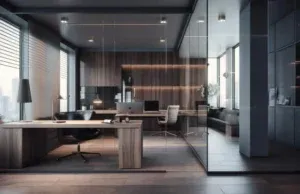

Commercial spaces have different demands than homes, and not every interior design consultant handles both well. Offices, retail stores, and restaurants need to balance brand identity with practical concerns like foot traffic, durability, and code compliance, all while staying within a business budget that is usually tighter than people expect. Getting this wrong is not just a matter of aesthetics either, since a poorly designed commercial space can quietly hurt customer experience or employee productivity for years. Business owners rarely have the time to learn commercial building codes on the fly, and that gap is exactly where a good consultant earns their keep. A design choice that looks fine on paper can turn into a costly reversal once an inspector flags it weeks into construction.
Understanding Commercial Design Needs
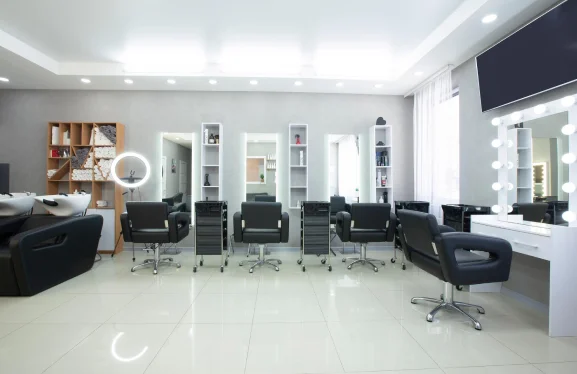
Unlike a home, a commercial space has to work for dozens or hundreds of different people passing through it daily, not just one household. That changes almost everything about the planning process. Materials need to withstand heavy use without looking worn within months. Layouts need to guide movement, whether that is customers through a retail floor or employees between workstations and meeting rooms. A consultant working commercially also has to think about signage, brand consistency, and how the space reads to someone walking in for the first time. Acoustic planning matters more here too, since open offices and busy restaurants can quickly become uncomfortably loud without deliberate material choices to absorb sound.
Why Businesses Bring In Outside Help
Business owners are usually focused on running the business, not managing a renovation. Bringing in a commercial interior design consultant means someone else handles permits, contractor coordination, and material sourcing while you keep operations running. They also bring an outside perspective on how customers actually experience the space, which is easy to lose when you are too close to a project. A consultant who has worked on commercial spaces before will already know the code requirements that catch first-time renovators off guard, from fire exit clearances to accessibility rules that vary depending on the type of business and location.
Balancing Brand and Function
A retail store or office has to look like the brand it represents while still functioning well for daily use. That balance is trickier than it sounds. A striking design that slows down checkout lines or confuses customer flow ends up costing the business money regardless of how good it looks. Good commercial design starts with function, then layers brand identity on top through color, material choice, and signage rather than treating decoration as separate from how the space actually operates. A consultant will often map customer or employee movement through the space before finalizing any layout, so the design serves the flow rather than fighting it.
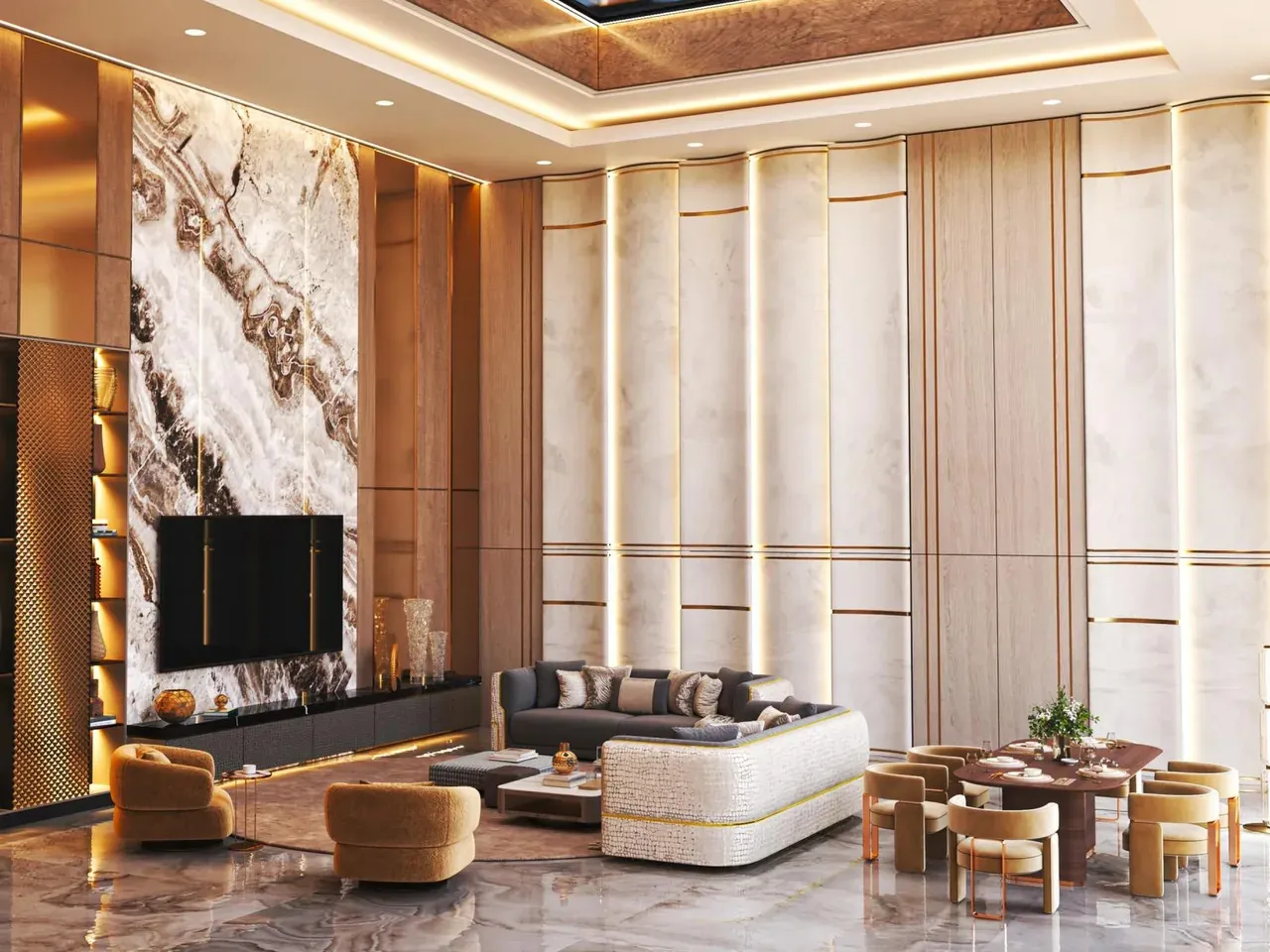
Some businesses, particularly boutique hotels, private clinics, and flagship stores, want the space itself to signal exclusivity. A luxury interior design consultant working on these projects has to balance that premium feel with the same functional demands as any other commercial job, since a beautiful reception area still needs to handle real foot traffic without bottlenecking.
What a Project Timeline Looks Like
Commercial projects usually move through phases: initial assessment, design concept, permitting, construction, and fit-out. Permitting alone can take weeks depending on the type of business and local regulations, so factor that into any opening date you are planning around publicly. A consultant experienced with commercial work will build buffer time into the schedule rather than promising an unrealistic turnaround that falls apart the moment one supplier is late. It also helps to ask how they handle inspections, since failing one and having to redo work is one of the more expensive delays a commercial project can run into. Getting a realistic schedule in writing before construction starts makes it much easier to plan a launch date that does not need to be pushed back twice.
Conclusion
Commercial projects carry higher stakes than a home renovation because a business's daily operations depend on getting the space right the first time. An interior design consultant who understands both design and the practical realities of running a business is worth the extra vetting it takes to find one, especially when a missed deadline means lost revenue rather than just a delayed housewarming.

























Sign in to leave a comment.