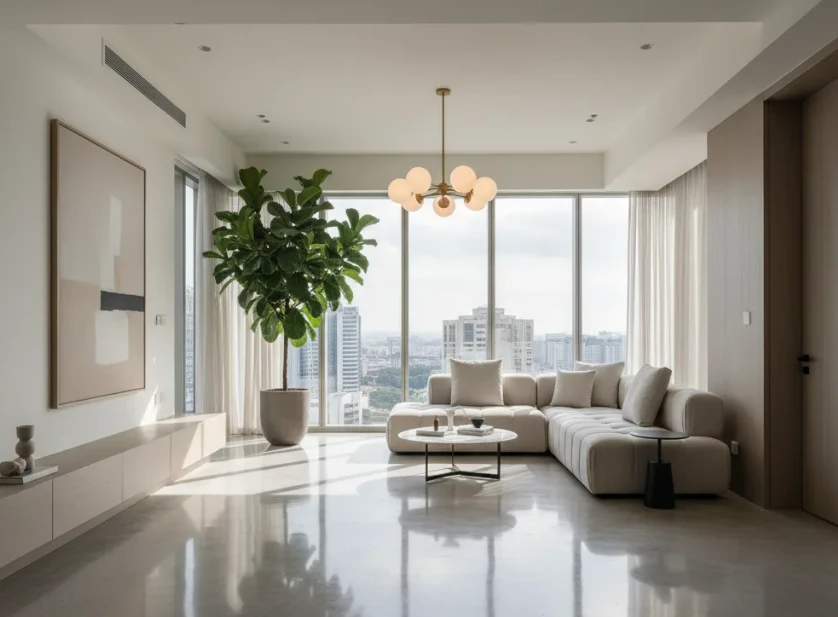
It can be easy to decide between interior and exterior painting on a property in Singapore, but what you have to know is what each of these needs--and the problem is exacerbated by the fact that the weather in Singapore can be very humid, bright, and can also rain abruptly any time, so any idea of how long you have to commit time to this task can change. Most homeowners and office managers tend to jump into the painting works without being acquainted with the variations in the cost, preparation, and methods. This ends up giving them fading walls, peeling surfaces, or unnecessary repainting costs. This guide simplifies all you need to know so that you can make wise decisions and gain long-term effects on your home or office.
Understanding the Key Differences Between Interior & Exterior Painting
Even though the intentions of the two are to refresh and protect the surfaces, the purposes of the two kinds of painting, both interior and exterior, are distinct. The interior painting is based on aesthetic, comfort, and mood where the exterior is based on durability and weather resistance. Knowledge of such differences can provide correct planning-and improved results.
1. Purpose and Environmental Exposure
- Interior Painting: Walls inside a property are shielded from the sun, rain, and pollution. This means interior paints can focus on smooth finishes, color flexibility, and low-odour formulations suitable for daily living and office operations.
- Exterior Painting: Exterior walls must withstand Singapore’s tropical climate—UV exposure, moisture, mould risk, and even salt in coastal areas. This requires weather-resistant paint types that are thicker, more protective, and formulated to prevent cracking and peeling.
Cost Comparison: Interior vs Exterior Painting in Singapore
Painting costs vary because materials, preparation, and labour differ significantly between the two. To know more about your cost or to get a quote, check out b&b painting services singapore.
Interior Painting Costs
Interior painting generally costs less because:
- Surfaces are more predictable,
- Weather is not a factor,
- Less heavy-duty preparation is required.
Estimated cost:
HDB 3-room unit: SGD 700–1,200
Condo unit: SGD 1,200–2,200
Office interiors: SGD 1.50–3.50 per sq ft
Costs increase for premium paints, multiple colour changes, or plaster repair work.
Exterior Painting Costs
Exterior painting is more expensive due to:
- weatherproof coatings,
- safety equipment (ladders, scaffolding),
- surface preparation against algae, mould, or cracks.
Estimated cost:
Landed/exterior surfaces: SGD 1,800–6,000+, depending on size and height
Commercial buildings: Price varies based on façade complexity
Techniques Used for Interior Painting in Singapore
A clean, smooth finish requires proper preparation and the right product. Interior painting contractors typically use:
1. Surface Preparation
- Cleaning the walls
- Repairing cracks and holes
- Light sanding
- Applying an undercoat or sealer
Interior surfaces like feature walls, ceilings, and plaster finishes require gentle techniques to maintain smoothness.
2. Paint Application Methods
- Roller application for even coverage
- Brush detailing for edges and corners
- Spray painting for large office spaces or smooth, modern finishes
3. Paint Types
- Low-VOC or odourless paint
- Washable paints for kitchens or children’s rooms
- Matte, satin, or semi-gloss, depending on interior décor goals
Exterior Painting Techniques for Singapore’s Climate
Exterior surfaces require more demanding processes to ensure long-term durability.
1. Heavy Preparation
Contractors usually carry out:
- high-pressure washing,
- mould/algae removal,
- crack filling or patching,
- waterproofing procedures (critical given Singapore rainfall).
2. Weather-Resistant Coatings
Exterior painting uses:
- anti-fungal paint,
- UV-resistant coatings,
- waterproof membranes for vulnerable areas.
3. Multi-Layer Paint Application
Most exteriors require at least:
- 1 coat sealer
- 2–3 coats of premium exterior-grade paint
This helps prevent fading and peeling.
Best Practices for Interior & Exterior Painting in Singapore
The following are the recommended practices by the best painting services singapore that must be adhered to by the owners of the properties that they intend to sell to achieve high-quality and long-term results:
1. Choose Paint Formulas Based on Purpose
- Interior: Smooth, low-VOC, easily cleanable
- Exterior: Weatherproof, UV-resistant, mould-proof
2. Never Skip Surface Preparation
Preparation determines longevity. Walls with moisture, cracks, or old peeling paint must be treated before painting begins.
3. Schedule Exterior Painting Wisely
Singapore’s sudden rain can affect drying. Professional painters typically monitor weather forecasts and work in dry intervals.
4. Work With Experienced Contractors
Choose only well-experienced painting crews that know their residential and commercial setting. The local conditions are essential for the knowledge of durability.
Which Should You Prioritize First—Interior or Exterior?
To new homeowners or companies, interior painting is usually done prior to the renovation schedule. But in case of land properties or buildings that are worn on the outside, a solution on the outside can help avoid more costly repairs in the future.
In most cases:
- Renovation projects → Start inside
- Weather-damaged properties → Start outside
- Office upgrades → Interior first for operational needs
Final Thoughts
In upgrading a HDB house, renovating the interior of your condo, or keeping the front of your commercial building in Singapore, knowing the difference between interior and exterior painting would assist you to preserve your property in a better way. All of them need special methods, materials, and funds. The appropriate strategy will have ensured you have long-term results that suit the Singaporean harsh weather and lifestyle requirements.





















Sign in to leave a comment.