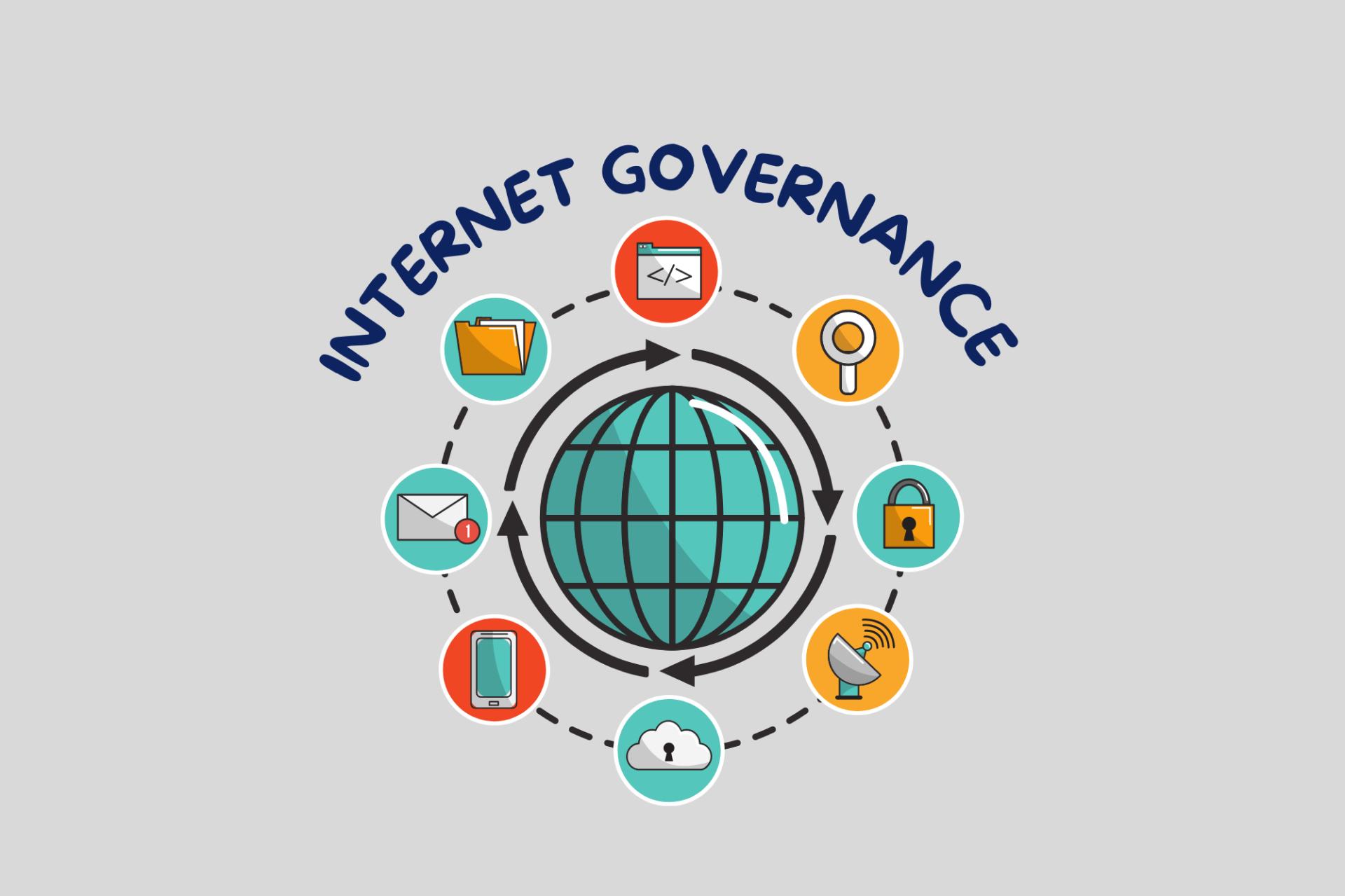

Internet Governance: A Framework for a Connected World
The internet has become an indispensable part of modern life, influencing everything from commerce and communication to education and governance. As its influence grows, so does the need for effective internet governance—a system of policies, regulations, and technical management that ensures the internet remains open, secure, and accessible to all. Internet governance is a multi-stakeholder process involving governments, private sector companies, civil society organizations, and technical experts working together to develop rules and standards for the internet's operation.
Key Aspects of Internet Governance
- Policy Development and Regulation
- Governments play a crucial role in shaping internet governance through policies that regulate data privacy, cybersecurity, and digital rights. These regulations help define the legal framework within which online activities occur. For example, the European Union’s General Data Protection Regulation (GDPR) has set a global benchmark for data protection and privacy standards.
- Infrastructure Management
- The technical backbone of the internet, including domain names, IP addresses, and protocols, is managed by organizations like the Internet Corporation for Assigned Names and Numbers (ICANN) and the Internet Engineering Task Force (IETF). These entities ensure that the internet’s infrastructure remains stable and interoperable across different networks and countries.
- Cybersecurity and Trust
- As cyber threats increase, internet governance frameworks must address issues such as hacking, data breaches, and misinformation. Organizations like the Cybersecurity and Infrastructure Security Agency (CISA) and international bodies like the United Nations’ Internet Governance Forum (IGF) play key roles in fostering cybersecurity collaboration and best practices.
- Digital Rights and Freedom of Expression
- One of the most contentious aspects of internet governance is balancing security with fundamental digital rights, such as freedom of speech and privacy. Governments and civil society organizations often debate issues like censorship, surveillance, and the regulation of social media platforms to prevent misinformation while preserving free expression.
- Economic and Digital Inclusion
- The digital divide remains a significant challenge in internet governance. Many regions, particularly in developing countries, lack adequate infrastructure and affordable access to the internet. Global initiatives like the United Nations’ Sustainable Development Goals (SDGs) aim to bridge this divide by promoting policies that expand internet access and digital literacy.
Multi-Stakeholder Approach
Internet governance is unique in its reliance on a multi-stakeholder approach. This means that no single entity has absolute control over the internet; instead, different groups collaborate to create policies and technical standards. Key stakeholders include:
- Governments – Develop national and international policies.
- Private Sector – Companies like Google, Amazon, and Microsoft influence internet regulation through corporate policies and lobbying.
- Civil Society – Advocacy groups ensure human rights and consumer protection are considered in governance discussions.
- Technical Community – Engineers and technologists develop internet standards and protocols.
Future Challenges and Trends
The future of internet governance faces several pressing challenges, including regulating artificial intelligence, addressing the dominance of big tech companies, and combating cybercrime. Additionally, geopolitical tensions over internet sovereignty, particularly between nations like the U.S., China, and the European Union, create conflicts over control and regulation.
As the internet continues to evolve, so too must the governance frameworks that manage it. A balanced approach that fosters innovation while protecting users' rights and security will be essential to ensuring the internet remains a force for positive global change.






























Sign in to leave a comment.