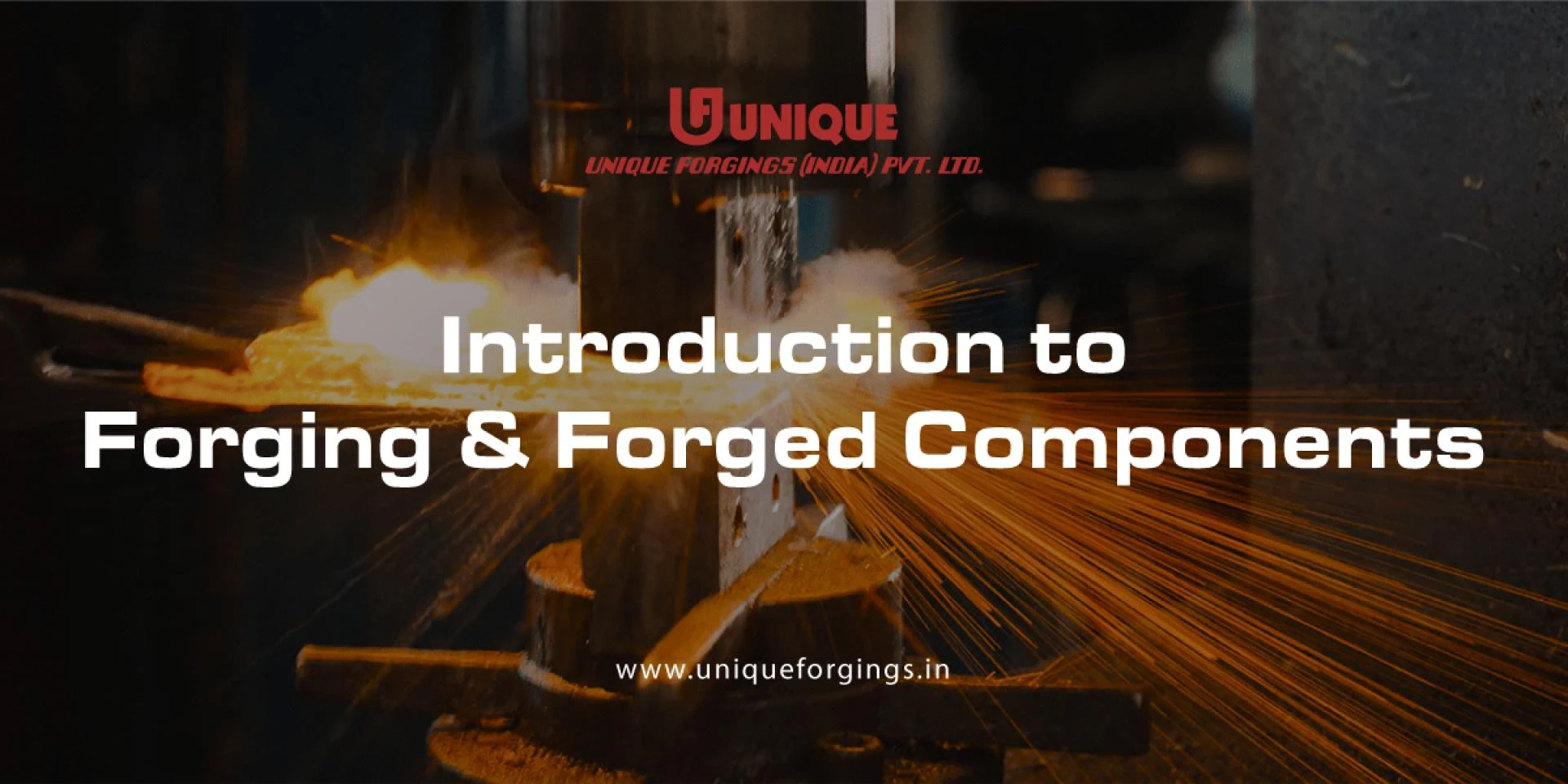

Although forging is one of the oldest metalworking techniques, it is still one of the most effective. Forging, at its most basic, is the process of forming raw metal without allowing it to completely melt. While an operator performs any combination of forming techniques such as hammering, rolling, or pressing, the metal remains solid. While there are many forging variations, each with their own set of advantages, the majority involve heating the workpiece to extremely high temperatures to facilitate these shaping processes.
[caption class="snax-figure" align="aligncenter" width="1140"][/caption]
Forging, when compared to casting or other metalworking techniques, produces the most desirable physical characteristics, including a very high degree of tensile strength, at an affordable price. These advantageous properties are primarily due to changes in the grain of the metal. Because the material is never melted, the percussive or compressive forces used during forging force the grain to flow with the finished product. As a result, the components are far stronger than their machined and cast counterparts.
Unique Forging ranks among the Top forgings companies in India, also ensures to make these benefits available to clients across industries by providing a full range of skilled forging services that meet the requirements of a wide range of applications.
The Process of Forging Components:
Because there are numerous subtypes of the broader forging process, the precise steps involved in forming a product may differ. The majority of procedures, on the other hand, will follow the same general outline.
Forging relies on the use of dies to compress and shape metal, so determining which set of tools will be most effective in achieving the desired shape is critical. In many cases, custom die design will be required to ensure that the final product precisely matches expectations. This step may include the design and production of multiple dies for flattening, forming, or cutting in larger production runs.
The actual metalworking can begin once the planning and toolmaking are completed. The billet, or workpiece, must first be cut to size. It must then be heated to the proper temperature after being cut. The billet is ready to be formed once it has been heated.
The various forging methods begin to diverge at this point. The billet may be heated and pressed between two dies, or it may be inserted into a moulded cavity and compressed, depending on the process used. In some cases, the operator will leave the billet at room temperature and manually work it with hammers in a process known as cold forging.
Finally, some finishing procedures may be required. Some dies, for example, will produce flashing that must be trimmed.
At Unique Forging - one of the most distinguished Forging Manufacturer Companies in India, we work hard to reduce the need for secondary procedures so that we can pass on the savings to our customers. The forging method used is determined by the part being formed. We collaborate with each client to select the technique that will provide precise, consistent results as well as the appropriate physical properties for their application.
Advantages of Forging Components:
The majority of components that can be produced by forging could also be cast. However, forged parts have significant advantages over cast parts, particularly in applications where strength and durability are critical. This is due to the fact that forging fundamentally alters the structure of the metal when a solid or heated metal is compressed, it undergoes metallurgical recrystallization, which is a beneficial realignment of the metal grain.
Forged parts have much higher impact and shear strength after recrystallization than raw or cast material. As an added bonus, these strength gains can be so significant that they eliminate the need for expensive alloys to achieve the desired strength.
Other advantages of forging include
Tensile strength:
According to a recent study, forged parts have a 26% higher tensile strength than comparable cast-iron components. As a result, forged parts can withstand significantly more tension without tearing than other parts.
Fatigue strength:
When observed under the same heavy-duty operating conditions, forged components have demonstrated higher fatigue strength, that allows it to have a longer working life than components made by other methods.
Versatility:
Both forging and casting can produce a wide range of large and small products. Casting is rarely preferred over forging simply to achieve a different shape.
Uniformity:
Forged components have a more uniform composition and structure than cast components, which contributes to their long working life.
Forging outperforms casting on these key metrics while also preventing common flaws found in cast parts. It is common for some of the final parts to have unacceptable levels of porosity, shrinkage, or even voids when casting. Such issues frequently necessitate the scrapping of nearly fully machined cast parts, wasting valuable machining time. Because the material is never melted and reformed, none of these issues can arise with forging.
The consistency of forging parts manufacturer concerning the quality of the product is a significant benefit, particularly in terms of cost. When a cast part develops porosity, it must be scrapped and recast, incurring significant material and labour costs. This risk is entirely mitigated by forging. Because of their durability, forged parts also result in long-term cost savings by reducing the frequency with which components fail and must be replaced.
Forged parts are generally stronger than comparable-priced alternatives, making them an excellent choice for many industrial components.
Applications:
Many industries have begun to recognize the key advantages of forged components. These include:
Aerospace:
The durability and shock absorption provided by forged metal benefit aircraft engines, landing gear components, and other aerospace parts.
Automobile:
Engines, frames, and transmissions are all examples of components that are frequently forged to take advantage of forged metal's increased strength, resistance, and shock absorption properties.
Marine and railroad:
To ensure durability under high tension in harsh operating environments, forged parts are frequently used in boat and rail construction and repair.
Hand and industrial tools:
Tools must be able to withstand significant percussive force without deforming or cracking. Durability is provided by forged metal, which is difficult to achieve through casting.
Unique Forging - the leading forging manufacturer in India has over 3 decades of forging experience, which we use to guide our clients through every stage of the forging process. We provide design assistance, consultations, and optimization services, followed by in-house tooling manufacture, allowing us to collaborate with clients from the start of product development. Our diverse offerings enable us to work with clients in a variety of industries, including military, medical, and aerospace.










Sign in to leave a comment.