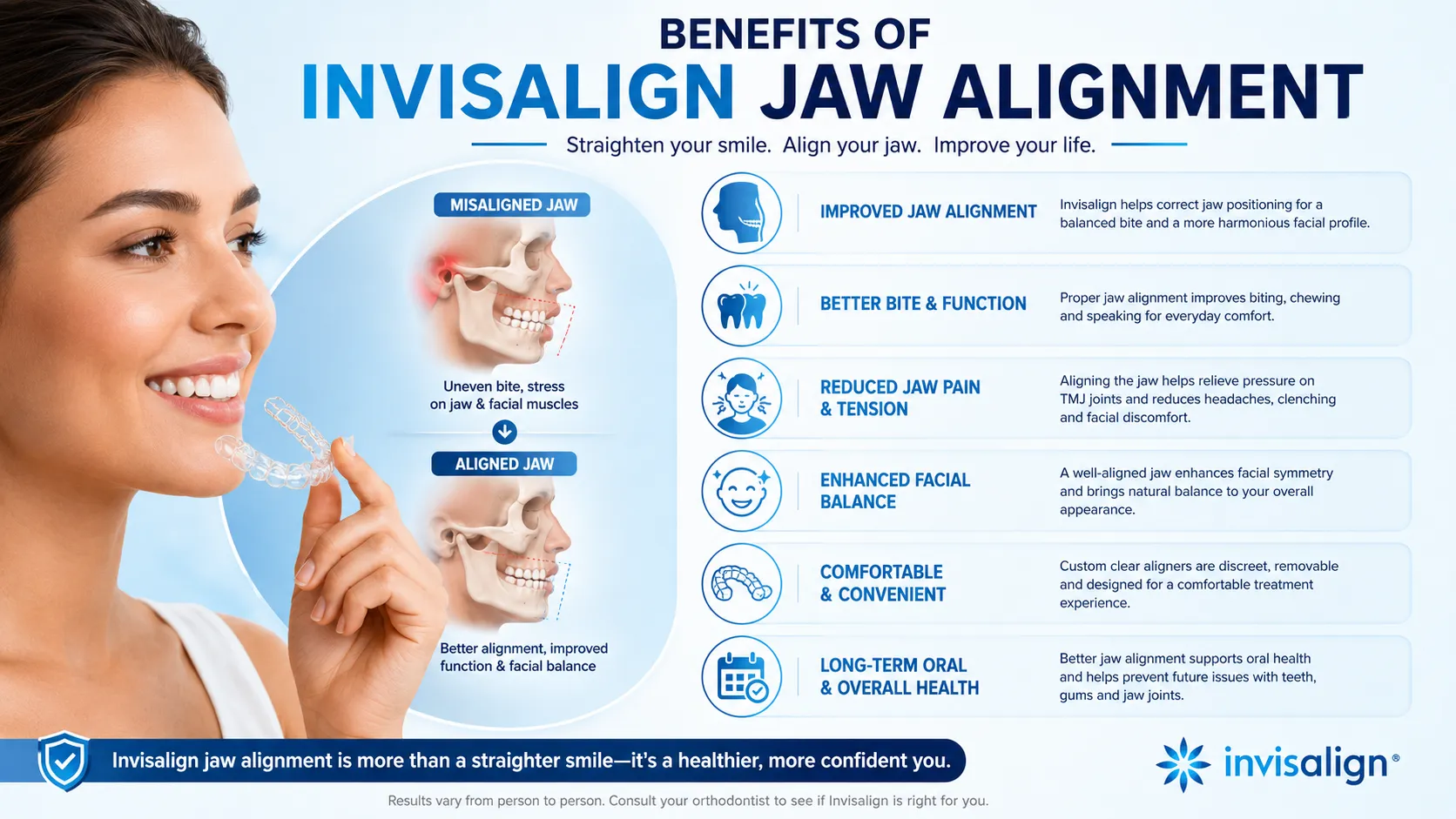

A healthy and attractive smile depends on more than just straight teeth. The alignment of your teeth and jaws affects how you chew, speak, and maintain oral health. When the bite is not properly aligned, it can lead to problems such as uneven tooth wear, jaw discomfort, difficulty cleaning teeth, and reduced confidence. Modern orthodontic advancements have introduced more convenient treatment options, and one of the most popular solutions today is Invisalign jaw alignment treatment.
Invisalign uses a series of clear, removable aligners designed to gradually move teeth into their ideal positions. Unlike traditional braces, these aligners are nearly invisible and fit comfortably over the teeth, making them a preferred choice for many adults and teenagers.
The Importance of Proper Jaw Alignment
The way the upper and lower teeth come together plays a significant role in oral function. A balanced bite helps distribute chewing forces evenly and supports healthy jaw movement. When teeth or jaws are misaligned, individuals may experience challenges such as difficulty chewing, speech concerns, jaw tension, or excessive pressure on certain teeth.
Jaw alignment issues can develop due to hereditary factors, developmental conditions, injuries, prolonged childhood habits, or premature tooth loss. Addressing these concerns early can help prevent more complex dental problems in the future.
How Invisalign Works
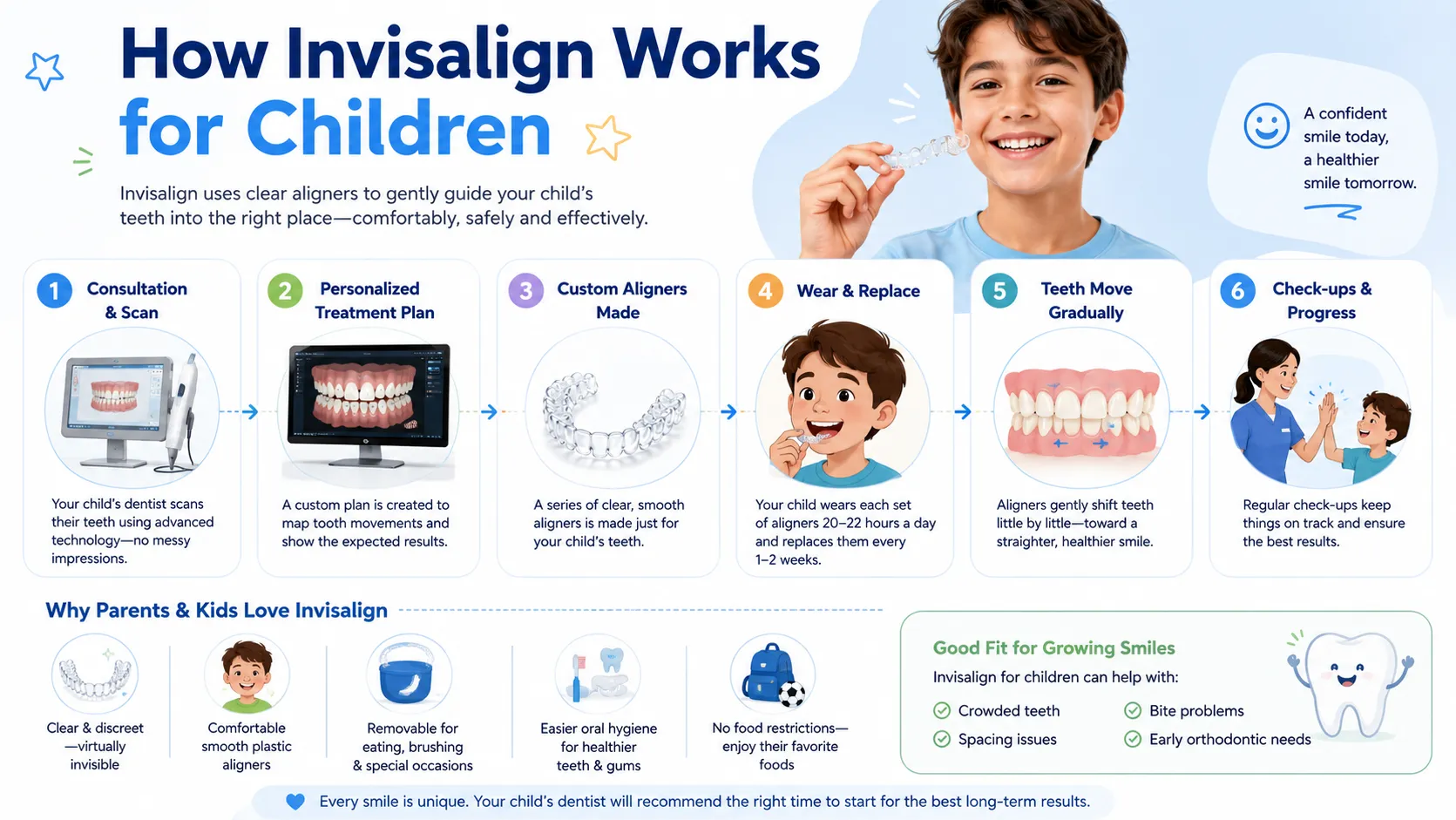
Invisalign treatment begins with a comprehensive examination and digital scan of the teeth. Using advanced technology, a customized treatment plan is created to map the movement of each tooth. Patients receive a series of aligners that are worn in sequence, with each set making small adjustments to tooth position.
The aligners are typically worn for 20 to 22 hours per day and are removed only for eating, drinking beverages other than water, and oral hygiene. Because the aligners are custom-made, they fit comfortably while applying gentle pressure to guide teeth into better alignment.
Can Invisalign Help Correct Bite Problems?
Many alignment concerns are connected to the way teeth fit together. Invisalign can effectively address several common bite issues by repositioning teeth and improving overall dental balance.
Overbite
An overbite occurs when the upper front teeth overlap the lower teeth excessively. If left untreated, it may contribute to tooth wear and jaw strain. Invisalign can often improve overbite conditions by creating a more balanced bite relationship.
Underbite
In an underbite, the lower teeth extend beyond the upper teeth. Mild to moderate cases may be improved with carefully planned aligner treatment, helping enhance both function and appearance.
Crossbite
A crossbite develops when some upper teeth bite inside the lower teeth. This condition can affect chewing efficiency and lead to uneven wear. Invisalign can help reposition the affected teeth and improve bite harmony.
Open Bite
An open bite occurs when the upper and lower teeth do not make contact when the mouth is closed. Invisalign can help close these gaps and improve the ability to bite and chew properly.
Crowding and Spacing
Teeth that are crowded or widely spaced can affect oral hygiene and smile aesthetics. Invisalign gradually moves teeth into more ideal positions, creating a healthier and more balanced dental arch.
Benefits Beyond a Straighter Smile
While many people choose Invisalign for cosmetic reasons, the advantages extend beyond appearance. Improved alignment can support better oral health by making teeth easier to clean and reducing areas where plaque tends to accumulate.
Patients often notice improvements in chewing efficiency and overall comfort as their bite becomes more balanced. Proper alignment can also reduce excessive stress on specific teeth, helping preserve their long-term health.
Another significant benefit is comfort. Since Invisalign aligners do not contain metal brackets or wires, they minimize irritation to the cheeks and gums. Their removable design also allows patients to continue enjoying their favorite foods without dietary restrictions.
Does Invisalign Change Jaw Position?
A common question among patients is whether Invisalign physically moves the jaw. The primary purpose of Invisalign is to move teeth into more favorable positions rather than alter the jawbones themselves. However, by improving the way the teeth fit together, treatment can enhance overall bite function and jaw comfort.
In certain situations, orthodontists may combine aligners with additional techniques such as elastics to help improve bite relationships. These adjustments can contribute to a more balanced interaction between the upper and lower jaws.
Invisalign for Adults
Adults increasingly choose Invisalign because it offers a discreet alternative to traditional braces. Professional and social settings often make clear aligners a more appealing option for individuals who prefer a subtle treatment approach.
Although adult jaw growth has stopped, many bite and alignment issues can still be successfully corrected through tooth movement. With customized treatment planning, Invisalign can provide meaningful improvements in both function and aesthetics.
What to Expect During Treatment
The Invisalign process begins with a detailed consultation and digital imaging. Once the treatment plan is finalized, custom aligners are manufactured specifically for the patient.
Regular follow-up appointments allow the dental professional to monitor progress and ensure teeth are moving according to plan. Most patients find the process straightforward and easy to incorporate into their daily routines.
Success depends largely on wearing the aligners consistently. Following professional instructions helps ensure predictable results and efficient treatment progress.
Long-Term Results and Retention
The duration of treatment varies depending on individual needs and the complexity of the case. Some patients complete treatment within several months, while others require a longer period to achieve optimal outcomes.
After active treatment is finished, retainers are typically recommended to maintain the new tooth positions. Retainers play a crucial role in preserving results and preventing unwanted tooth movement.
With proper care and ongoing retention, patients can enjoy the benefits of improved alignment for many years.
Conclusion
A properly aligned bite contributes to oral health, comfort, and confidence. Invisalign offers a modern solution for addressing a wide range of alignment concerns while providing the convenience of clear, removable aligners. By gradually guiding teeth into their ideal positions, Invisalign can improve smile aesthetics, enhance bite function, and support long-term dental wellness.
For individuals seeking a comfortable and discreet orthodontic treatment, Invisalign remains one of the most effective options available today, helping create healthier smiles and better overall oral function.
Read also https://drharisdentalcentre.com/crowded-teeth-treatment-for-kids-in-chennai/.

























Sign in to leave a comment.