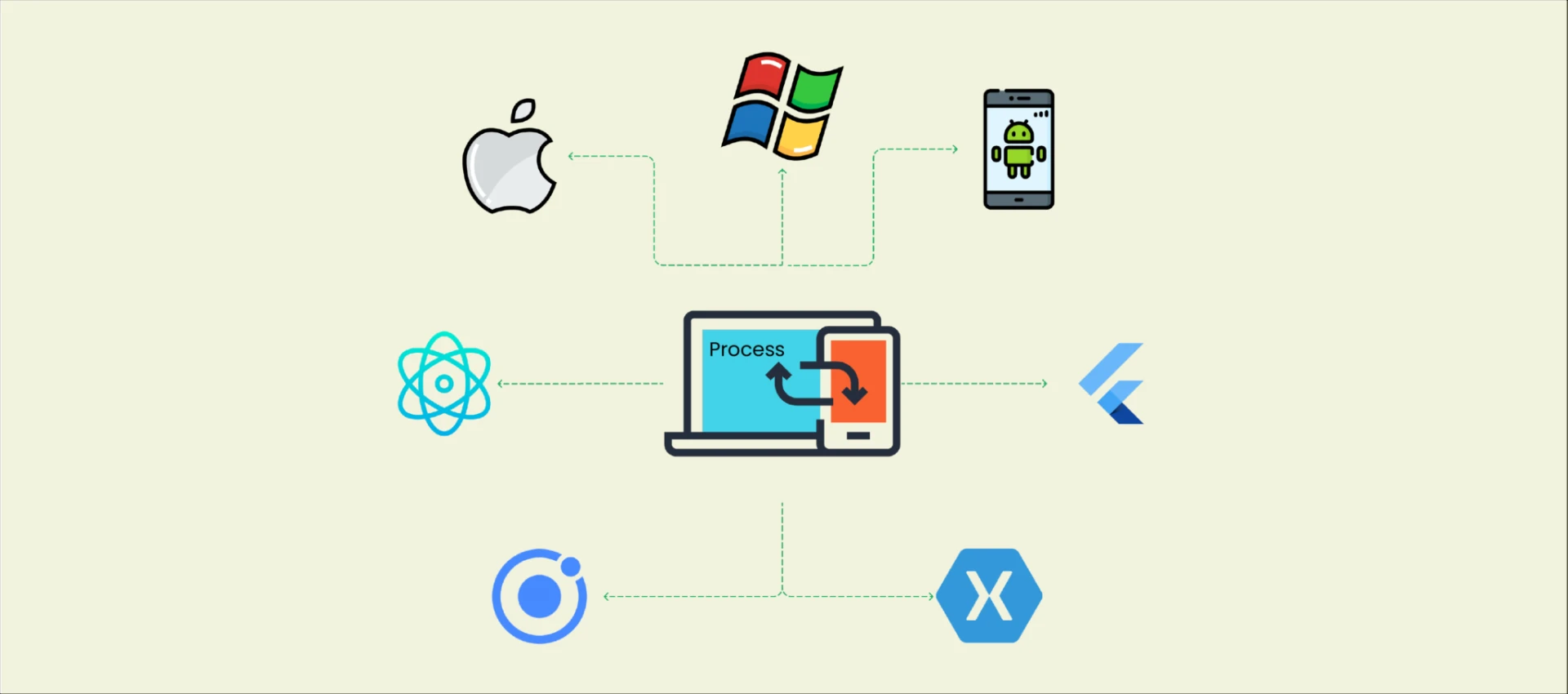

In the ever-evolving landscape of technology, the Internet of Things (IoT) has emerged as a transformative force, reshaping industries and enhancing our daily lives. At its core, IoT involves the interconnection of various devices, sensors, and systems through the internet, enabling them to communicate and collaborate seamlessly. One of the most impactful aspects of IoT is its application in the development of smart and connected experiences through IoT Application Development Companies. This article delves into the essentials of IoT app development, exploring how developers can create intelligent, user-centric applications that harness the power of IoT.
Understanding the Foundation: IoT Ecosystem
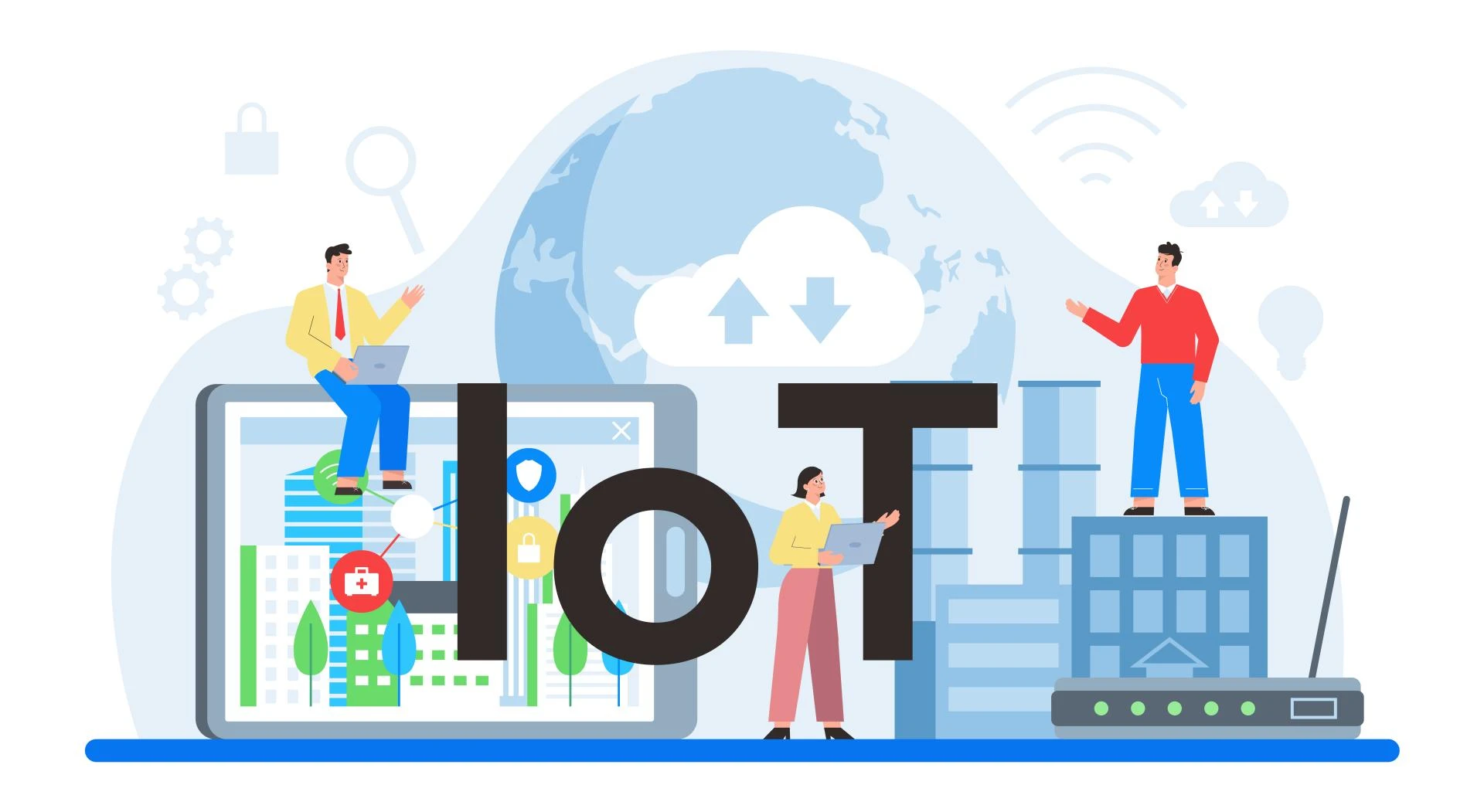
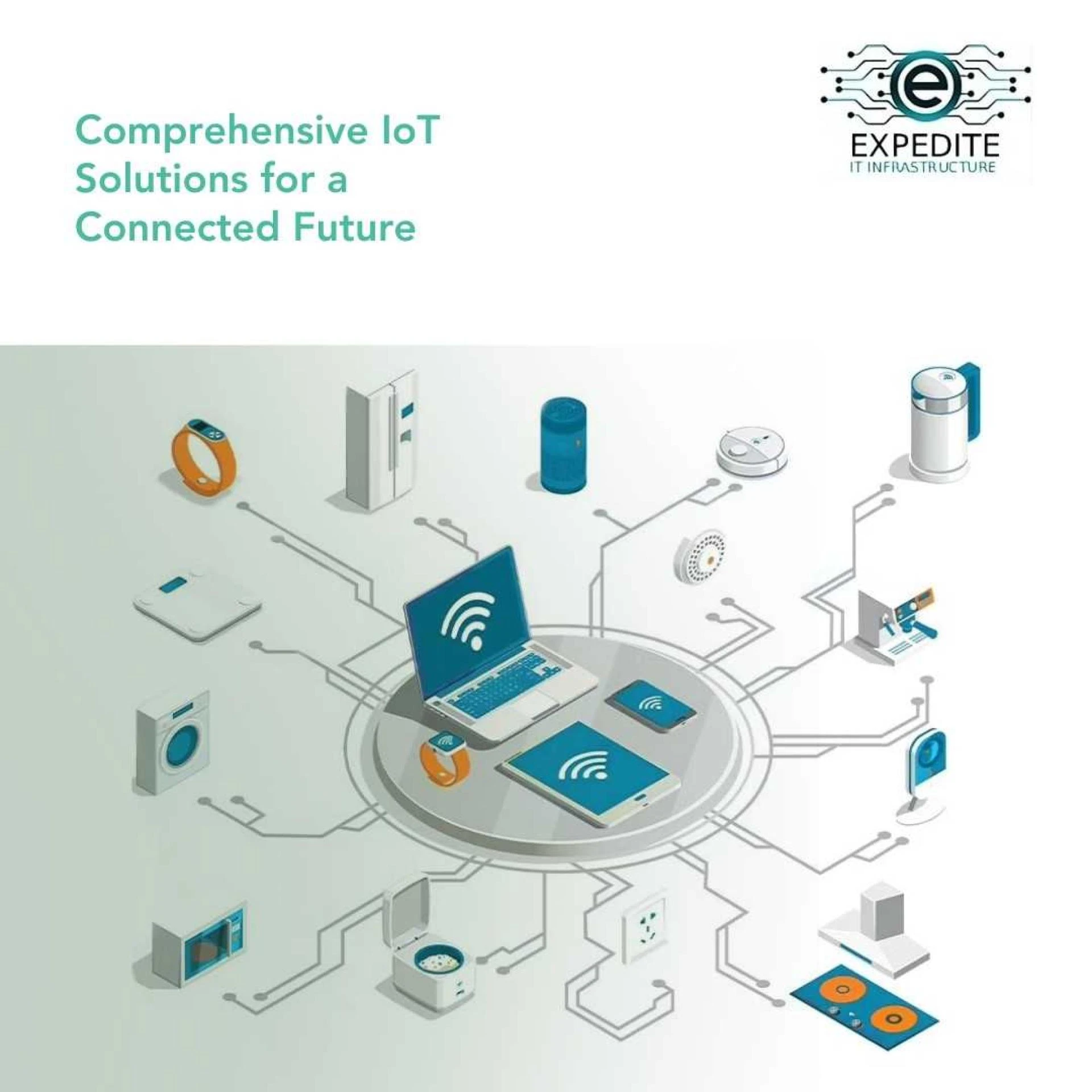
Before delving into IoT app development, it's crucial to understand the components of the IoT ecosystem. This ecosystem comprises interconnected devices, data centers, cloud platforms, communication protocols, and software applications. Devices equipped with sensors collect data, which is transmitted to the cloud for processing and analysis. This processed data is then used to derive insights, make informed decisions, and trigger actions.
Key Considerations in IoT App Development:
Device Compatibility and Integration: Successful IoT app development hinges on the ability to seamlessly integrate various devices and sensors. This requires careful consideration of device compatibility, communication protocols (such as MQTT, CoAP, and HTTP), and APIs. Developers must ensure that the app can interact with a wide array of devices, from wearables and smart home devices to industrial machinery.
Data Security and Privacy: Security is paramount in IoT app development, given the sensitivity of the data being collected and transmitted. Implementing end-to-end encryption, secure authentication mechanisms, and regular security audits helps safeguard user data and maintain privacy.
Scalability and Performance: IoT ecosystems can quickly expand to accommodate a massive number of devices. Therefore, IoT apps must be designed with scalability in mind. Cloud-based solutions and efficient data processing techniques are essential to maintain optimal performance as the system grows.
Real-time Data Processing: Many IoT applications require real-time data processing to enable timely decision-making and actions. Edge computing, where data is processed closer to the source rather than in a centralized cloud, can significantly reduce latency and enhance app responsiveness.
User Experience (UX) Design: IoT apps should provide intuitive user experiences, considering the unique nature of IoT interactions. The interface should be user-friendly, presenting data and insights in a clear and easily understandable manner. Personalization features can enhance user engagement.
Data Analytics and Insights: IoT generates vast amounts of data, which can be leveraged to gain insights and improve operational efficiency. Incorporating analytics tools and visualization dashboards into IoT apps empowers users to make informed decisions based on real-time data trends.
Energy Efficiency: Many IoT devices operate on limited power sources such as batteries. Therefore, optimizing energy consumption is vital to prolong device life. IoT app developers should focus on optimizing data transmission frequency, implementing sleep modes, and using efficient algorithms.
Regulatory Compliance: Depending on the industry and geographical location, IoT apps may need to adhere to specific regulations and standards. Developers should be aware of these requirements and ensure that their apps are compliant.
Steps in IoT App Development:
Conceptualization and Planning: Define the app's purpose, target audience, and desired features. Plan the device-sensor-cloud architecture, communication protocols, and data flow.
Prototyping: Create a prototype to visualize the user interface, data flow, and overall functionality. This helps in refining the app's concept and identifying potential challenges early on.
Hardware Integration: Integrate various IoT devices and sensors into the app's framework. Implement the required communication protocols and APIs for seamless data exchange.
Data Management and Cloud Integration: Design the data storage and management strategy. Integrate cloud platforms for data processing, storage, and analytics.
User Interface Design: Develop an intuitive and user-friendly interface that accommodates both real-time data and historical insights. Prioritize simplicity and clarity.
Backend Development: Build the backend infrastructure for data processing, authentication, security, and user management. Ensure scalability to accommodate growing user bases.
Testing: Rigorously test the app for functionality, security, compatibility, and performance. Address any bugs or issues that arise during testing.
Deployment and Maintenance: Deploy the app to relevant app stores or distribution platforms. Continuously monitor and maintain the app, applying updates, security patches, and improvements as necessary.
Conclusion:
IoT app development is at the forefront of creating innovative, connected experiences that leverage the power of interconnected devices and data. By considering device compatibility, data security, scalability, real-time processing, user experience, analytics, energy efficiency, and compliance, developers can create IoT apps that seamlessly integrate with our modern lives. As IoT continues to reshape industries and drive technological advancement, mastering the essentials of IoT app development becomes essential for building a smarter and more connected future.



Sign in to leave a comment.