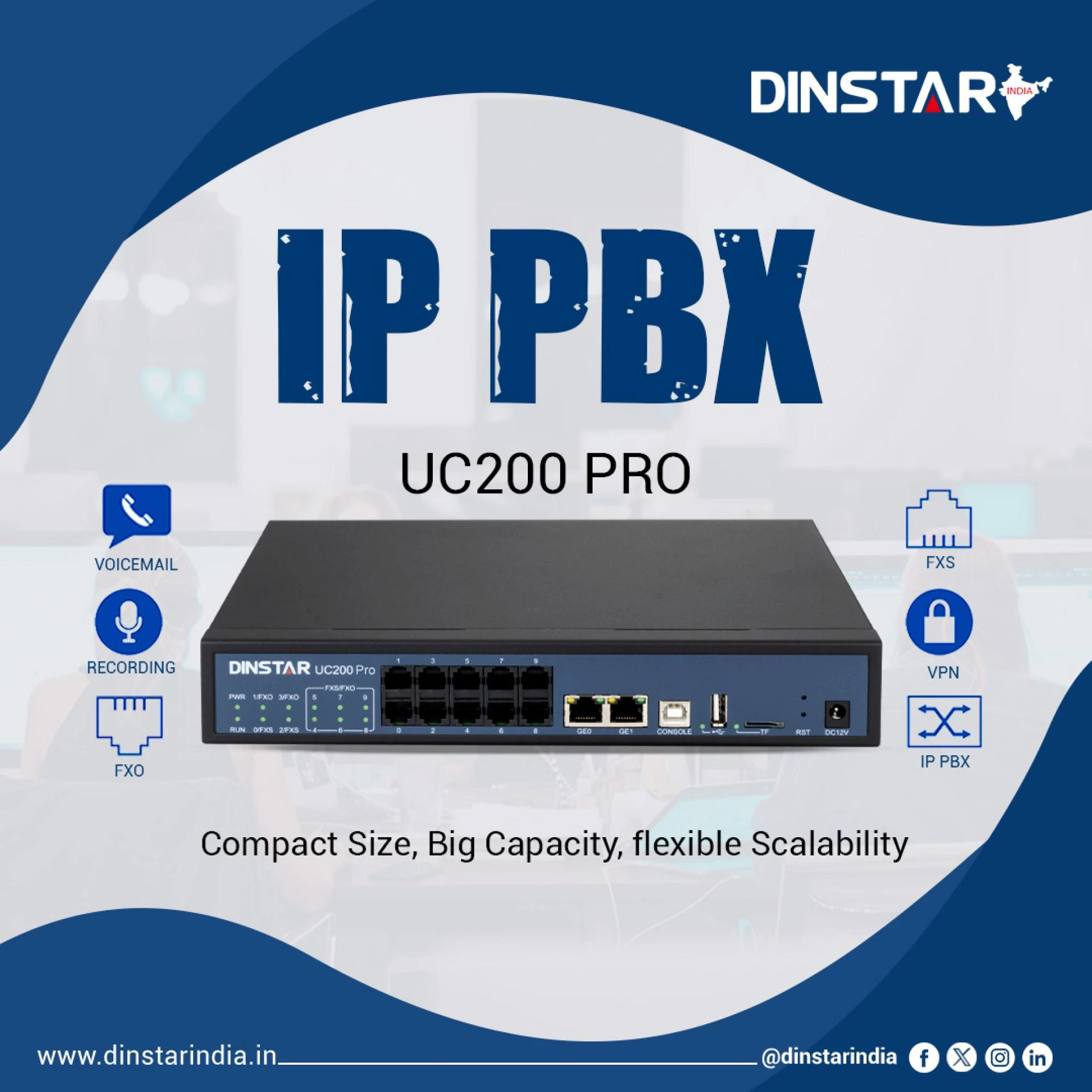
In the world of modern business, communication plays a pivotal role in ensuring seamless operations and growth. Traditional phone systems are slowly becoming a thing of the past, making way for more advanced solutions. One such solution is the IP PBX (Internet Protocol Private Branch Exchange), which is revolutionizing the way businesses manage their communications.
In this blog, we will explore the concept of IP PBX, its advantages, features, and how it is transforming communication systems for businesses of all sizes.
What is an IP PBX?
An IP PBX is a business communication system that uses internet protocol (IP) to manage voice calls, video calls, and other communication types within an organization. Unlike traditional PBX systems that rely on analog phone lines, an IP PBX leverages your company’s existing internet infrastructure to handle voice and data transmissions.
In essence, an IP PBX combines telephony with modern internet technologies to provide a more flexible, cost-effective, and feature-rich communication solution. By using VoIP (Voice over Internet Protocol), IP PBX enables businesses to make calls over the internet rather than traditional phone lines.
How Does IP PBX Work?
An IP PBX works by routing communication between devices like telephones, computers, and mobile devices using internet protocols. It connects to a company’s local area network (LAN) or wide area network (WAN) and uses internet service providers (ISPs) to handle the data transmission.
When a call is placed from an IP-enabled device, the IP PBX system converts the voice signal into data packets that are sent over the internet. The call is then routed to the recipient's device, which converts the data back into voice signals. This process allows for clear and high-quality calls, even over long distances, without the limitations of traditional phone systems.
Key Features of IP PBX
IP PBX systems offer a wide range of features that enhance business communication. Some of the most important features include:
- Call Forwarding: This feature enables calls to be forwarded to another device, such as a mobile phone or another extension, ensuring no call goes unanswered.
- Voicemail to Email: Voicemails can be automatically converted into audio files and sent to users' email inboxes, making it easier to check and manage messages.
- Conference Calling: IP PBX systems allow multiple users to participate in a conference call, making team collaboration easy and effective.
- Automated Attendant: An automated attendant provides a professional greeting and routes incoming calls to the appropriate department or individual, ensuring a smooth customer experience.
- Call Queuing: This feature places incoming calls in a queue and distributes them to available agents, reducing wait times for customers.
- Call Analytics: IP PBX systems can generate detailed reports about call volume, duration, missed calls, and more, providing businesses with insights to improve their communication strategies.
- Integration with CRM: Many IP PBX systems integrate with customer relationship management (CRM) tools, allowing businesses to track customer interactions and improve service delivery.
Benefits of IP PBX for Businesses
Adopting an IP PBX system can bring numerous benefits to a business, ranging from cost savings to increased efficiency. Let’s take a closer look at the key advantages:
- Cost Savings: One of the biggest advantages of IP PBX is the cost savings it offers. Traditional phone systems often involve high installation and maintenance costs, as well as expensive long-distance charges. IP PBX, on the other hand, uses the internet for communication, which significantly reduces costs. Businesses can also take advantage of VoIP to make cheap or even free calls to international destinations.
- Scalability: As your business grows, so does the need for more phone lines and extensions. Traditional PBX systems can be costly and difficult to scale. IP PBX systems, however, can easily accommodate new users and devices without the need for expensive hardware upgrades.
- Flexibility and Mobility: IP PBX systems allow employees to work from anywhere, as long as they have an internet connection. This is especially beneficial for remote teams or employees who travel frequently. Calls can be routed to mobile devices or home offices, providing more flexibility in how and where employees communicate.
- Easy Integration with Other Systems: IP PBX can be easily integrated with other communication tools and software, including email, chat, and video conferencing platforms. This integration helps streamline communication and ensures that all systems work together seamlessly.
- Advanced Features: IP PBX systems come with advanced features that are typically not available with traditional phone systems. These features improve customer service, increase employee productivity, and enhance overall communication efficiency.
- Improved Communication Quality: With a robust internet connection, IP PBX systems deliver superior voice quality compared to traditional phone systems. The clarity of voice calls, video conferencing, and data transfer is significantly better, resulting in a smoother communication experience.
IP PBX vs. Traditional PBX
While both IP PBX and traditional PBX systems serve the same purpose—facilitating internal and external communications—there are key differences between the two:
- Cost: Traditional PBX systems require expensive hardware, such as physical phone lines and switching equipment. In contrast, IP PBX uses the internet and software-based solutions, which significantly reduces costs.
- Scalability: Traditional PBX systems often require costly hardware upgrades to accommodate additional lines. IP PBX systems, however, can scale quickly and easily by adding new software or devices.
- Flexibility: IP PBX systems allow users to make calls from any location with an internet connection, whereas traditional PBX systems require physical phone lines, limiting flexibility.
- Maintenance: Traditional PBX systems typically require ongoing maintenance and repair of physical hardware. IP PBX, being software-based, is easier to maintain and update.
- Advanced Features: While traditional PBX systems are limited in terms of features, IP PBX systems offer a wide range of advanced functionalities, such as voicemail to email, call analytics, and CRM integration.
Why Businesses Should Consider Switching to IP PBX
In today’s fast-paced business environment, communication is key. Businesses need a communication system that is flexible, cost-effective, and scalable. An IP PBX system offers all of these benefits and more. Whether you are a small startup or a large corporation, an IP PBX solution can help streamline your operations and improve communication efficiency.
Switching to IP PBX enables businesses to future-proof their communication systems, reduce costs, and enhance collaboration. With the rise of remote work and the increasing reliance on cloud technologies, now is the perfect time to embrace IP PBX and take advantage of its numerous benefits.
Conclusion
An IP PBX system is a modern, cost-effective, and flexible solution for managing business communications. It offers a wide range of features that enhance collaboration, improve customer service, and provide detailed analytics to optimize performance. Whether you are looking to reduce costs, improve communication quality, or scale your operations, an IP PBX system can help you achieve your goals. As businesses continue to embrace digital transformation, the move to IP PBX is a natural step forward in the evolution of business communication.






























Sign in to leave a comment.