
Introduction
Iron ore mining is a critical component of the global mining industry and the global economy. Iron ore, a key raw material for steel production, drives infrastructure and industrial development worldwide. Understanding the dynamics of the iron ore mining market is essential for stakeholders across various industries, from construction to manufacturing.
What is Iron Ore?
Iron ore is a natural mineral formation containing iron compounds from which metallic iron can be economically extracted. It consists mainly of iron oxides such as magnetite (Fe3O4) and hematite (Fe2O3). These minerals are mined for their high iron content, which is crucial for steel production.
Types of Iron Ore
- Magnetite: Contains about 72% iron and is magnetic.
- Hematite: Contains about 70% iron and is the most commonly mined type.
- Limonite: Contains about 60% iron and is brown or yellow in color.
- Siderite: Contains about 48% iron and often found in sedimentary rocks.
History of Iron Ore Mining
The history of iron ore mining dates back to ancient civilizations, where it was used to create tools and weapons. The Industrial Revolution significantly boosted iron ore mining, as the demand for steel surged with the growth of railways, ships, and buildings. Today, iron ore mining is a global industry with modern technologies that increase efficiency and productivity.
Global Distribution of Iron Ore Deposits
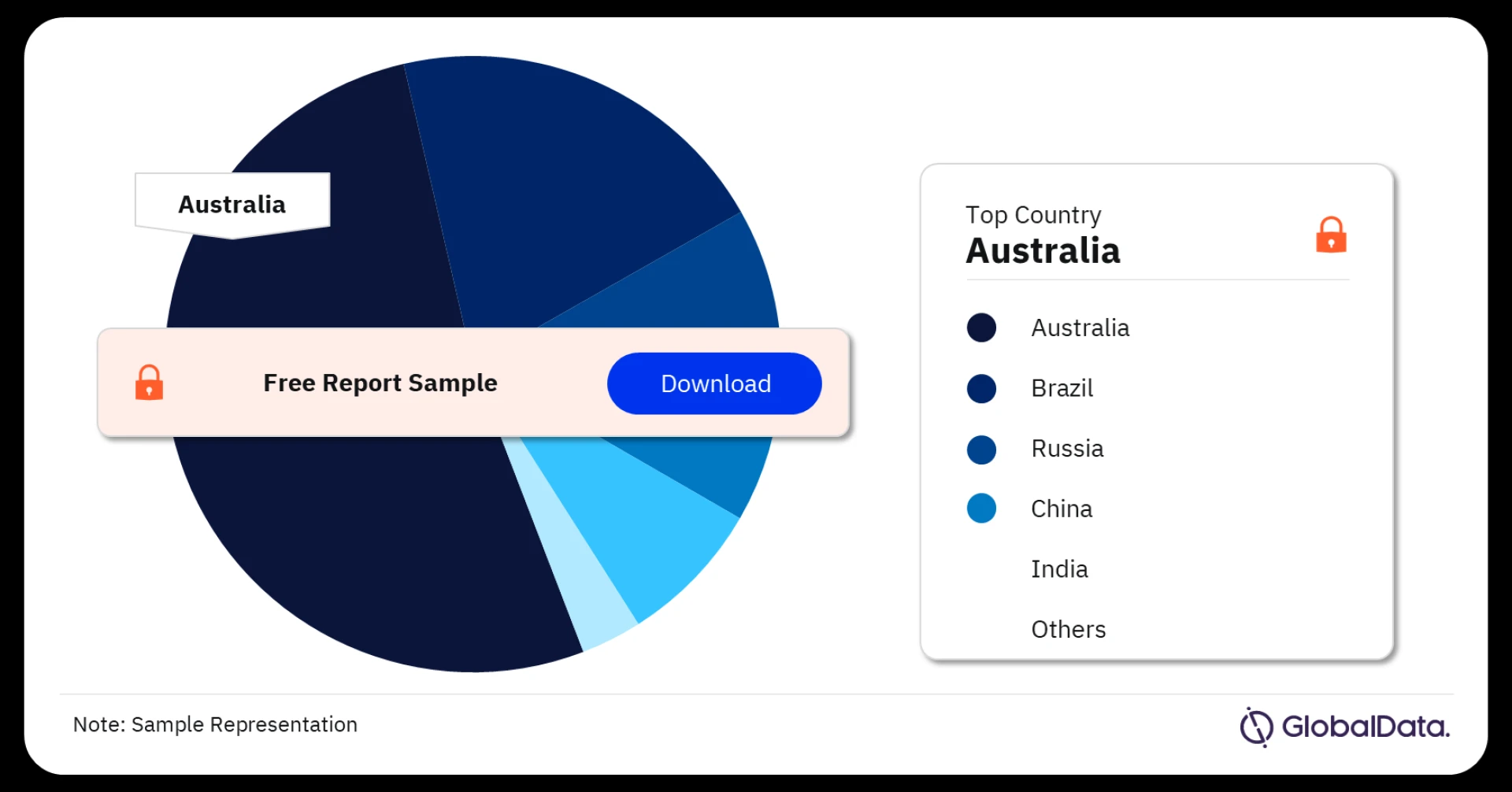
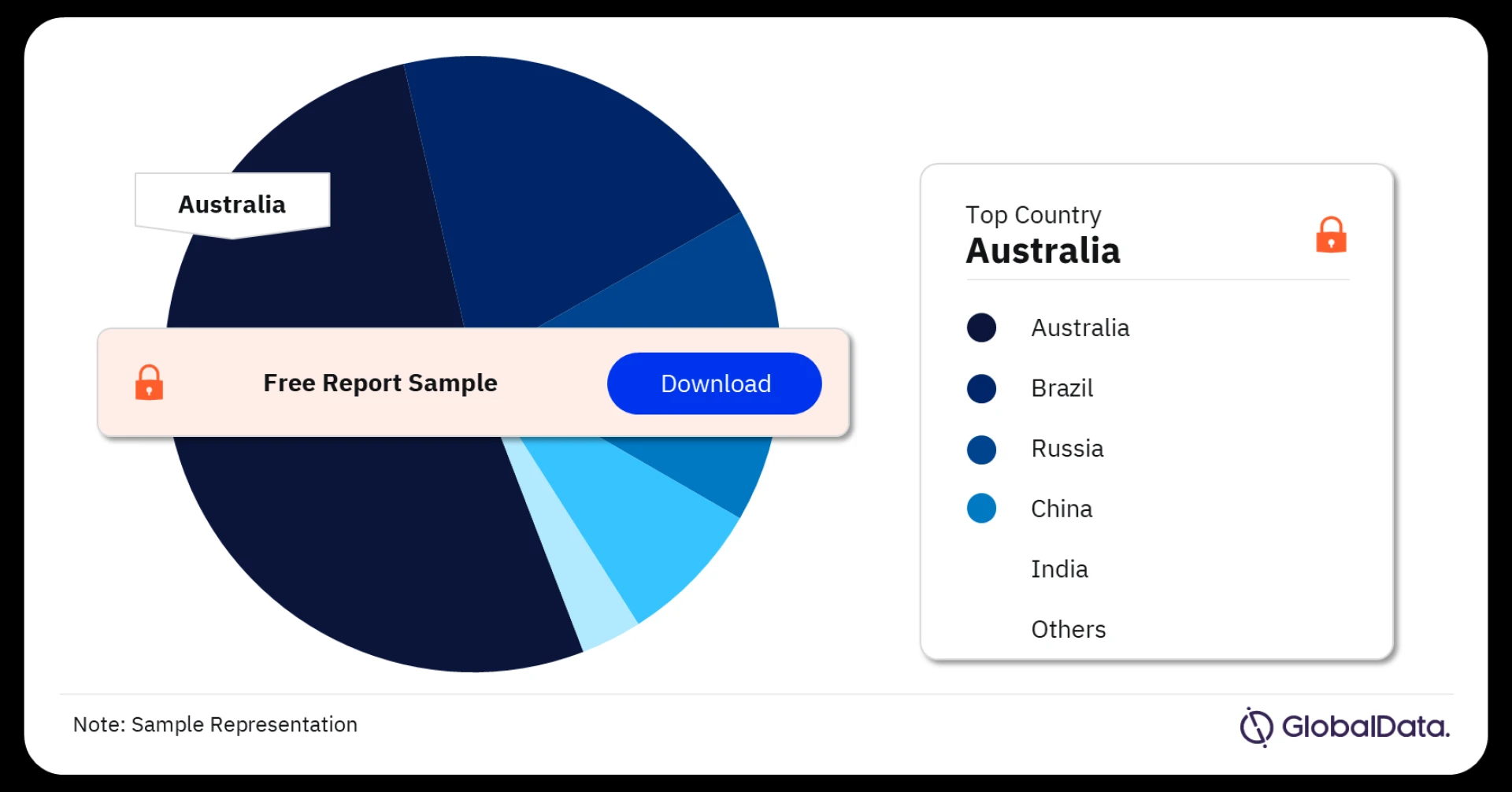
Iron ore deposits are widely distributed across the globe, with major producing countries including Australia, Brazil, China, and India. Australia and Brazil are the largest exporters, while China is the largest consumer due to its extensive steel manufacturing industry.
Methods of Iron Ore Mining
Surface Mining Techniques
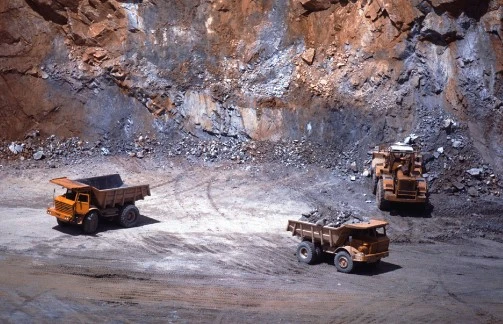
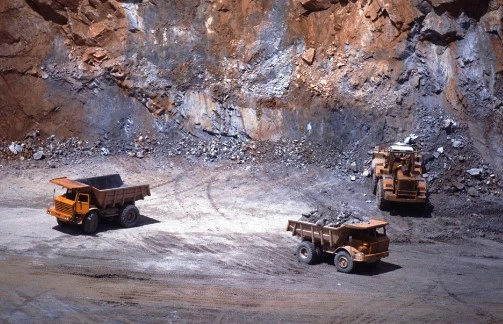
- Open-pit Mining: The most common method, involving the removal of surface layers to access ore.
- Strip Mining: Similar to open-pit, but typically used for softer minerals.
Underground Mining Techniques
- Room and Pillar Mining: Involves carving out rooms in the ore deposit, leaving pillars to support the roof.
- Sub-level Caving: Ore is blasted and collected from sub-levels created within the ore body.
Environmental Impact of Iron Ore Mining
Mining operations significantly impact the environment. Land degradation occurs due to excavation and waste disposal. Water pollution results from the release of chemicals and sediments into nearby water bodies. Air pollution arises from dust and emissions from mining equipment and transportation.
Economic Impact of Iron Ore Mining
Iron ore mining contributes to economic development by creating jobs and boosting local economies. It significantly adds to the GDP of mining regions and stimulates regional economic development through infrastructure and community investment.
Technological Advancements in Iron Ore Mining
Modern technologies are transforming iron ore mining. Automation and robotics enhance operational efficiency and safety. Sustainable mining technologies aim to reduce environmental impact, such as using renewable energy sources and recycling water.
Challenges in the Iron Ore Mining Market
The industry faces several challenges, including stringent environmental regulations, market volatility affecting iron ore prices, and infrastructure issues such as transportation bottlenecks.
Iron Ore Market Trends
The iron ore market is influenced by global demand for steel, economic conditions, and geopolitical factors. Current trends include a focus on sustainable mining practices and technological innovation. Future projections indicate steady demand driven by infrastructure development, especially in emerging economies.
Key Players in the Iron Ore Mining Market
The iron ore mining market is dominated by major companies like BHP, Rio Tinto, and Vale. Emerging players are also making significant contributions, driven by the demand for high-quality iron ore and advancements in mining technology.
Supply Chain of Iron Ore
The supply chain encompasses extraction, processing, and transportation. Iron ore is typically processed into pellets or sinter before being shipped to steel mills. Efficient logistics and transportation networks are crucial for timely delivery and maintaining market competitiveness.
Iron Ore Prices and Market Dynamics
Iron ore prices are influenced by factors such as supply and demand, production costs, and geopolitical events. Historical trends show periods of volatility, with prices peaking during high demand and dropping during oversupply.
Iron Ore and Steel Industry
Iron ore is the primary raw material for steel production. The steel industry drives the demand for iron ore, as steel is essential for construction, automotive, and manufacturing industries. The close relationship between these industries impacts market dynamics and pricing.
Future Outlook for Iron Ore Mining
The future of iron ore mining looks promising, with potential growth in areas like automation, sustainability, and new mining sites. Long-term forecasts suggest steady demand, particularly from developing nations investing in infrastructure and industrialization.
Conclusion
The iron ore mining market plays a vital role in the global economy, driven by the demand for steel and ongoing infrastructure development. While facing environmental and regulatory challenges, the industry is evolving with technological advancements and sustainable practices. Understanding market trends, key players, and future outlook helps stakeholders navigate this dynamic sector.
Buy the Full Report for More Insights into the Global Iron Ore Market Forecast, Download A Free Report Sample

Sign in to leave a comment.