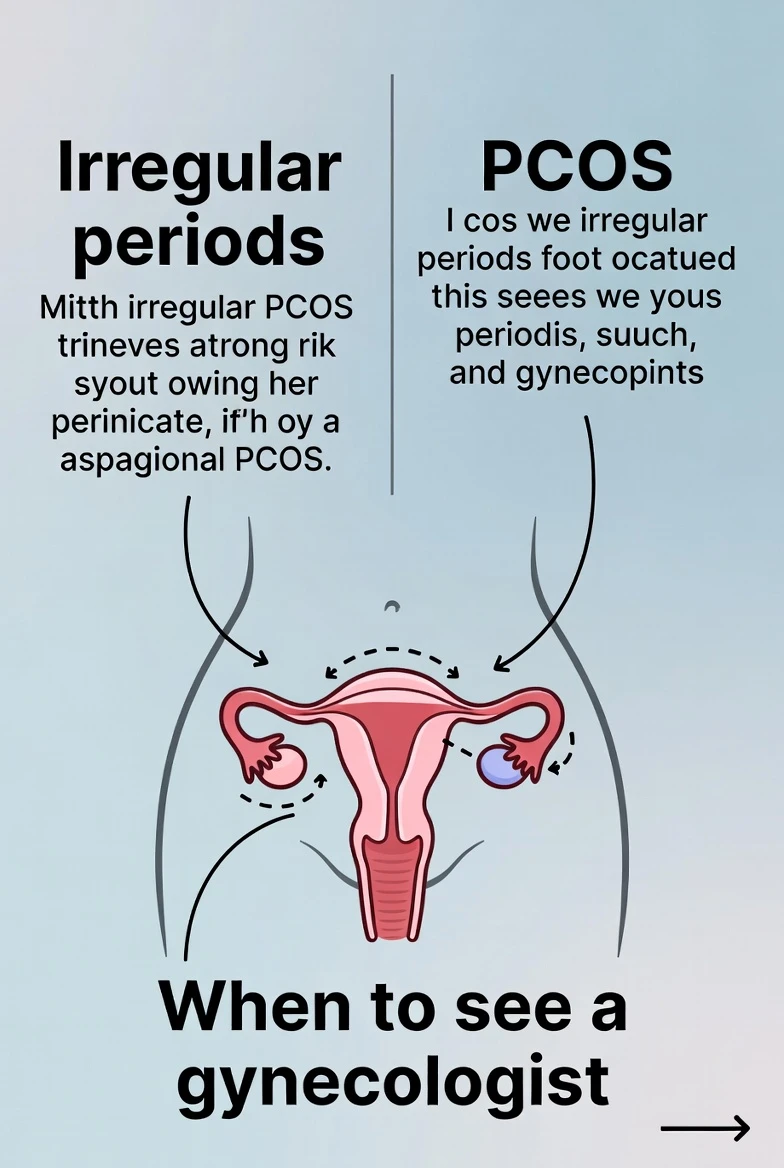
For many women, the menstrual cycle is a monthly "health report card." When that report arrives late, missing, or unpredictable, it can be a source of anxiety and confusion. While an occasional missed period can be caused by stress or travel, persistent irregularity is often the body’s way of signaling an underlying hormonal imbalance.
PCOS is not just about missed periods; it is a complex endocrine condition that affects millions of women worldwide. According to recent health data, the prevalence of PCOS in India is rising, with estimates suggesting it affects nearly 1 in 5 women of reproductive age. In specific demographics, such as urban populations in West Bengal, studies indicate even higher rates due to lifestyle shifts and genetic predispositions.
This article explores the critical link between irregular cycles and PCOS, identifying exactly when you should stop guessing and start consulting a medical professional.
The "Normal" vs. The "Irregular" Cycle
To understand when things are wrong, we must first establish what is "right" for your body. A standard menstrual cycle lasts between 21 and 35 days, counting from the first day of one period to the first day of the next.
What Counts as an Irregular Period?
Medical professionals generally classify a cycle as irregular if:
- The cycle length varies significantly: The gap between periods changes by more than 7–9 days from month to month.
- The cycle is too short: Occurring more frequently than every 21 days (Polymenorrhea).
- The cycle is too long: Occurring less frequently than every 35 days (Oligomenorrhea).
- Missed periods: Going more than 90 days without a period (Amenorrhea), assuming you are not pregnant or menopausal.
Connecting the Dots: How PCOS Disrupts Your Flow
PCOS disrupts the delicate hormonal communication between the brain and the ovaries. In a healthy cycle, a hormone surge triggers the release of an egg (ovulation). In women with PCOS, higher-than-normal levels of androgens (male hormones like testosterone) and high levels of insulin interfere with this signal.
Instead of releasing an egg, the ovary may develop many small, fluid-filled sacs (follicles) that get "stuck." Without ovulation, the body does not produce the progesterone needed to trigger a regular period. The lining of the uterus continues to build up without shedding, leading to skipped periods or, eventually, heavy and prolonged bleeding when the period finally arrives.
Beyond the Calendar: Other Warning Signs of PCOS
Irregular periods are rarely the only symptom. PCOS is a systemic condition, meaning it affects the whole body. You should consider booking an appointment if your menstrual issues are accompanied by:
1. Hyperandrogenism (Physical Signs of Excess Hormones)
- Hirsutism: Dark, coarse hair growth on the face (chin, upper lip), chest, or back. Studies show that up to 70% of women with PCOS experience this.
- Adult Acne: Cystic acne that persists well past puberty, particularly along the jawline, which is resistant to standard dermatological treatments.
- Hair Thinning: Male-pattern balding or noticeable thinning at the crown of the head.
2. Metabolic Struggles
- Unexplained Weight Gain: Gaining weight without a change in diet, or extreme difficulty losing weight despite effort. This is often linked to insulin resistance, which affects approximately 70-80% of women with PCOS.
- Acanthosis Nigricans: Dark, velvety patches of skin appearing on the back of the neck, armpits, or groin—a classic sign of high insulin levels.
Why Waiting is Risky: The Long-Term Health Impact
Ignoring irregular periods can lead to complications that extend far beyond reproductive health. Authentic medical data highlights several long-term risks associated with untreated PCOS:
- Endometrial Cancer: Women with PCOS who have fewer than four periods a year are at a higher risk for endometrial cancer. Without regular shedding, the uterine lining is exposed to estrogen for too long, which can lead to abnormal cell changes.
- Cardiovascular Disease: Due to the link with insulin resistance and high cholesterol, women with PCOS have a higher risk of heart disease and stroke later in life.
- Type 2 Diabetes: More than half of women with PCOS develop Type 2 diabetes by age 40.
Diagnosis and Management: What to Expect
When you visit a specialist, they will typically follow the Rotterdam Criteria for diagnosis, which requires two of the following three features:
- Irregular periods (Oligovulation/Anovulation).
- High androgen levels (shown via blood test or visible symptoms like hirsutism).
- Polycystic ovaries visible on an ultrasound.
Treatment Pathways
Treatment is not "one size fits all." It is tailored to your goals:
- For Cycle Regulation: Hormonal birth control pills are often prescribed to thin the uterine lining and prevent cancer risk.
- For Fertility: Medications like Letrozole or Clomiphene are used to induce ovulation.
- For Metabolic Health: Insulin-sensitizing drugs like Metformin and rigorous lifestyle modifications (diet and strength training) are the first line of defense.
Seeking Specialized Care: Gynecology Treatments in Kolkata
For women living in Eastern India, accessing specialized care is vital. The prevalence of PCOS in West Bengal is notable, and genetic factors unique to the region often result in a "lean PCOS" phenotype or severe insulin resistance.
Fortunately, the medical infrastructure has evolved significantly. Gynecology Treatments in Kolkata now encompass a multidisciplinary approach. Leading hospitals and clinics in the city (such as those in Alipore, Salt Lake, and along the EM Bypass) are moving away from simple symptom suppression. Instead, they are adopting comprehensive care models that include:
- Reproductive Endocrinology: specialized testing for detailed hormonal profiling.
- Advanced Imaging: High-resolution transvaginal ultrasounds for accurate ovarian assessment.
- Holistic Management: Collaboration between gynecologists, nutritionists, and dermatologists to treat the root cause rather than just the symptoms.
Whether you are seeking fertility support or long-term management of hormonal health, the expertise available in Kolkata allows for world-class diagnosis and treatment plans tailored to the specific needs of Indian women.
Conclusion
Irregular periods are your body's way of asking for help. While a diagnosis of PCOS can feel overwhelming, it is a highly manageable condition. The key lies in early detection and a proactive partnership with your healthcare provider.
Do not dismiss your symptoms as "just the way I am." If your cycle is telling you something is off, listen to it. By seeking timely medical advice and leveraging the advanced Gynecology Treatments in Kolkata, you can restore your hormonal balance, protect your long-term health, and take control of your story.


























Sign in to leave a comment.