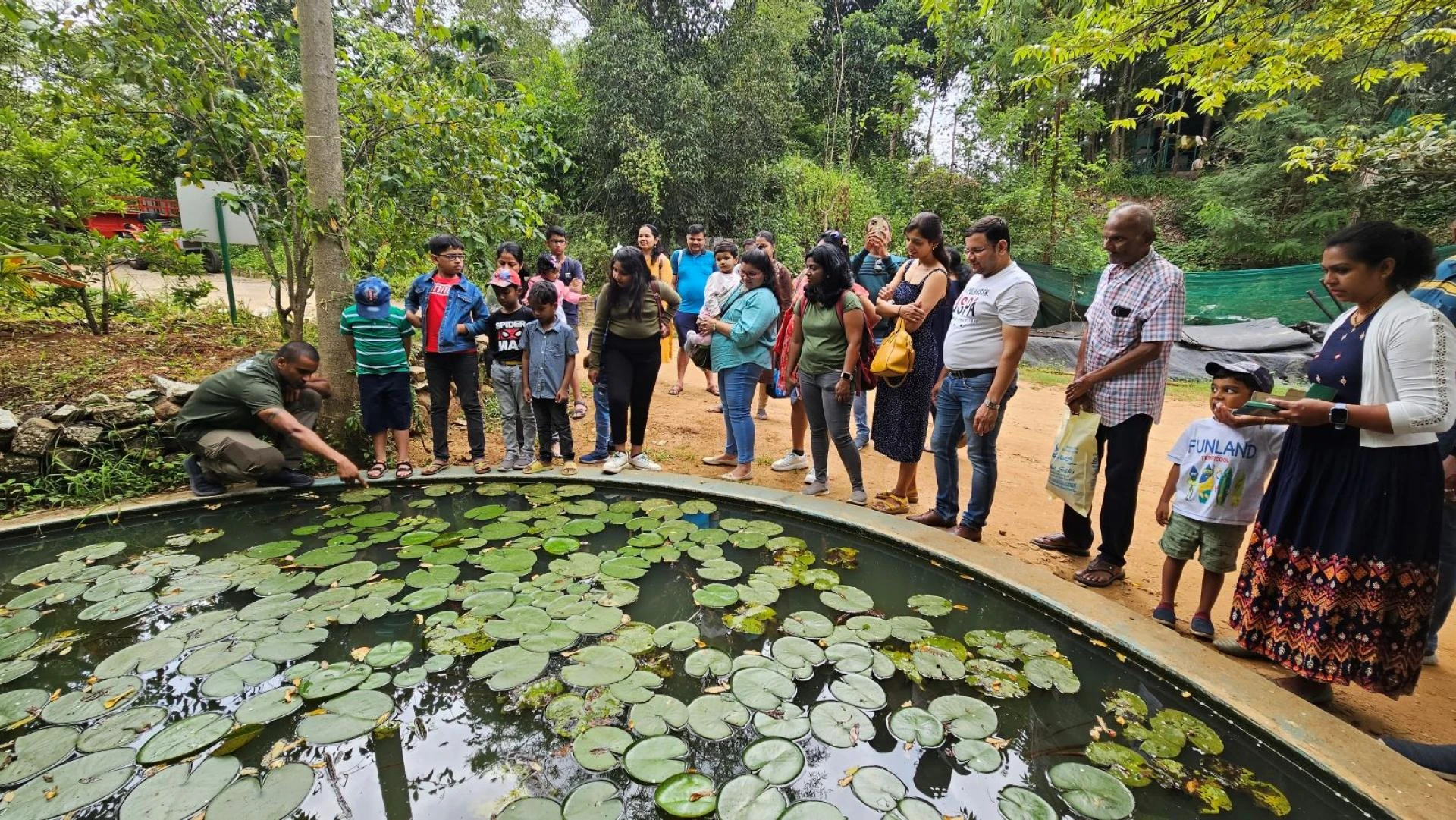
Farming day outings are a fantastic way to reconnect children with nature, agriculture, and the food production process. For toddlers, however, the question remains: Is a farming day outing suitable for their age group? While toddlers may be more familiar with toys, cartoons, and urban life, there are numerous educational and hands-on experiences they can enjoy on a farm. In fact, introducing toddlers to farming at an early age can have long-term benefits that extend beyond the farm visit itself.
This blog delves into why a farming day outing is not only suitable but also incredibly valuable for toddlers. We will explore how a farm visit can engage their senses, foster learning, and help them better understand where their food comes from. Additionally, we’ll highlight the types of activities toddlers can enjoy, and why these outings provide such a rich educational experience for young children.
The Disconnect Between Toddlers and Agriculture
Today, children are often just one generation removed from agriculture. In urban areas, many children have little to no knowledge about farming and food production, often believing that food simply comes from a grocery store. Even in rural areas, farming knowledge is fading. It’s not uncommon for children to be unaware of where pickles come from, or to struggle with basic questions like, “Do you know where your eggs come from?”
Farm life and agriculture are essential to our daily lives, yet few children have the chance to engage with the farming process firsthand. A farming day outing, particularly to a place like Big Barn Farm, helps bridge this knowledge gap, creating an opportunity for toddlers to explore and experience the agricultural world in a way that is meaningful and engaging.
Why Should Toddlers Be Aware of Where Their Food Comes From?
Understanding where food originates is fundamental to helping children develop a sense of responsibility, empathy, and appreciation for agriculture. The quote, “What people do not understand or appreciate; what they do not value, they will not protect,” is particularly true when it comes to the environment and farming. Children who are taught about the food production process are more likely to understand its importance and contribute to sustainable living practices later in life.
Introducing toddlers to farms helps them build a connection with nature. As they observe and interact with animals and plants, they begin to develop a sense of wonder about the natural world. More importantly, they begin to value the role of agriculture in our daily lives and understand why it’s essential to protect local farms and support sustainable food systems.
The Sensory Experience of Farming for Toddlers
Toddlers are at a stage in their development where they learn primarily through sensory experiences. They explore the world by touching, tasting, smelling, and listening. A farm outing offers them a perfect opportunity to engage all their senses. This hands-on approach enhances learning and makes it more memorable.
1. Touching: Toddlers can feel the softness of a sheep’s wool or the warmth of a baby goat. They can also help with gardening, feeling the soil between their fingers as they plant seeds. Such experiences are tangible and create lasting memories.
2. Smelling: Farms offer a variety of smells—from fresh hay to the earthy scent of the soil and the aroma of blooming flowers. For toddlers, these smells are often novel and exciting, helping them connect with nature on a deeper level.
3. Tasting: Farms like Big Barn Farm often allow children to pick fruits and vegetables directly from the trees or garden. Tasting these fresh, organic produce items gives toddlers a true understanding of where their food comes from, beyond the packaged items they see at the grocery store.
4. Listening: The sounds of the farm are another important sensory experience for toddlers. From the sounds of animals clucking, mooing, and bleating to the gentle rustling of leaves in the breeze, these natural noises are both calming and intriguing for young children.
Activities Toddlers Can Enjoy on a Farm
Farm outings are not only educational—they’re also a lot of fun for toddlers. The following activities are typically included in farm visits, making them ideal for young children to experience:
1. Animal Interaction: Petting and Feeding
One of the most exciting aspects of a farming day outing for toddlers is the chance to interact with animals. Most farms allow children to feed and pet various farm animals such as goats, sheep, cows, and chickens. For toddlers, this provides an incredible hands-on experience, helping them develop a sense of empathy and a deeper understanding of animal care.
Feeding animals like baby goats or chickens can be an exhilarating experience for toddlers. Many farms also offer opportunities for children to milk cows or help with other farm chores, giving them a hands-on understanding of farm life.
2. Gardening and Planting
Farms often provide a chance for toddlers to dig into the soil, plant seeds, and learn about growing plants. This is a valuable learning experience, as it shows children how plants grow and where food comes from. Gardening activities are easy for toddlers to participate in, allowing them to take home their own planted seeds as a memory of the farm visit.
3. Tractor Rides
Tractor rides are another thrilling experience toddlers can enjoy on a farm. The gentle motion of the tractor and the opportunity to see the entire farm from a unique perspective make this activity both exciting and educational. While on the tractor, toddlers can observe the different fields, animals, and activities happening on the farm, sparking their curiosity about farm operations.
4. Playground and Trampolines
After engaging in various farm activities, toddlers can let off some steam at the farm’s playground or trampoline area. These outdoor play spaces allow children to engage in physical activity, helping them stay active and enjoy the fresh air.
5. Nature Walks
A gentle stroll through the farm’s nature trail can introduce toddlers to different plants, trees, and animals in a calm and peaceful setting. Walking through the farm helps children observe the natural surroundings and fosters a sense of curiosity about the environment. Toddlers can spot insects, birds, and flowers along the way, creating an interactive experience that engages their senses.
Big Barn Farm: A Perfect Place for Toddlers
Big Barn Farm is an ideal destination for toddlers, offering a variety of activities that cater to their developmental needs and interests. The farm focuses on providing a hands-on experience that is both fun and educational, allowing toddlers to learn about farming through direct interaction with animals and the environment.
Here are some of the key reasons why Big Barn Farm is perfect for toddlers:
1. Organic Farming Education
At Big Barn Farm, children are introduced to organic farming practices, which teach them about sustainability and eco-friendly farming methods. This is a great way for toddlers to start learning about the importance of food production and sustainability at an early age. They can help plant seeds, water the plants, and witness the growth process, creating a lifelong appreciation for nature and farming.
2. Volunteer Opportunities
Although toddlers may not be able to volunteer in the traditional sense, they can certainly participate in the farming activities in a playful, age-appropriate manner. They can help with feeding the animals, harvesting fruits, and participating in gardening. This gives them a sense of responsibility and a hands-on understanding of the work that goes into producing food.
3. Seasonal Fruit Picking
One of the most enjoyable activities for toddlers at Big Barn Farm is seasonal fruit picking. Depending on the time of year, children can pick fresh strawberries, apples, or other fruits directly from the trees or bushes. This not only gives toddlers a chance to taste fresh produce but also helps them understand where their food comes from.
4. Farm Animal Encounters
Big Barn Farm has a variety of friendly animals that toddlers can meet and interact with, including goats, cows, chickens, and even puppies. These animal encounters provide toddlers with a deeper understanding of how animals contribute to the farming process and how they are cared for.
5. Play Areas and Relaxation Spaces
In addition to the educational activities, Big Barn Farm also offers plenty of space for toddlers to play. The farm has designated play areas with swings, slides, and trampolines, giving toddlers a chance to run around, socialize with other children, and burn off some energy. There are also quiet spots where families can relax, read a book, and enjoy the peaceful farm surroundings.
The Educational Value of Farm Visits for Toddlers
Farm visits offer more than just a fun outing—they provide valuable educational experiences that can benefit toddlers in the long term. Here are some of the lessons toddlers can learn on a farm:
· Animal Care: Toddlers learn about the importance of animals on a farm and how they are cared for. They may also learn the basic needs of animals, such as feeding, grooming, and shelter.
· Food Production: Farm visits give toddlers the chance to see where their food comes from. Whether they’re picking fruits, learning about growing vegetables, or feeding animals that produce milk or eggs, they gain a deeper appreciation for the food they eat.
· Sustainability: Visiting an organic farm helps toddlers understand the concept of sustainability and why it’s important to protect the environment. They can observe eco-friendly farming practices and learn the significance of reducing waste and conserving natural resources.
· Cognitive and Social Development: Interacting with animals and participating in farm activities promotes cognitive development in toddlers. It also encourages social interaction with other children and adults, improving their communication and social skills.
FAQs:
1. What activities can toddlers participate in on a farm outing?
Toddlers can enjoy various activities on a farm, including feeding and petting animals, participating in gardening and planting, taking tractor rides, picking seasonal fruits, playing on playgrounds and trampolines, and going on nature walks. These hands-on activities help them connect with nature and learn about farming in an engaging way.
2. Are farm visits safe for toddlers?
Yes, farm visits are generally very safe for toddlers. Most farms, like Big Barn Farm, ensure that all activities are supervised by trained staff and that the environment is toddler-friendly. However, it’s always a good idea to follow any farm safety guidelines, such as staying with a guide, avoiding rough terrain, and being cautious around animals.
3. What are the benefits of a farming day outing for toddlers?
Farming day outings help toddlers develop sensory skills by engaging them in tactile (touch), visual (sight), auditory (sound), and even olfactory (smell) experiences. These outings foster an appreciation for animals, plants, and the food production process. Toddlers also gain a deeper understanding of sustainability, nature, and responsibility, which lays the foundation for environmental consciousness as they grow.
4. What should toddlers wear to a farm outing?
Toddlers should wear comfortable clothes that can get dirty, as farm activities often involve soil, plants, and animal interactions. Closed-toe shoes or boots are recommended to protect their feet when walking on uneven ground or interacting with animals. It’s also a good idea to dress them in layers, as farm outings can take place in varying weather conditions.
5. Is it okay for toddlers to interact with farm animals?
Yes, interacting with farm animals is one of the most enjoyable and educational activities for toddlers. Farms like Big Barn Farm have gentle, friendly animals like goats, chickens, and sheep that are accustomed to being around children. Toddlers can feed, pet, and observe these animals, learning about their role in farming and agriculture.
6. Can toddlers understand where their food comes from on a farm?
While toddlers may not fully comprehend the entire food production process, they can begin to understand the basics. A farm outing allows them to see firsthand where fruits, vegetables, and animal products like eggs and milk come from. By picking fruits, feeding animals, and helping with gardening, toddlers gain a simple yet meaningful understanding of how food is produced.
7. How long does a farm outing usually last for toddlers?
Farm outings typically last between 2 to 4 hours for toddlers, depending on the activities available and the attention span of the child. This timeframe is ideal for keeping toddlers engaged and excited without overwhelming them. It allows enough time for multiple activities, breaks, and meals while keeping the experience fun and educational.
8. What can toddlers learn about sustainability during a farm visit?
Toddlers can learn basic concepts of sustainability through activities such as organic gardening, picking seasonal fruits, and observing the eco-friendly practices used on the farm. They will see how the farm focuses on preserving natural resources, reducing waste, and fostering a healthy ecosystem. By seeing these practices in action, toddlers can begin to understand the importance of taking care of the environment.
9. Will toddlers be able to taste food during a farm outing?
Yes, farm outings often include opportunities for toddlers to taste fresh produce directly from the farm, such as strawberries, apples, or tomatoes. These fresh foods provide a direct connection to the farm-to-table process and are a fun and educational way for toddlers to experience food. This also introduces them to the idea that food comes from the earth, not just from a grocery store.
10. Can farm outings help toddlers with social development?
Absolutely! Farm outings are an excellent way for toddlers to interact with other children and adults. They can engage in group activities like animal feeding, gardening, and nature walks, which help develop social skills such as cooperation, sharing, and communication. Additionally, being around other children and adults gives toddlers the opportunity to practice manners and etiquette in a social setting.
11. Are there any age-specific activities for toddlers on a farm?
Many farms, including Big Barn Farm, offer age-appropriate activities for toddlers. These activities are designed to engage their senses and cater to their developmental needs. Toddlers may participate in simple tasks like petting animals, picking fruits, or helping with light gardening. These activities are gentle, fun, and educational, ensuring toddlers are involved in farm life without feeling overwhelmed.
12. Are farm outings suitable for toddlers with allergies or sensitivities?
If your toddler has allergies or sensitivities, it's essential to check with the farm beforehand to ensure the visit will be safe. Farms often have animals, plants, and other allergens, but many farms are equipped to accommodate children with allergies. For example, you might need to bring allergy medication, avoid certain areas, or make special arrangements for your toddler’s comfort.
Conclusion
A farming day outing is not only suitable for toddlers, but it also provides a rich, sensory-packed experience that benefits their growth and learning. By visiting a farm like Big Barn Farm, toddlers can develop a deeper understanding of agriculture, animals, food production, and sustainability. They’ll leave with a sense of wonder and appreciation for the natural world, making farm visits an essential part of early childhood education. Whether it’s feeding animals, planting seeds, or picking fruits, a farm outing gives toddlers the chance to learn through experience, creating lasting memories and valuable lessons.


























Sign in to leave a comment.