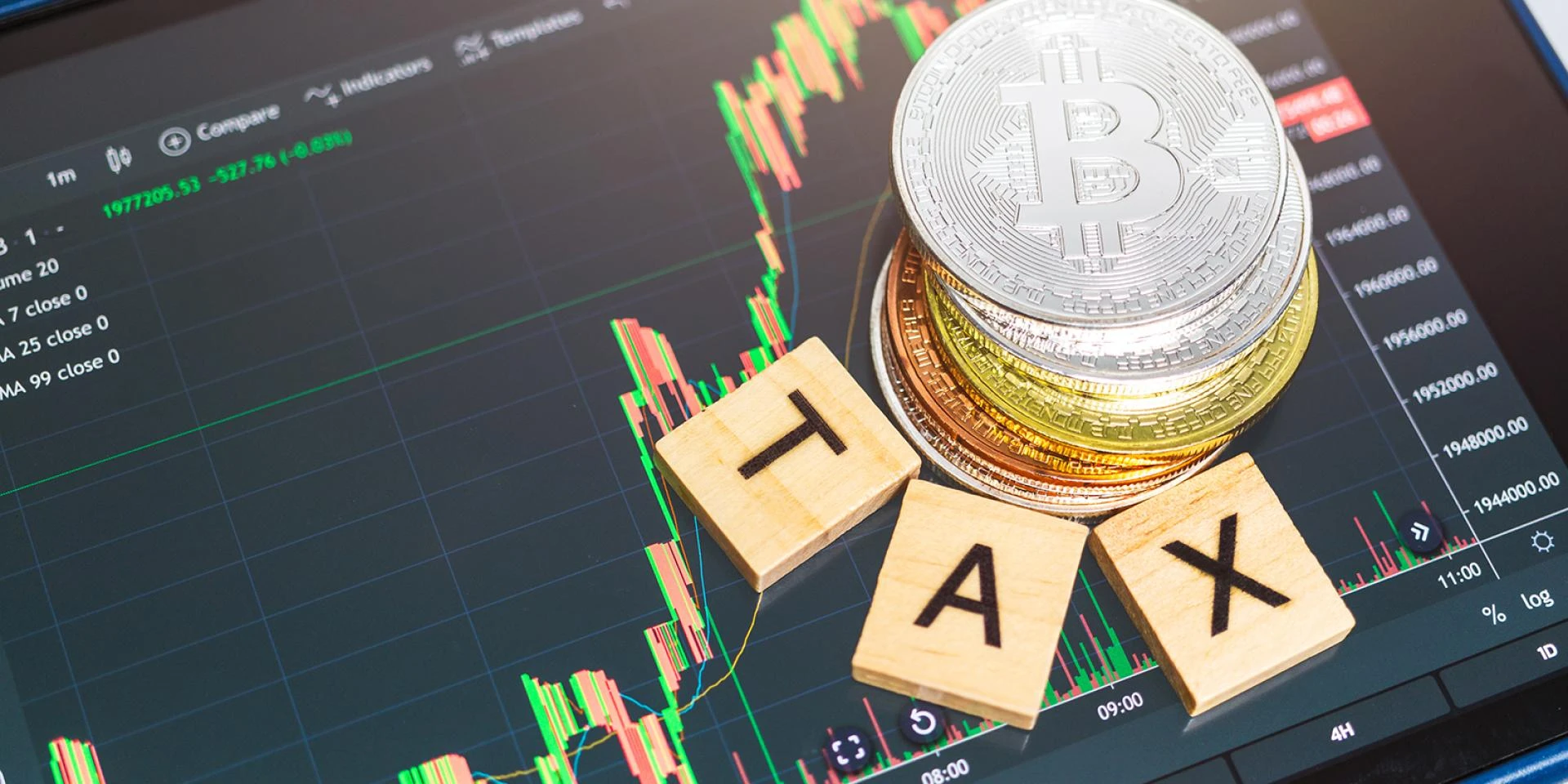

I’ve heard this question more times than I can count—“Do I have to pay tax just for buying crypto?” The short answer? No. But don’t get too comfortable. While buying itself isn’t taxed, what you do with your crypto later could trigger a bill from HMRC.
Let’s go over what’s taxable, how to avoid paying unnecessary tax on cryptocurrency in the UK, and when you might need a crypto tax advisor to help you out.
30-Second Summary
Thinking about buying crypto in the UK? Good news—just buying it isn’t taxable. But the moment you sell, trade, or use it, HMRC wants a cut.
This article breaks down when taxes apply, how much you might owe, and smart ways to reduce your tax bill legally. I’ll also share expert tips, common mistakes, and why working with a crypto tax accountant can save you time and stress.
Is Buying Cryptocurrency Taxable in the UK?
One of the biggest misconceptions about crypto taxation is that buying digital assets automatically triggers a tax bill. The reality is much simpler: if you’re only buying and holding crypto, there’s no tax to pay. HMRC doesn’t consider purchasing crypto to be a taxable event because you haven’t made any profit or income yet.
This means if you buy Bitcoin, Ethereum, or any other cryptocurrency with your own money and leave it sitting in your wallet, you won’t owe a penny in taxes. It doesn’t matter whether the price goes up or down while you hold—it’s only when you decide to sell, trade, or use your crypto that HMRC gets involved.
But before you breathe a sigh of relief, there are some exceptions where simply acquiring crypto could create a tax liability. If you received your cryptocurrency in certain ways, you might owe taxes right away.
When Buying Crypto Could Trigger Taxes
While a straightforward purchase isn’t taxable, there are situations where acquiring crypto does come with tax obligations. Here are the main ones:
1. Buying Crypto With Another Cryptocurrency
Let’s say you already own Bitcoin and decide to trade it for Ethereum. Even though you haven’t converted your crypto back into pounds, this swap is considered a taxable event. HMRC treats it the same way as selling Bitcoin for cash—meaning you need to calculate if you made a profit and report it.
For example, if you originally bought Bitcoin for £5,000 and later traded it for Ethereum when it was worth £8,000, you’ve technically made a £3,000 gain. That profit could be subject to Capital Gains Tax (CGT), depending on your tax-free allowance and other gains that year.
2. Getting Paid in Cryptocurrency
If your employer pays you in Bitcoin instead of cash, or if you earn crypto as a freelancer or contractor, HMRC treats this as income, just like a regular salary. This means you’ll need to pay Income Tax and National Insurance based on the value of the crypto at the time you received it.
The same rule applies if you receive crypto as payment for selling a product or service. Even if you never convert it to pounds, you still owe tax on its value the moment it lands in your wallet.
3. Mining and Staking Rewards
Earning crypto through mining or staking can also trigger an immediate tax bill. If you mine Bitcoin or receive staking rewards in Ethereum, those coins are treated as taxable income when they enter your wallet.
The exact tax treatment depends on whether you mine casually as a hobby or run a professional mining operation. If you’re mining on a large scale, HMRC might consider it a business, meaning you could also owe Self-Employment Tax on top of Income Tax.
4. Airdrops and Giveaways
If you receive free crypto through an airdrop or giveaway, it might be taxable depending on the circumstances. If you didn’t do anything in return for the airdrop, you probably won’t owe tax right away. However, if the airdrop was part of a marketing campaign where you had to promote a project or complete tasks, it could count as income.
Even if there’s no tax when you receive the airdrop, you will owe Capital Gains Tax if you later sell or trade it at a profit.
Crypto Tax Basics: What HMRC Wants You to Know
Understanding how HMRC views cryptocurrency is the first step to staying compliant. Many people assume that crypto operates in a grey area, but the rules are clear: crypto is property, not currency. This means that most taxable events fall under either Capital Gains Tax (CGT) or Income Tax.
Capital Gains Tax (CGT) and How It Affects Crypto
Most crypto traders and investors will deal with Capital Gains Tax at some point. You trigger CGT when you sell, trade, or use crypto and make a profit. The amount of tax you owe depends on how much gain you made and your personal tax bracket.
Here’s a simple breakdown of how CGT works for crypto:
- If you sell crypto for more than you bought it, you owe tax on the profit (not the full sale amount).
- If you trade one crypto for another, the gain (or loss) on the disposed asset is taxable.
- If you use crypto to buy goods or services, it’s the same as selling it—any profit is taxable.
CGT Rates in the UK
The amount of CGT you pay depends on your total taxable income for the year. Here are the rates:
- 10% for basic-rate taxpayers (annual income below £50,270)
- 20% for higher-rate taxpayers (annual income above £50,270)
However, everyone gets a CGT tax-free allowance, which is currently £6,000 per year (reduced from £12,300 in April 2023). This means if your total gains for the year are below this threshold, you won’t owe any CGT.
Income Tax and When It Applies to Crypto
If you earn crypto instead of buying it, you’ll usually pay Income Tax rather than CGT. This applies to:
- Getting paid in crypto for work
- Mining or staking rewards
- Airdrops received as compensation
- Earning interest on crypto deposits
The tax rate depends on your total earnings for the year:
- 20% for income up to £50,270
- 40% for income between £50,270 and £125,140
- 45% for income over £125,140
Unlike CGT, there’s no separate allowance for crypto income—it gets taxed just like your regular salary or freelance earnings.
How HMRC Tracks Crypto Transactions
If you’re thinking, “How would HMRC even know if I’ve traded crypto?”—they already do. HMRC has agreements with major crypto exchanges, including Binance and Coinbase, which allow them to request transaction data.
In 2021, HMRC sent letters to thousands of UK crypto investors reminding them to report any taxable transactions. They’re also using blockchain analytics tools to track suspicious activity. In short, trying to hide crypto gains is risky, and if you get caught, you could face fines or even criminal charges.
That’s why it’s crucial to keep detailed records of every crypto transaction, including:
- The date and time of each trade or sale
- How much you originally paid for the crypto
- The value in GBP at the time of disposal
- Any transaction fees paid
Good record-keeping makes it easier to calculate your tax bill and avoid problems if HMRC ever asks for an audit.
When Does Crypto Become Taxable?
Buying crypto itself isn’t taxable, but the moment you sell, trade, or use it, you could owe tax. The key thing to understand is that HMRC cares about what you do with your crypto, not just the fact that you own it. Let’s break down the exact moments when crypto becomes taxable in the UK.
Selling Crypto for GBP
The most common taxable event is selling crypto for cash. If you bought Bitcoin for £5,000 and later sold it for £10,000, you’ve made a £5,000 profit. That profit is what HMRC taxes under Capital Gains Tax (CGT).
- If your total gains for the year are below £6,000, you don’t owe CGT.
- If your gains exceed the threshold, you’ll pay either 10% or 20% tax, depending on your income.
Even if you withdraw your crypto profits to a UK bank account months or years later, the tax liability is based on when you sold the crypto—not when you moved the money.
Trading One Cryptocurrency for Another
A big mistake people make is thinking that swapping Bitcoin for Ethereum is tax-free. It’s not.
HMRC treats a crypto-to-crypto trade the same way as selling for cash. If you trade Bitcoin for Ethereum, you’re “disposing” of Bitcoin, which means you have to calculate whether you made a profit or a loss on that trade.
For example:
- You bought Bitcoin for £2,000.
- Later, you swapped it for Ethereum when Bitcoin was worth £3,500.
- That means you have a £1,500 taxable gain, even though you never cashed out to GBP.
You’ll need to report this gain and pay CGT if it exceeds your annual allowance.
Using Crypto to Buy Goods or Services
Spending crypto is another taxable event. If you buy a laptop, book a flight, or even pay for a cup of coffee using Bitcoin, HMRC considers it a disposal.
Say you bought 1 ETH for £1,000 and later used it to buy a £1,500 laptop. The difference (£500) is a capital gain and must be reported.
Many people forget about this, but if you regularly use crypto for purchases, these small gains can add up fast.
Getting Paid in Crypto
If you receive crypto as salary, freelance payment, or a business transaction, HMRC treats it as income.
The amount of tax you pay depends on:
- The GBP value of the crypto at the time you received it.
- Your overall income tax bracket.
For example:
- If you’re paid 0.1 BTC when Bitcoin is worth £30,000, HMRC sees that as £3,000 in taxable income.
- You’ll owe Income Tax at 20%, 40%, or 45%, depending on your total annual income.
- You might also have to pay National Insurance contributions if it’s part of your salary.
Earning Crypto Through Mining, Staking, or Airdrops
If you earn crypto through mining, staking, or airdrops, HMRC usually classifies this as taxable income.
- Mining Rewards – If you mine crypto as a business, it’s subject to Income Tax and National Insurance. If you mine as a hobby, you still pay Income Tax on the value of mined coins when received.
- Staking Rewards – Just like earning interest in a bank account, staking rewards are taxable income based on the market value at the time you receive them.
- Airdrops – If you receive airdropped tokens without doing anything in return, they’re tax-free. But if you had to perform a task (such as promoting a project), it’s taxable income.
Once you sell or trade these earned coins, you may also owe Capital Gains Tax on any profits.
Gifted Crypto
Gifting crypto to someone else (except your spouse) is also a taxable disposal. If you give a friend 1 ETH, you need to calculate whether you made a gain or loss and report it accordingly.
However, transferring crypto between your own wallets is not taxable. You only need to keep good records of the original purchase price for future CGT calculations.
How to Avoid Paying Tax on Cryptocurrency in the UK
No one wants to pay more tax than necessary, and there are completely legal ways to reduce or even eliminate your crypto tax bill. Here’s how.
Use Your Annual Capital Gains Tax Allowance
Every UK taxpayer gets a £6,000 CGT allowance (reducing to £3,000 in April 2024). If your total gains for the year are below this threshold, you owe no CGT.
If you’re close to the limit, you might consider:
- Selling some crypto before April 5 to stay under the allowance.
- Spreading sales across two tax years to maximize your allowance.
Hold Crypto Instead of Selling
Since tax only applies when you sell, trade, or spend crypto, one way to avoid tax is to hold your assets long-term.
If you don’t need immediate cash, keeping your crypto in your wallet lets you avoid triggering taxable events.
Gift Crypto to Your Spouse
HMRC allows you to transfer crypto to your spouse tax-free. This means you can take advantage of two CGT allowances instead of one, effectively doubling your tax-free gains.
For example:
- If you gift crypto to your spouse, they can sell it and use their own £6,000 allowance, meaning you can both realize up to £12,000 tax-free in a year.
Use ISAs and Pension Contributions to Reduce Taxable Income
If you pay Income Tax on crypto earnings, reducing your taxable income can help. You can:
- Put money into an ISA (up to £20,000 per year tax-free).
- Contribute to a pension to lower your taxable income.
These strategies can push you into a lower tax bracket, reducing the amount of tax you pay on crypto gains.
Offset Losses Against Gains
Not every crypto trade is profitable, and if you’ve made losses, you can use them to reduce your overall tax bill.
If you lost money selling crypto, you can deduct those losses from your profits before calculating CGT. Losses can even be carried forward to offset gains in future years.
To claim a loss, you need to report it to HMRC, even if you don’t owe any tax that year.
Do You Need a Crypto Tax Accountant or Crypto Tax Advisor?
If your crypto transactions are straightforward, you might be able to handle taxes yourself using HMRC’s online self-assessment system. But if you’re making large trades, earning staking rewards, or dealing with DeFi, NFTs, or international exchanges, things get complicated fast.
A crypto tax accountant or crypto tax advisor can help you:
- Make sure you’re paying the right amount of tax—not more than you owe.
- Use legal tax-saving strategies to reduce your bill.
- Handle tricky situations like lost passwords, airdrops, staking, and cross-border tax issues.
Some crypto audit firms also help review your records to make sure everything is in order. If HMRC ever questions your tax return, having a professional handle it can save you stress (and money).
Conclusion
Buying crypto isn’t taxable in the UK, but what you do with it later could trigger Capital Gains Tax or Income Tax. If you sell, trade, earn, or spend crypto, you need to track and report your transactions properly.
The best way to avoid overpaying tax is to use legal strategies like tax allowances, gifting to a spouse, and offsetting losses. If you’re unsure, a crypto tax accountant can help you stay compliant while minimizing your tax bill.
With HMRC watching crypto closely, it’s more important than ever to get your taxes right. Keeping good records and planning ahead can save you a lot of trouble—and a lot of money.



Sign in to leave a comment.