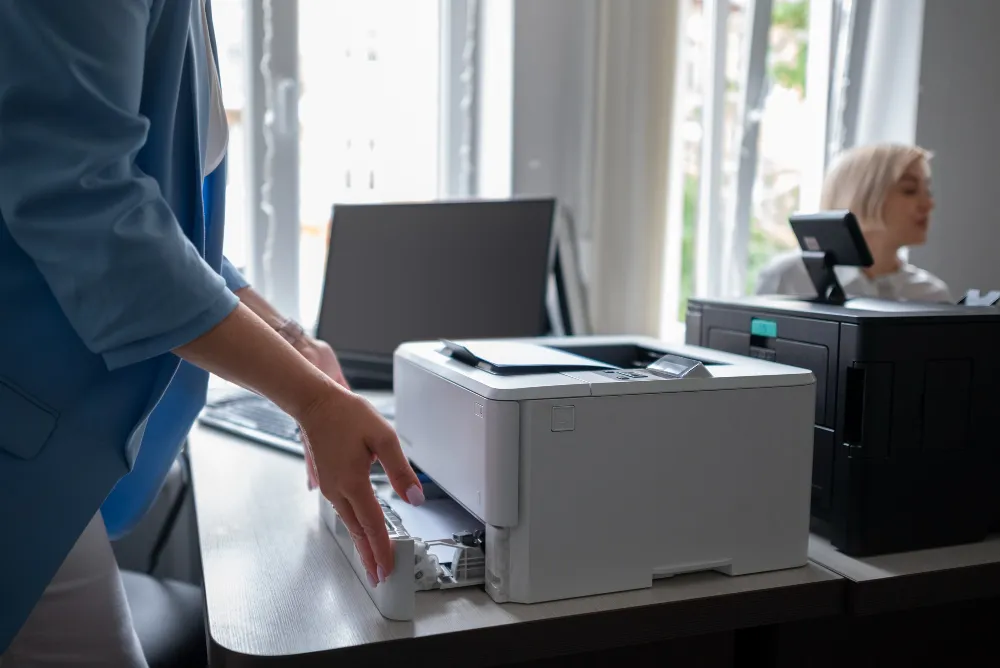

In today’s cost-conscious business environment, companies are constantly seeking ways to reduce operational expenses without compromising efficiency. One often overlooked area is printing. But what is grayscale printing? It is a printing method that uses only shades of black and gray instead of full color, making it a practical and budget-friendly alternative for many business needs.
Let’s explore whether grayscale printing is truly more economical and when it makes the most sense for your organization.
What Is Grayscale Printing?
Grayscale printing refers to producing documents using black ink and varying shades of gray to represent images and text. Unlike color printing, which uses multiple ink cartridges (cyan, magenta, yellow, and black), grayscale relies primarily on black toner or ink.
This method is widely used for internal documents, reports, drafts, invoices, and other non-visual-heavy materials.
Why Businesses Consider Grayscale Printing?
Businesses across industries are shifting toward grayscale printing to manage costs and improve efficiency. Here are the key reasons:
1. Lower Printing Costs
Color printing is significantly more expensive due to the use of multiple ink cartridges. Grayscale printing:
- Uses less ink overall
- Reduces the frequency of cartridge replacement
- Lowers per-page printing cost
2. Extended Printer Lifespan
Frequent color printing can wear out printer components faster. Grayscale printing:
- Reduces mechanical strain
- Minimizes maintenance needs
- Improves device longevity
3. Faster Printing Speed
Grayscale documents typically print faster than color documents, which:
- Saves time in high-volume environments
- Improves workflow efficiency
Cost Comparison: Grayscale vs. Color Printing
When comparing grayscale and color printing, the difference becomes clear:
- Ink/Toner Usage: Grayscale uses only black ink, while color printing requires multiple cartridges.
- Cost Per Page: Grayscale printing can be up to 50–80% cheaper per page.
- Maintenance: Color printers often require more frequent servicing.
For businesses printing hundreds or thousands of pages daily, these savings add up quickly.
When Grayscale Printing Makes the Most Sense?
Grayscale printing is not ideal for every situation, but it works perfectly in many cases:
- Internal reports and memos
- Contracts and legal documents
- Draft versions of presentations
- Invoices and receipts
- Text-heavy documents
However, for marketing materials, branding assets, or client-facing visuals, color printing may still be necessary.
Key Benefits of Grayscale Printing
Here’s a quick summary of the advantages:
- Significant cost savings on ink and toner
- Faster printing speeds
- Reduced environmental impact
- Longer printer lifespan
- Ideal for high-volume printing needs
Are There Any Limitations?
While grayscale printing is economical, it does come with a few drawbacks:
- Limited visual appeal for presentations
- Not suitable for detailed graphics or branding
- Reduced impact in marketing materials
Businesses should balance cost savings with the purpose of the document.
Tips to Maximize Savings with Grayscale Printing
To fully benefit from grayscale printing, consider these best practices:
- Set grayscale as the default printing mode
- Use draft mode for internal documents
- Train employees on when to use color vs. grayscale
- Monitor printing usage through software tools
Wrapping Up
So, is grayscale printing more economical for businesses? The answer is a clear yes—especially for day-to-day operational printing. By understanding what is grayscale printing and implementing it strategically, businesses can significantly reduce printing costs, improve efficiency, and extend the life of their equipment.
While color printing still has its place, adopting grayscale printing for routine tasks is a smart, cost-effective decision that aligns with both financial and environmental goals.

























Sign in to leave a comment.