
If you’ve been thinking about straightening your teeth but are worried about the potential pain, you're not alone. A lot of people hesitate to begin orthodontic treatment because of what they’ve heard: that it’s uncomfortable, inconvenient, or even painful. But when it comes to Invisalign, many of these beliefs are simply myths. In this post, we’re setting the record straight and answering the big question: Is Invisalign painful?
Let’s walk through what to expect and why the truth about Invisalign might pleasantly surprise you.
Myth #1: Invisalign is Extremely Painful
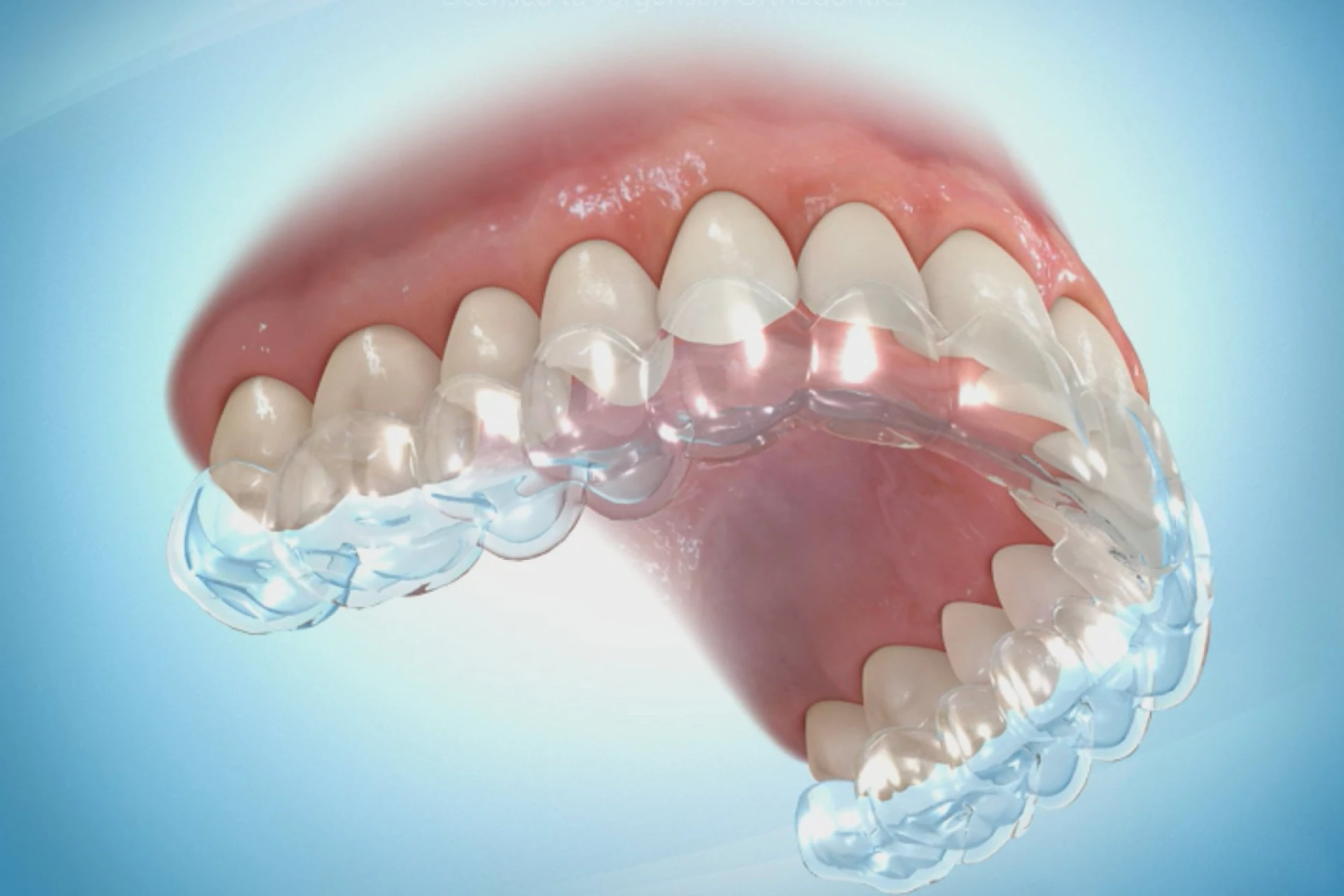
Let’s clear this one up right away—Invisalign is not extremely painful. In fact, it’s often described as far more comfortable than traditional metal braces. Since Invisalign aligners are made from smooth, BPA-free plastic and custom-fit to your teeth, they don’t involve wires or brackets that can poke or irritate your mouth.
Most patients report a sense of tightness or mild pressure when they put in a new set of aligners, which is a normal part of the process. That pressure means your teeth are moving, and while it may be a bit uncomfortable at first, it usually fades within a couple of days.
If you're looking into Invisalign in Georgetown, it's reassuring to know the process is designed with your comfort in mind from start to finish.
Myth #2: The Pain Lasts Throughout Treatment
Another common misunderstanding is that Invisalign causes ongoing discomfort. The reality? Any soreness or tightness you feel typically occurs only during the first few days of switching to a new aligner. It’s your teeth adjusting to the gentle pressure—and this sensation decreases over time as your mouth adapts.
Most people find the discomfort so minor that they don't need to take any medication for it. And since you’re switching aligners about every two weeks, this cycle of mild tightness becomes predictable and easy to manage.
If you’re working with an experienced dentist in Georgetown, they’ll ensure your treatment plan is optimized for gradual and effective tooth movement—without unnecessary discomfort.
Myth #3: Invisalign Will Rub Against Your Gums
With metal braces, it's common to experience irritation due to brackets rubbing against your cheeks and gums. Invisalign offers a completely different experience. The aligners are designed to fit snugly, and the edges are smoothed to reduce friction. While it might take a few days for your mouth to get used to the new feeling, most people find the trays comfortable very quickly.
It’s rare, but if any edge does feel sharp, you can have it smoothed or adjusted by a trusted dentist near you for an even more comfortable fit. It’s all part of the benefit of a modern, customizable orthodontic solution.
Myth #4: Invisalign is More Painful Than Braces
Some people assume that just because Invisalign is newer, it must be more intense. Not true! In fact, many patients who have experienced both braces and Invisalign say that Invisalign is much gentler. That’s because instead of the periodic tightening of wires, Invisalign uses gradual, continuous force to shift teeth over time.
There are also fewer emergency visits—no broken brackets, no snapped wires. Just one more reason why people love how Invisalign fits into their lifestyle.
When you visit a trusted dental clinic in Georgetown, your dentist will go over exactly what to expect and how your custom aligners will gently shift your smile into place.
What to Expect in the First Few Days
While Invisalign isn't painful overall, you may feel a bit of tenderness when you start wearing each new tray. That’s completely normal. The pressure usually lasts 24 to 48 hours and fades as your teeth adjust. Here are a few tips to make the transition easier:
- Put new aligners in before bed to sleep through most of the initial tightness
- Eat soft foods like yogurt or pasta for the first day or two
- Use a cold compress if your jaw feels sore
- Stay consistent—wearing your aligners for the recommended 22 hours a day helps your teeth adjust faster
If you stick to the routine, the aligners quickly start feeling like a natural part of your day.
At Sunnyview Dental Georgetown, we’ve helped countless patients transition smoothly into their Invisalign journey—and many tell us they’re surprised by just how easy it was.
Real Patient Experiences
A lot of people go into Invisalign expecting pain, but leave their first week amazed at how little discomfort they experienced. The aligners are discreet, comfortable, and removable—which gives you the flexibility to eat what you want and maintain excellent oral hygiene throughout treatment.
By the second or third set of trays, most patients don’t even notice the aligners are there. It becomes a routine, and your smile continues to improve with each passing week.
Final Verdict: Is Invisalign Painful?
No, Invisalign is not painful in the way many assume. It does cause mild pressure or tightness, but this is a sign that your aligners are working to move your teeth into place. The process is much more comfortable than traditional braces, and any initial soreness fades quickly.
If you're considering Invisalign and want personalized care from a team that truly understands your concerns, visit Sunnyview Dental Georgetown for a consultation. We'll guide you every step of the way and make sure your treatment is smooth, comfortable, and stress-free.
























Sign in to leave a comment.