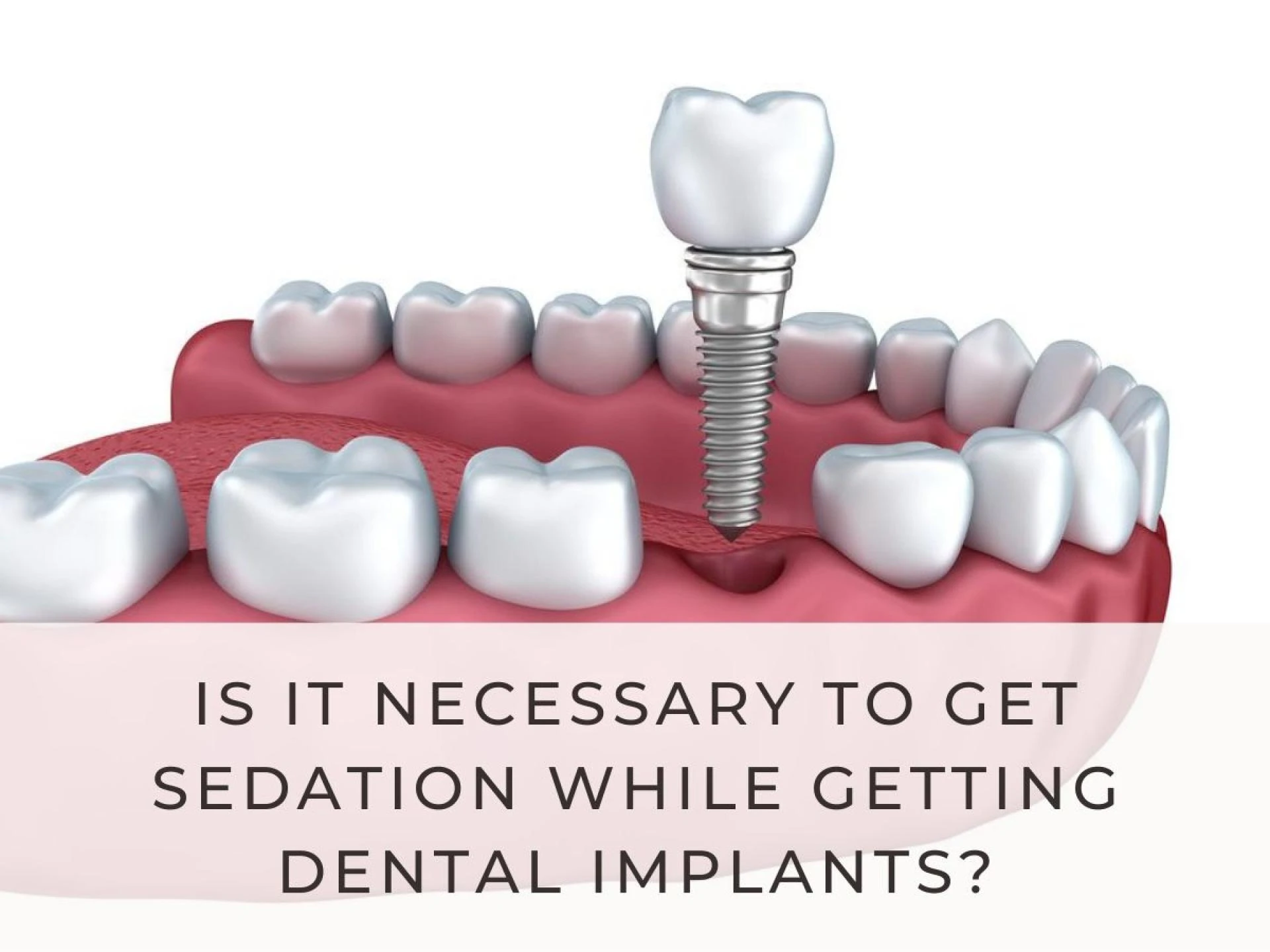

A dental implant needs oral surgery, which may necessitate the use of sedation. Different types of anesthetic can be used. The one picked is determined by the number of implants to be placed as well as the patient's comfort and desire. During the surgery, the patient is usually not entirely unconscious.
Know The Types Of Anesthesia
Many medical treatments require anesthesia to guarantee that the patient is not in pain during the process. There are several types of anesthesia, with local, general, and conscious sedation being the most common in the case of dental implant surgery. The type of anesthesia utilized will be determined by the complexity of the procedure and the patient's comfort level.
Local for minor procedures - When only one or two dental implants are being placed, a local anesthetic is usually employed. The area of the mouth being worked on will be numbed, and the patient will be awake while a local anesthetic is delivered. Since the time needed for the process is less than when several implants are being placed, this type of anesthetic is commonly employed for small implant surgery.General is used for bone grafting - The most potent sort of anesthesia is general anesthesia. It's typically used when bone grafting is required. Bone grafting may be required during the dental implant procedure if the patient's mouth lacks sufficient healthy bone to support the implants. The patient will be entirely unconscious and have no recollection of the surgery while under general anesthesia.Conscious sedation for dental anxiety - Some oral surgeons also provide conscious sedation, a type of anesthesia. Conscious sedation can assist patients with dental anxiety relax during their procedure. This form of sedation usually uses nitrous oxide or a sedative that makes you sleepy and relieves anxiety and stress. Although the patient is awake when under conscious sedation, they are usually in a dream-like condition.Recovery After The Treatment
Although sedation can make surgery comfortable for the patient during the procedure, most individuals will experience some discomfort throughout the recovery phase. Ibuprofen or other pain relievers are usually enough to ease pain in the chin, cheekbones, or beneath the eyes. To help minimize swelling, patients can apply an icepack and eat soft meals.
The recuperation time following surgery is usually less than a week for the majority of individuals. Patients should rinse their mouths with warm salt water at least twice daily to relieve discomfort and brush their teeth more gently. Regular dental visits will be required to confirm that the implants have adhered to the bone and healed properly.
Final Words
Dental implant surgery is frequently medicated to shield patients from pain during this intrusive treatment. While local anesthesia is provided to the mouth area that is being treated, most patients are put under conscious sedation. General anesthesia is rarely utilized in dental implant surgery unless bone grafting is required.











Sign in to leave a comment.