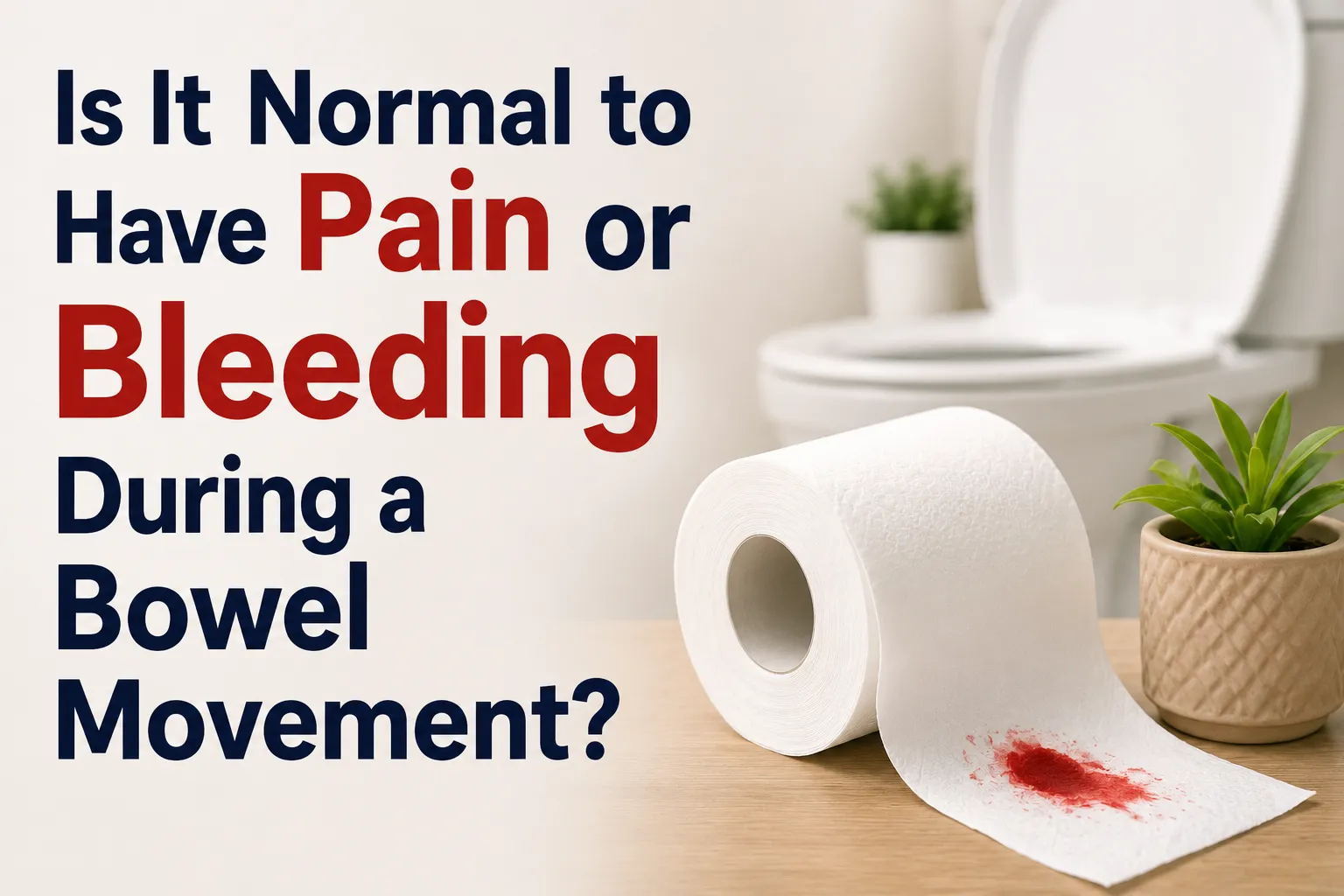

Seeing blood in the toilet or feeling pain while passing stool can be alarming. Sometimes, the cause is simple, such as constipation, piles, or a small anal tear. But repeated bleeding or ongoing pain should not be ignored. If you are looking for an ayurvedic piles doctor in Delhi, it is still important to first understand what may be causing your symptoms and when medical evaluation is needed.
A small amount of bright-red blood after a hard bowel movement is often linked to an anal fissure or hemorrhoids. However, rectal bleeding can have other causes too. The color, amount, frequency, and symptoms that come with the bleeding all matter. M
Why Does a Bowel Movement Hurt?
Pain during bowel movements is not something you should simply accept as normal. It usually points to irritation, inflammation, a tear, or another problem around the anus.
Anal fissure
An anal fissure is a small tear in the skin around the anus. It often develops after passing a hard or large stool, especially when constipation and straining are involved.
The pain can feel sharp or burning. It may continue for minutes or even hours after you finish passing stool. Bright-red blood on toilet paper or on the outside of the stool is also common.
Hemorrhoids or piles
Hemorrhoids are swollen veins in the lower rectum or anus. Internal hemorrhoids often cause painless bright-red bleeding. External hemorrhoids can cause itching, swelling, tenderness, and pain.
A painful, hard lump may occur when a blood clot forms inside an external hemorrhoid. This is called a thrombosed hemorrhoid.
Constipation and straining
Hard stools can stretch and irritate the anal area. Straining adds more pressure and can trigger or worsen both hemorrhoids and fissures.
This can create a cycle: hard stool causes pain, pain makes you avoid the toilet, and delaying bowel movements makes the stool harder.
What Does the Color of Blood Mean?
The appearance of blood can offer clues, but it cannot confirm the cause by itself.
Bright-red blood on toilet paper or streaks on the outside of stool is commonly associated with problems close to the anus, including hemorrhoids and anal fissures.
Dark-red blood or black, tar-like stool can be more concerning because it may indicate bleeding higher in the digestive tract. Such bleeding needs medical assessment, particularly when it is persistent or accompanied by other symptoms.
Do not assume that every episode of rectal bleeding is caused by piles.
When Should You See a Doctor?
A one-time, small amount of bleeding may settle, especially when it follows constipation. But recurring symptoms deserve attention.
Make an appointment with a healthcare professional if:
- Bleeding keeps coming back.
- Pain continues for several days or gets worse.
- You notice a persistent lump or swelling.
- Your bowel habits change unexpectedly.
- Your stools become unusually narrow or different in appearance.
- You have unexplained weight loss or unusual tiredness.
- You have ongoing abdominal pain, bloating, or cramps. These symptoms do not automatically mean cancer. Many common conditions can cause them. Still, checking the cause early is safer than guessing.
What About an Anal Fistula?
An anal fistula is different from a fissure or hemorrhoid. It is an abnormal passage that can develop between the anal canal and the skin. It may cause persistent pain, swelling, discharge, or blood.
If you have constant throbbing pain, pus-like discharge, fever, or repeated swelling around the anus, you should seek medical attention. A fistula doctor in Delhi can assess whether an infection, abscess, or fistula is responsible for the symptoms.
Simple Ways to Reduce Pain and Prevent Recurrence
If constipation or hard stools are contributing to your symptoms, a few daily habits can help.
Keep stools soft
Drink enough fluids throughout the day. Add fiber-rich foods such as vegetables, fruits, whole grains, and legumes to your diet. Fiber can help make stools easier to pass.
Do not strain
Avoid sitting on the toilet for long periods or repeatedly pushing hard. Go when you feel the urge instead of delaying it.
Try a warm bath
A warm, shallow bath can soothe anal discomfort, particularly when a fissure is causing pain.
Keep the area clean and dry
Gentle cleaning is better than aggressive wiping. Avoid products that irritate sensitive skin around the anus.
If symptoms do not improve with basic care, do not keep treating yourself indefinitely. Persistent fissures, hemorrhoids, fistulas, and other conditions may require specific treatment.
When Is Rectal Bleeding an Emergency?
Heavy or continuous bleeding needs urgent medical attention. Seek emergency care if there is a large amount of blood, large clots, dizziness, fainting, or weakness. Severe anal pain accompanied by fever, chills, or discharge also needs prompt assessment.
The goal is not to panic over every spot of blood. It is to recognize when a symptom has moved beyond something you should watch at home.
Don’t Ignore the Signs - Get the Right Treatment
Pain or a small amount of bright-red bleeding during a bowel movement can happen with common problems such as constipation, hemorrhoids, and anal fissures. That does not mean you should ignore repeated symptoms.
Your symptoms are worth discussing with a qualified professional, especially if they persist, worsen, or occur alongside changes in bowel habits, weight loss, abdominal symptoms, fever, or significant bleeding.
For people seeking a patient-focused approach to piles, fissures, and related anorectal concerns, Dr. Ruchi Gupta can be considered as a professional option for evaluation and guidance. Getting the right diagnosis is the first step toward the right treatment - and often, toward much-needed relief.


























Sign in to leave a comment.