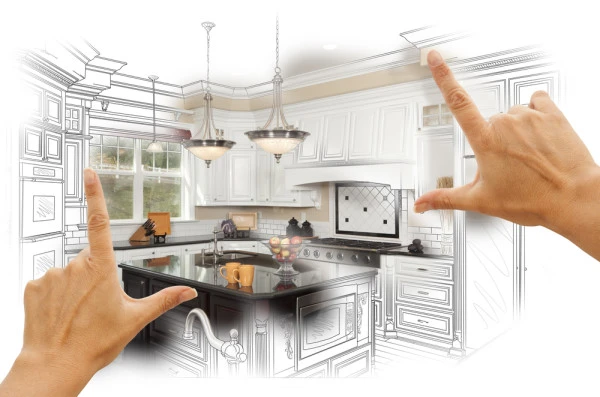

When it comes to selling a house, homeowners often find themselves in a dilemma - should they renovate their home before putting it on the market or sell it as is? Home renovation has become a popular topic in the real estate market, with many homeowners seeking to increase their property value and attract potential buyers.
In this article, we will explore the pros and cons of renovating a house before selling and evaluate whether it's worth the investment.
Benefits of Home Renovation
Home renovation can have several benefits when it comes to selling a house. Here are some reasons why homeowners choose to renovate their homes before selling:
Increased Property Value
Renovating a house can significantly increase its value. By updating outdated features, repairing damages, and improving the overall aesthetics, a well-executed renovation can make a property more appealing to potential buyers and justify a higher asking price.
Faster Sale
Renovating a house can make it more attractive to a larger pool of potential buyers, leading to a faster sale. Buyers are often willing to pay a premium for a move-in-ready home that requires minimal repairs or updates, which can result in a quicker sale compared to selling an outdated property.
Competitive Advantage
In a competitive real estate market, a renovated home can stand out among other properties. It can give sellers an advantage by setting their property apart from similar listings and attracting more potential buyers.
Return on Investment (ROI)
While home renovation can be expensive, it can also offer a favorable return on investment. If the renovation is done strategically and adds value to the property, sellers may recoup the renovation costs and even make a profit when selling the house.
Factors to Consider
Despite the potential benefits, renovating a house before selling may not always be the best option.
Here are some factors that homeowners should consider:
Cost vs. Value
Homeowners should weigh the cost of renovation against the potential increase in property value. Renovations can range from minor updates to major overhauls, and costs can add up quickly. Sellers should carefully research and budget for renovations that are likely to yield a positive return on investment.
Market Conditions
The state of the local real estate market can also impact the decision to renovate. In a seller's market with high demand and limited inventory, properties may sell quickly even without extensive renovations. However, in a buyer's market with more competition and fewer buyers, renovating a house may be necessary to attract potential buyers.
Time Constraints
Renovating a house takes time, and sellers should consider whether they have the resources and timeline to complete the renovations before listing their property for sale. Delayed renovations can potentially disrupt the selling process and result in additional costs.
Target Buyers
Understanding the preferences of the target buyers is crucial when deciding on the extent of home renovation. If the target buyers are more interested in a fixer-upper and value customization, investing in extensive renovations may not be necessary.
Types of Renovations
Not all renovations are created equal when it comes to adding value to a property.
Here are some types of renovations that are commonly done before selling a house:
Kitchen Remodel
The kitchen is often considered the heart of the home, and a well-designed and updated kitchen can significantly increase a property's value. Upgrading appliances, countertops, and cabinets, and adding modern fixtures can make a big impact on potential buyers.
Bathroom Remodel
Bathrooms are another area that can greatly influence a buyer's decision. Upgrading fixtures, adding energy-efficient features, and improving the overall aesthetics of the bathroom can make a big difference in the perceived value of a property.
Curb Appeal
First impressions matter, and improving the curb appeal of a house can attract more potential buyers. This can include landscaping, painting the exterior, repairing or replacing the roof, and upgrading the front entrance. A well-maintained and visually appealing exterior can create a positive impression and generate interest from potential buyers.
Energy-Efficient Upgrades
Energy-efficient upgrades, such as installing new windows, improving insulation, and upgrading to energy-efficient appliances, can not only save money on utility bills but also appeal to environmentally-conscious buyers. These upgrades can also add value to a property and make it more attractive in a competitive market.
Cosmetic Updates
Simple cosmetic updates, such as repainting walls, updating light fixtures, replacing outdated flooring, and fixing minor damages, can give a house a fresh and modern look without breaking the bank. These updates can make a property more appealing to potential buyers and help it stand out in a crowded market.
Potential Drawbacks of Home Renovation
While renovating a house before selling can have its benefits, there are also potential drawbacks that homeowners should be aware of:
Cost
Renovations can be expensive, and the costs can quickly add up, especially for major renovations. Homeowners need to carefully budget and consider the potential return on investment before committing to a renovation project.
Time and Effort
Renovations can be time-consuming and require a significant amount of effort, especially if homeowners decide to DIY the renovations. This can potentially delay the selling process and add stress to an already busy time of selling a property.
Uncertain Return on Investment
Not all renovations guarantee a positive return on investment. It's important for homeowners to carefully research and choose renovations that are likely to add value to their property and appeal to potential buyers. Over-improving a property or making overly personalized renovations may not yield a favorable return.
Market Trends
Market trends and buyer preferences can change over time. Homeowners should be cautious about following the latest design trends that may not be popular with potential buyers or may quickly become outdated. It's important to consider timeless and universally appealing renovations that can stand the test of time.
Wrapping It Up
In conclusion, whether it's worth renovating a house before selling depends on various factors, including the local real estate market, budget, time constraints, target buyers, and potential return on investment. Renovations can certainly add value to a property, make it more attractive to potential buyers, and potentially result in a faster sale and higher selling price.
However, homeowners should carefully weigh the costs and benefits, research market trends, and choose renovations strategically to ensure a favorable return on investment. Consulting with a real estate professional or a home renovation expert can also provide valuable guidance in making an informed decision.
Ultimately, the decision to renovate a house before selling should be based on careful consideration of individual circumstances and goals.









Sign in to leave a comment.