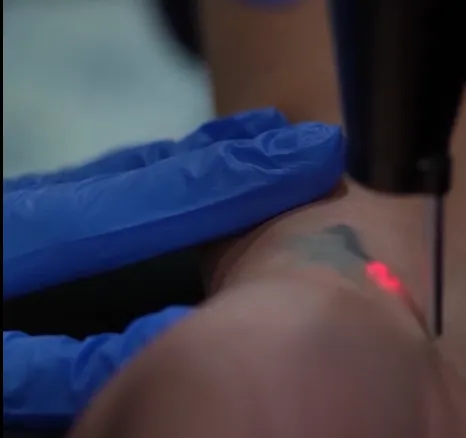

Safety is usually the first question people have before searching Laser Tattoo Removal near me, and it's a fair one — putting a laser on skin sounds more intense than it actually is. The short answer: yes, laser tattoo removal is considered safe when performed by trained providers using properly calibrated equipment. Here's what the safety picture actually looks like.
How the laser actually works on skin
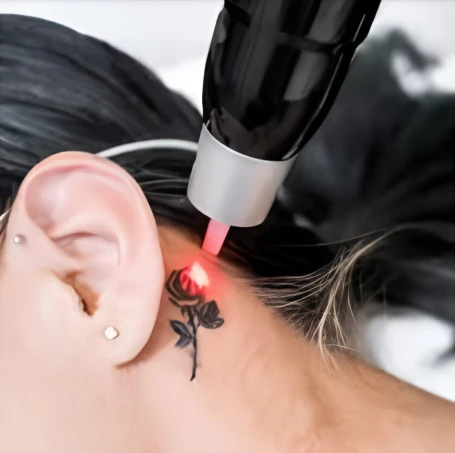
Q-switched and picosecond lasers, the two most common technologies used for tattoo removal, work by delivering short pulses of energy that shatter ink particles into fragments small enough for the body's immune system to clear naturally. The laser targets pigment specifically, which is why the surrounding skin is largely unaffected when the equipment is set correctly for a person's skin tone and ink color.
What the risks actually are
Like any cosmetic procedure, it isn't risk-free. Temporary redness, swelling, and mild blistering are common in the days after treatment and are considered a normal part of the healing process. Less common risks include hypopigmentation (lightening of the skin) or hyperpigmentation (darkening), particularly in people with darker skin tones or in those who don't follow aftercare guidance around sun exposure. These risks are why settings need to be adjusted per individual rather than applied uniformly.
Why provider experience matters more than the equipment itself
The laser technology used across reputable clinics is largely similar. What actually changes outcomes is the provider's ability to read skin tone, ink density, and healing response, and adjust energy levels accordingly. This is the same reasoning behind why session count varies so much between people — settings and timelines both come down to how a provider reads your specific skin and ink.
Who should be cautious or avoid treatment
People who are pregnant, have certain autoimmune conditions, or are prone to keloid scarring are typically advised to wait or consult a physician before treatment. A thorough intake process, not just a quick visual check, is what separates a safe provider from a risky one.
So is it actually safe?
For the vast majority of healthy adults, yes — laser tattoo removal has a strong safety record when performed by trained professionals who properly assess skin and ink beforehand. The procedure carries far more risk when done by inexperienced operators using generic settings than it does from the laser technology itself.
If you're weighing safety alongside what treatment would look like for your specific tattoo, Laser Tattoo Removal in Windham, NH starts with exactly that kind of individual assessment.






















Sign in to leave a comment.