
Introduction
For the avid DIY enthusiast, the allure of constructing something from the ground up, complete with personal satisfaction and significant cost savings, can be irresistible. However, not all projects are created equal, and some may require a more realistic assessment of your skills and available resources.
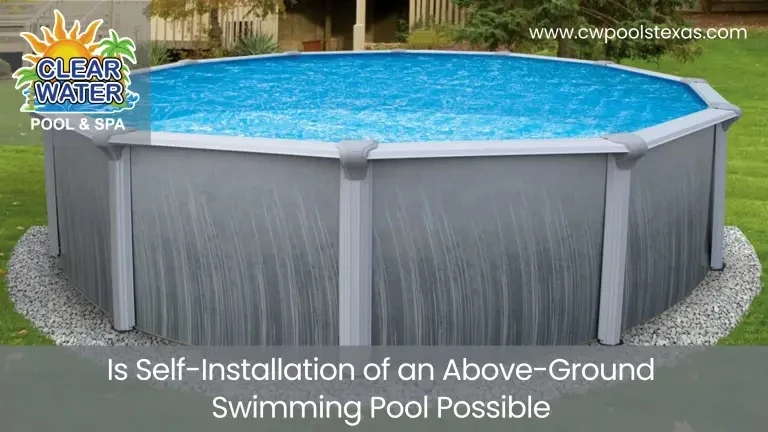
One such endeavor is the installation of an above-ground pool. While the prospect of creating your own aquatic oasis in your Corpus Christi backyard is undeniably appealing, it's vital to consider whether the DIY route is both feasible and worthwhile.
The DIY Illusion
The internet is awash with articles and tutorials proclaiming the simplicity of installing an above-ground swimming pool, often boasting of a mere few hours' work. Yet, what many of these sources fail to specify is whether they are referring to a self-installation or the involvement of a professional installer.
In this article, we aim to address the fundamental question of whether installing an above-ground swimming pool on your own is a realistic endeavor. We'll explore the critical factors you should take into account before embarking on such a project and provide a balanced overview of the advantages and disadvantages associated with the DIY approach.
Can You Undertake a DIY Installation of an Above-Ground Swimming Pool?
In brief, the answer is a resounding yes.
Installing an above-ground swimming pool is a task well within the capabilities of individuals with basic construction skills and access to common household tools. The beauty of this project lies in its accessibility, making it feasible for a diverse range of people, from landscapers to retirees, to successfully complete the installation without the need for professional assistance.
However, the true worth of this endeavor will become evident as we delve deeper into the details.
Assessing Feasibility
Skill and Experience
Before committing to a DIY pool installation, honestly evaluate your proficiency in handling construction projects. Familiarity with tools, assembly, and technical details will significantly influence the success of your endeavor.
Size and Complexity
Consider the size and complexity of the pool you intend to install. Larger and more intricate models may require a higher level of expertise and labor, making DIY installation more challenging. While small above ground pools are less complicated and can be installed easily.
Site Preparation
Preparing the installation site is a crucial aspect. You'll need to level the ground, ensure proper drainage, and possibly construct a retaining wall or support structure. Incorrect site preparation can lead to issues with the pool's stability.
Compliance and Regulations
Familiarize yourself with local building codes and regulations related to pool installations. Failure to adhere to these rules can result in costly fines or, worse, safety hazards.
The Pros and Cons of an Above Ground Pool DIY Installation
Pros:
Cost Savings:
Perhaps the most significant advantage of a DIY approach is the potential for substantial cost savings. You'll avoid labor fees associated with professional installation.
Personal Satisfaction:
Completing the installation yourself can be deeply rewarding, providing a sense of accomplishment and ownership over your backyard oasis.
Control
DIY installation allows you to have complete control over the process, ensuring that every detail aligns with your vision.
Cons:
Risk of Errors:
Inexperienced DIYers may make mistakes during installation, leading to structural issues, leaks, or other costly problems.
Time-Consuming:
DIY installations often take longer than expected, especially if unforeseen challenges arise.
Warranty Concerns:
Some pool manufacturers may void the warranty if the installation is not carried out by a certified professional.
Related reads: Pros and Cons of Above grond pool.
Factors to Contemplate Before Embarking on a DIY Above Ground Swimming Pool Installation
When you're contemplating a DIY approach for installing your above ground swimming pool, there are several critical factors that should guide your decision. These factors not only determine the feasibility of your DIY project but also influence its success. Let's delve into these considerations:
Type of Above Ground Swimming Pool
The type of above ground pool you opt for will significantly impact the ease or difficulty of installation. Traditional steel frame pools that sit directly on level ground are relatively straightforward for DIY installation.
However, if you desire a semi-inground above ground pool that requires burying to a certain depth, it's prudent to enlist the expertise of a professional. While it might be possible with the right equipment, professional assistance is highly recommended for such installations.
Shape of the Above Ground Swimming Pool
The shape of your pool can be a determining factor in the installation process. Common shapes like oval and round are generally easier to install because you're more likely to find helpful information and tutorials online. Round pools are especially favored for DIY installations due to their simplicity compared to more complex shapes.
Depth
It's worth noting that some above ground pools can feature deep ends, depending on the type of liner you choose. If you opt for an expandable liner, this will entail additional excavation requirements and a specialized understanding of how to install such liners. For these scenarios, hiring a professional is strongly recommended.
Location
The choice of location for your pool is paramount to a successful installation. Ensure that the selected area is level, free of obstructions like power lines or trees, and not situated above shallow underground utility lines. It should also be devoid of sharp or hazardous materials beneath the surface, such as gravel or rocky soil. Steer clear of septic tanks, tree stumps, or immovable roots. If you're installing a semi-inground pool, consider the slope of the terrain. Adequate exposure to direct sunlight is also essential for maintaining water quality.
Electrical Needs
Don't overlook the electrical requirements of your pool. Unless you possess electrical expertise, it's best to leave this aspect to a professional. Handling electricity without the necessary skills can be dangerous, so prioritize safety in this regard.
Cost
One of the driving motivations behind DIY projects is cost savings. However, it's vital to weigh these potential savings against the time and effort you'll invest in the project. Consider the following questions:
How much money will you save by doing it yourself rather than hiring professionals?Is the time and effort required for error-free installation a worthwhile trade-off for the cost savings?Are you confident in your abilities to complete the installation to the same standard as a professional?These considerations will not only inform your decision to embark on a DIY above ground swimming pool installation but will also ensure that your project proceeds smoothly, ultimately leading to a satisfying and successful outcome.
Conclusion
While the idea of installing an above-ground pool by yourself is undeniably enticing, it's crucial to approach this project with a realistic understanding of your skills, the pool's complexity, and local regulations. If you possess the necessary expertise and are willing to invest the time and effort, a DIY installation can be a satisfying and cost-effective venture.
However, if you have doubts about your abilities or the project's scope, enlisting the assistance of a professional installer may be the wiser choice to ensure the safety and longevity of your aquatic escape.
Ultimately, choose what matches your abilities and means, and remember that careful planning often beats boldness in DIY projects.











Sign in to leave a comment.