
Selling silver in the UK has become an increasingly relevant topic for many individuals looking to capitalize on their investments or declutter their belongings. With fluctuating market prices and a growing awareness of the value of precious metals, the question arises: is it worth it to sell silver in UK? This article examines essential factors to consider, the current market landscape, and the potential benefits of selling silver, providing a comprehensive view for those contemplating this decision.
Understanding the Silver Market
The silver market, much like the gold market, is influenced by various economic factors, including inflation rates, currency fluctuations, and global demand for industrial applications. In recent years, the demand for silver has surged, driven by its role in electronics, renewable energy technologies, and jewelry. This rising demand has often translated into better prices for sellers. However, before diving into selling silver, it's crucial to understand the market dynamics. Prices can be volatile; therefore, keeping abreast of market trends is vital for maximizing returns.
Investors often track the spot price of silver, which represents the current market price for immediate delivery. This price fluctuates throughout the day based on trading activity, making it essential for potential sellers to monitor these changes closely. Additionally, seasonal trends and economic indicators can influence prices, creating windows of opportunity for selling silver at a premium.
Evaluating Your Silver Items
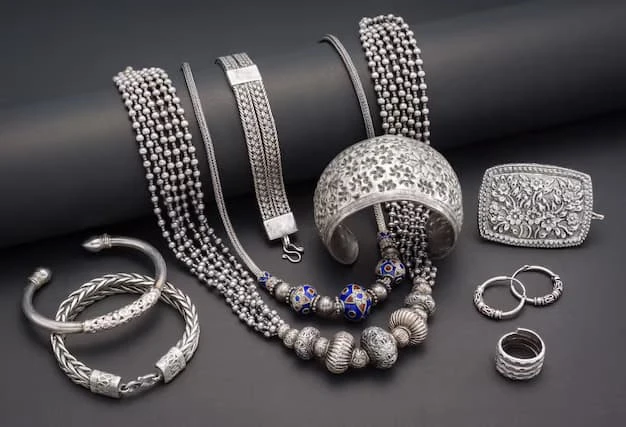
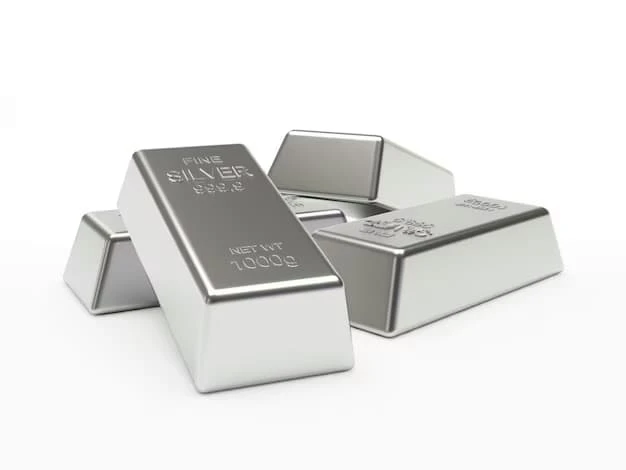
When considering selling silver, the first step is to evaluate the items in your possession. Silver comes in various forms, including jewelry, coins, and bullion. Each type has its unique characteristics and market value. For instance, silver coins, particularly those that are rare or collectible, can fetch significantly higher prices than generic silver jewelry.
Assessing the purity of your silver is also crucial. Silver is typically marked with a sterling silver hallmark (usually .925) or other purity stamps, indicating its silver content. The higher the purity, the more valuable the item is likely to be. A thorough examination of your silver pieces, including any historical significance, craftsmanship, or brand value, can help you determine their worth in the current market context.
The Selling Process
Once you have evaluated your silver items, the next step involves understanding the selling process. There are various avenues available for selling silver in the UK, including online platforms, local jewelers, and specialized silver buyers. Each option has its advantages and disadvantages, and the right choice often depends on personal preferences and circumstances.
Online platforms have gained popularity due to their convenience and accessibility. Sellers can easily list their items, reach a broader audience, and potentially secure better prices. However, it is essential to research and choose reputable platforms to avoid scams. Local jewelers or pawn shops may offer immediate cash but often at a lower price compared to the market value. Specialized silver buyers, on the other hand, typically have a deeper understanding of the silver market and may provide more accurate appraisals.
When selling silver, it’s imperative to gather all necessary information about your items to negotiate effectively. Having documentation, such as appraisals or receipts, can bolster your position during negotiations. Transparency about the condition and history of your silver can also instill confidence in potential buyers.
Tax Implications of Selling Silver
Another crucial aspect to consider is the tax implications of selling silver in the UK. While selling personal silver items may not attract capital gains tax if sold for less than £6,000, it’s essential to be aware of tax liabilities that may arise from selling larger quantities or more valuable pieces. Consulting a tax professional or financial advisor can provide clarity on how selling silver might impact one’s tax situation.
Understanding these tax considerations can significantly influence the decision to sell and the timing of the sale. For example, if one anticipates a rise in silver prices, it may be beneficial to wait before selling to maximize potential gains, even if it means dealing with potential tax implications.
Conclusion
In conclusion, selling silver in the UK can be a worthwhile endeavor, provided that individuals are well-informed about the market landscape, evaluate their items accurately, and understand the selling process and potential tax implications. The fluctuating nature of silver prices, coupled with rising demand, presents opportunities for sellers to profit from their silver possessions.
For those considering this path, careful research and strategic planning can lead to a successful sale. If you're ready to take the next step and explore your options for selling silver, consider reaching out to Sell Gold for professional guidance and assistance in navigating the selling process.











Sign in to leave a comment.