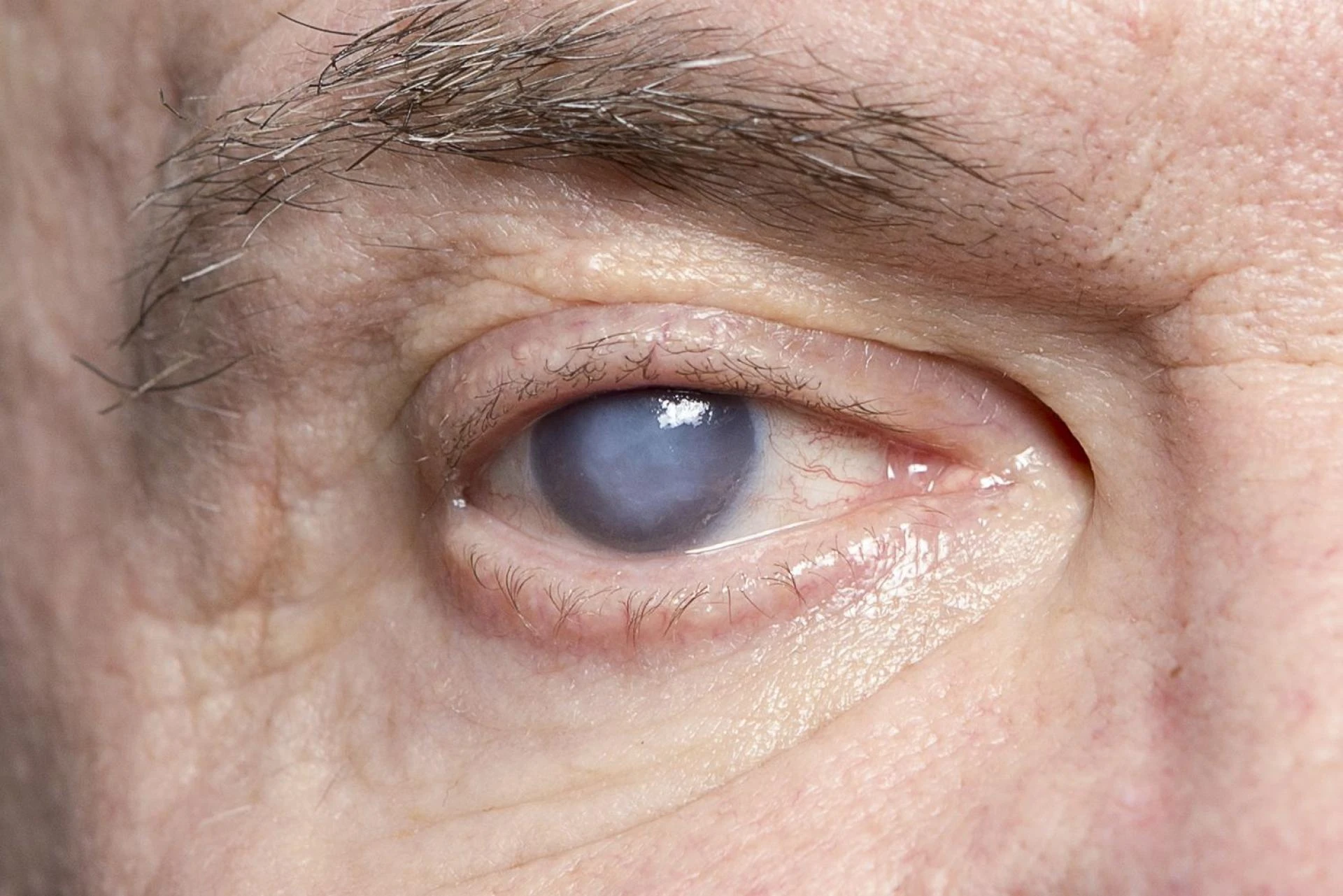

Cataracts, the clouding of the eye's lens, are common, particularly as we age. The problem affects millions worldwide, and cataract surgery is often the solution to restore vision. However, the question arises: Should you simultaneously have surgery on both eyes? This is a complex question with many facets to explore. We will delve into this subject, focusing on cataract surgery, the time between surgeries on both eyes, and considering who might get cataracts.
What is Cataract?
Cataracts cloud the natural lens inside the eye, leading to a decrease in vision. It is a progressive condition, often related to aging, although other factors such as diabetes, trauma, and certain medications can also contribute.
Cataract Surgery: An Overview
Cataract surgery involves the removal of the clouded lens and its replacement with an artificial intraocular lens. This is usually performed one eye at a time, with a healing period in between. However, simultaneous cataract surgery on both eyes is becoming more prevalent, prompting many questions and considerations.
Pros of Simultaneous Cataract Surgery
1. Quicker Recovery
Simultaneous cataract surgery essentially involves treating both eyes in a single surgical session. This has the significant advantage of requiring only one recovery period.
Time-saving: By consolidating the recovery, patients can return to their normal activities more swiftly, reducing interruptions to their daily lives.
Less Emotional Stress: Going through recovery once rather than twice may alleviate anxiety and emotional strain for many patients.
2. Cost-Efficiency
Simultaneous surgery can also be more economical:
Lower Overall Expenses: Combining both surgeries may reduce costs related to the operating room, anesthesia, and other hospital fees.
Convenience Factor: Simultaneous surgeries can also save on travel and time off work, potentially translating to indirect economic savings.
3. Simultaneous Correction
Correcting both eyes at once has distinct visual advantages:
Balanced Vision: Treating both eyes simultaneously avoids the uncomfortable stage where one eye is corrected and the other is not. This phase can create an imbalance in vision, causing discomfort and difficulty in performing everyday tasks.
Harmony in Visual Acuity: Achieving clear vision in both eyes simultaneously may lead to better overall coordination and depth perception.
Cons of Simultaneous Cataract Surgery
1. Increased Risk
Simultaneous cataract surgery is not without its challenges:
Potential Complications: If something were to go wrong during surgery, such as infection or other unforeseen complications, both eyes could be affected simultaneously. This could lead to a more tedious and prolonged recovery process.
Dependence on a Successful Outcome: Since both eyes are treated simultaneously, any mistake or complication is automatically duplicated, which could profoundly affect the overall vision.
2. Lack of Customization
Simultaneous surgery may also lead to less personalized outcomes:
No Learning Curve: Sequential surgeries often allow the surgeon to learn from the first procedure, applying any insights and adjustments to the second. Simultaneous surgeries eliminate this possibility.
Fewer Tailoring Opportunities: With sequential surgeries, adjustments can be made based on the healing and response of the first eye, ensuring that the second surgery is even more finely tuned. Simultaneous surgeries may not provide this level of customization, possibly leading to sub-optimal results.
Time Between Cataract Surgery on Both Eyes
The time between surgeries for each eye is generally about two to four weeks. This period allows the first eye to heal, and adjustments can be made for the second eye. If there are no complications with the first eye, the second surgery can be scheduled relatively soon.
is Cataract Common For all?
Interestingly, cataracts are so common that it prompts the question: Does everyone get cataracts? While not everyone will develop this condition, most people who live into their 70s and 80s will experience some clouding of their lens. It's an almost natural part of aging, but genetics, lifestyle, and overall health play a role in its development and progression.
Who Is a Suitable Candidate for Simultaneous Cataract Surgery?
Simultaneous cataract surgery may be suitable for those who:
Require quick vision restoration due to professional or personal needs.Have bilateral cataracts causing significant impairment in both eyes.Are in good overall health without existing eye diseases or conditions that might complicate surgery.A comprehensive eye examination and a detailed discussion with your ophthalmologist will help determine if simultaneous surgery is the right choice for you.
Conclusion
Cataract surgery is a personalized journey, and the decision to have simultaneous or sequential surgery on both eyes must be tailored to each individual's unique situation. Simultaneous cataract surgery offers distinct advantages, but it's not without its risks and complexities. A patient's lifestyle, overall health, type of cataract, and even their comfort level with the procedure should all be considered.
The road to a clear vision is paved with careful consideration and professional predictability. By trusting your eye care professional and openly discussing your concerns and expectations, you can decide whether simultaneous cataract surgery on both eyes is right for you.











Sign in to leave a comment.