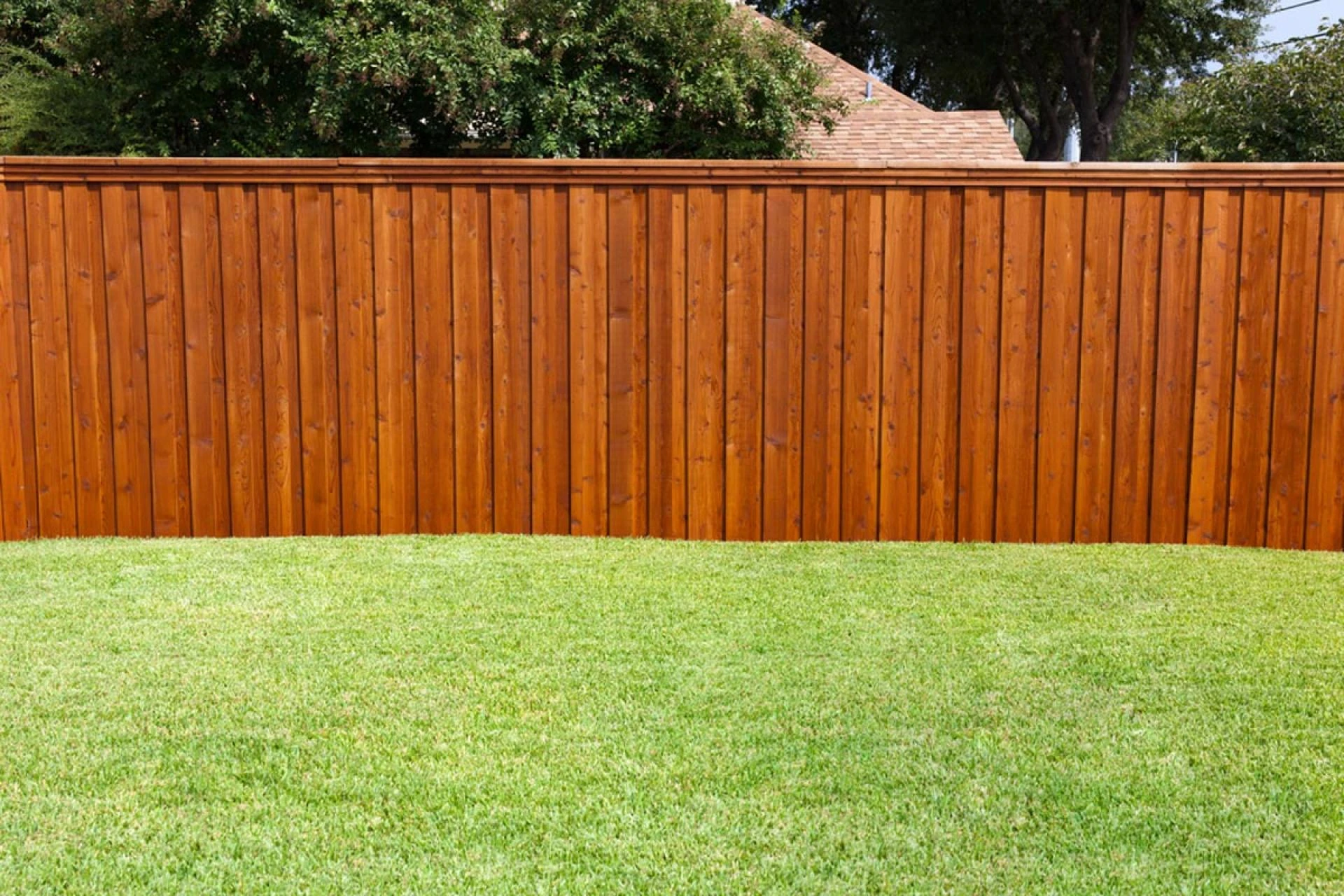

Adding a fence to your property will increase its value significantly, but choosing a wooden fence over vinyl, aluminum, or picket must have some genuine reasons. From being cost-effective to environmentally friendly, wood fences are ideal for homeowners and commercial property owners. One of the primary reasons for this is that wood can be cut to any dimension and painted any color. This makes it simple for property owners to incorporate it into their décor. And, if you properly maintain your wood fences, they will not deceive you for many years to come.
The truth is that timber fences do necessitate a few considerations in terms of durability and maintenance when opposed to other fencing styles such as vinyl, aluminum, or chain-link. It is, nevertheless, well worth it. There is nothing quite like light wood fencing. It's alluring, classic, and luxurious, adding a magical touch of charm to any property. However, choosing the perfect wood for Katy fence installation requires understanding of the material. So, let’s get started.
These fences are the most durable and widely used, whether Cedar, Redwood, Pine, Oak, Cypress, or any other style. Because each wood is distinct in looks and characteristics, you can select one based on your location's climatic condition and environment. Here are some of the woods that you can use for Katy fence installation purposes.
Pinewood Fence
The most preferred choice for residential fencing, Pinewood has a smooth texture that is simple to shape with woodworking tools. Pinewood fences have an average lifespan of 15 years or more. They could last even longer if properly maintained.
Pressure-treated Pine wood contains chemical preservatives that protect it from rot, decay, and insect infestation. When the wood ages, it turns an elegant golden-brown stunning color. It is stiff by nature and performs better when handled with liquid chemicals.
Above everything, Pinewood is a more affordable option compared to any other wood type. However, because of the soft nature of Pinewood, it is prone to warping and shrinking. Furthermore, the natural color of the timber isn't as appealing as redwood or cedar. Nonetheless, the color lends itself well to staining. Pinewood is the way to go if you want to fence your property at a low cost.
Cedar Wooden Fence
Cedarwood is a softwood native to the United States and Canada. Because it is softwood, it may be considered a short-lived wood. However, this is not the case; cedarwood is a very resilient wood type with more than 30 years of lifespan. Cedar fences are an excellent choice if your home is in a dry location. Their parallel and smooth grains make cedar fences naturally weather-resistant and attractive. Furthermore, unlike other types of wood, the fences do not warp or shrink.
Cedar is the ideal wood for creating intricate pattern designs on your fences. However, in wet climates, cedar fences decompose in nearby areas of the soil. You'll don't need to paint or decorate this type of fence, as its natural color is beautiful and rich.
Red Cedar Wooden Fence
Red cedar is regarded as one of the finest softwoods available. Because of its lightweight, red cedar has higher insulative properties and is easier to transport. Red cedar has a longer service life when slathered with a protective layer or finishing. As a result, it is preferable to fix it with smudges, oils, or several other types of coating materials. Red cedar fences are visually appealing, with plain grains and consistent textures. Installing them will uniquely enhance your exterior beauty. Red cedar has a distinct scent as well. Of course, there is one disadvantage: if you are irritated by such smells, this fence might not be the best option for you.
White Cedar Wooden Fence
White Cedar Wood Fence - As the name indicate, this one has a whitish aesthetic, with superficial knots and flat grains on its surface. As a result, the wood is simple to split, blemish, and design. You can rely on white cedar because it is termite resistant and does not fracture.
Wooden Lattice Fence
The lattice fence is an excellent choice for adding aesthetic appeal to your gardens. This kind of fence is crisscrossed to form beautiful square-shaped holes. Although these wood fence designs do not provide much privacy, they keep small children and pets inside. The primary function of the lattice fence is to bring a bold look and to cover the garden area. Furthermore, it can support your garden's climbing vines.
Oak Wooden Fence
Because of its versatility, oakwood is well-known for many applications. Oak, as a slow-growing hardwood, is strong and long-lasting. It has noticeable wavy grain knots, which add a nice focus and a clean finish. Oakwood darkens and becomes more refined over time.
Among the hundreds of oak species, white and red oak are the most commonly used for fencing. White and red oak have rosy red and beige colors that are pleasing to the eyes. Furthermore, the colors darken with time and retain their luster for decades. Compared to other fencing woods, oak is better suited for wet areas because it can withstand the rainy season and snowfall. Furthermore, the timber needs very little care and is simple to clean and polish.
Wood Dog Ear- Fence
This is the most basic and least expensive style. This type of timber fence can be designed by laying the wood panels side by side with no gaps between them. To diversify the monotony, the lid of the modules has a concave design that resembles a dog's folded ear. This form of the fence provides complete privacy for your family. It ensures that your pets stay inside, that noise sources are kept outside, that winds do not cause any disruption, and that no nosy eyes intrude on your privacy.
Solid Wood Panels Fence
There are no air gaps in the solid panel fence. The wood is installed side by side on each side of the rails. They'll usually have post caps and other decorative items, but the key purpose is that they're tall, durable, and "solid as a rock." The issue with these timber fence possibilities is that they do not allow air, animals, leaves, or visual sight lines to pass through. That means these hardwood panels could be broken or knocked over if strong gusts of wind.
Wood Louver Fence
Louver fences are similar to rail fences in that they have horizontal slats with vertical posts, but the edge boards are much narrower and more densely positioned. Small gaps among the boards provide privacy while still allowing plenty of wind to circulate through the fence. These boards can be overlapped and installed diagonally to reduce visual gaps while enabling airflow. These timber fences are suitable for small backyards, picnic areas, or pool decks where sound privacy is not as important as visual privacy.
Red Wooden Fence
Redwood fences are so widespread that you can find them almost anywhere. Redwood is a low-cost material with a pleasing reddish-brown color. As a result, you won't be spending any extra money staining the wood. However, to increase the longevity of the redwood timber fences, we recommend that you coat them with oil-based paint. Natural oils in redwood also repel termites, fire ants, and other insects. As a result, the likelihood of physical damage is limited, and the fence lasts a long time.
The wood is durable and will not fracture, twist, or warp. Furthermore, such types of fences can withstand seasonal changes and extreme temperatures. Rot and decay are unlikely because the wood effectually resists moisture. Because redwood fences do not soak up the humidity of cleaning droplets and paints, they are easier to clean and stain. The only disadvantage of redwood timber fence types is that the wood is not readily available in all states.
Cypress Wooden Fence
Cypress wood fences are typically lighter in color, a yellowish-brown. Although, some parts of the fence may have pockets of dark wood, indicating that fungi have attacked the wood. Cypress is also distinguished by its smooth surface with straight grains. The fact that cypress is resilient to decomposing even in smoggy or wet climates makes it an excellent substitute for cedarwood.
Final Thoughts on Katy Fence Installation
Although choosing the perfect style is a personal preference, it’s better to understand your options. That’s why, our definite guide can help you choose the perfect fence for your residential property. If you’re looking for a company for Katy fence installation, reach out to Owen Signature Fencing. The company offers an exquisite collection of most durable and long-lasting fence for the best quality fence on your property.
0







Sign in to leave a comment.