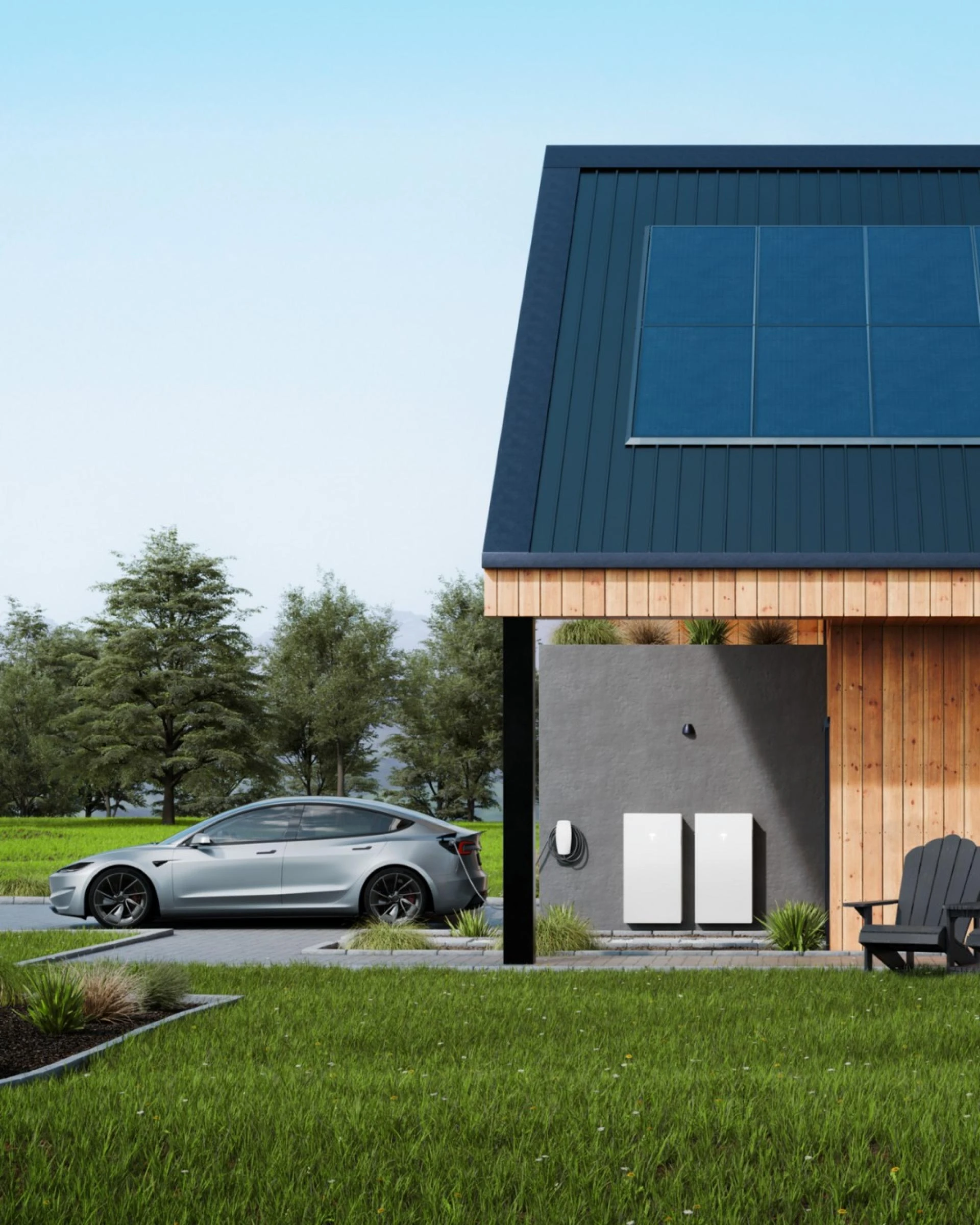

Going solar is one of the smartest investments you can make for your home, but before you sign any contracts or dream about zero electric bills, there's one critical question you need to answer: Is your roof actually ready for solar panels?
The good news? You can find out in less than 24 hours—often for free. Here's everything you need to know about getting your roof checked and what installers are really looking for.
Why Your Roof Matters More Than You Think
Installing solar panels on a roof that isn't ready is like building a house on a weak foundation. Solar systems last 25-30 years, so your roof needs to be in good shape to support them for the long haul.
A poor roof assessment can lead to:
- Expensive removal and reinstallation if your roof needs repairs later
- Voided warranties from both your roofing and solar companies
- Structural damage from improper installation
- Wasted money on a system that can't perform efficiently
What Makes a Roof "Solar-Ready"?
Professional solar installers check five key factors during a roof assessment:
1. Roof Age and Condition
Your roof should have at least 10-15 years of life remaining. If your shingles are curling, cracked, or nearing the end of their lifespan, replace the roof first. It's far cheaper to do roofing work now than to remove solar panels, fix the roof, and reinstall everything later.
2. Structural Integrity
Solar panels add 3-4 pounds per square foot to your roof. Installers check your roof decking, rafters, and trusses to ensure they can handle the extra weight. Older homes might need reinforcement, especially if you live in areas with heavy snow loads.
3. Sun Exposure
This is the big one. Your roof needs adequate sunlight to make solar worthwhile. Installers look for:
- South-facing sections (best in the Northern Hemisphere)
- Minimal shade from trees, chimneys, or neighboring buildings
- Clear sun exposure for at least 4-6 hours daily
A heavily shaded roof might only produce 50-60% of its potential energy, which dramatically affects your return on investment.
4. Roof Material
Some roofing materials work better with solar than others:
- Best: Asphalt shingles, metal roofing, tile
- Challenging: Wood shake, slate (can crack during installation)
- Problematic: Flat roofs with membrane systems (require special mounting)
5. Roof Angle and Pitch
The ideal roof pitch is between 15-40 degrees. Flatter or steeper roofs can still work but might need special mounting equipment or produce less energy. Installers can work with most roof angles, but it affects system design and cost.
How the Free 24-Hour Check Works
Most reputable solar companies offer a quick roof assessment at no cost. Here's the typical process:
Step 1: Virtual Assessment (Same Day)
Many companies start with satellite imagery and online tools. You provide your address, and within hours they can tell you:
- Estimated sun exposure on your roof
- Approximate roof size and usable space
- Potential energy production
- Preliminary cost estimates
Step 2: In-Person Inspection (Within 24-48 Hours)
A technician visits your home to:
- Walk your roof and check for damage
- Measure roof dimensions and angles
- Identify shading issues throughout the day
- Photograph problem areas
- Assess electrical panel capacity
- Evaluate mounting locations
Step 3: Detailed Report
You'll receive a comprehensive report showing:
- Whether your roof is solar-ready as-is
- Any repairs or upgrades needed
- Recommended system size
- Energy production estimates
- Cost breakdown and financing options
Red Flags That Your Roof Needs Work First
During the assessment, watch for these warning signs:
- Missing, damaged, or loose shingles - Indicates roof is near end of life
- Sagging roof sections - Structural weakness that must be fixed
- Water stains in your attic - Active leaks that need immediate attention
- Moss or algae growth - Can indicate moisture problems
- Exposed or rusted flashing - Needs repair before solar installation
If your roof needs work, don't panic. Combining a roof replacement with solar installation can actually save you money through combined labor costs and potential tax incentives.
Questions to Ask During Your Roof Check
Make the most of your free assessment by asking:
- "How many years of life does my roof have left?"
- "Will I need any structural reinforcements?"
- "What's the actual sun exposure on my roof throughout the year?"
- "How will you account for potential tree growth?"
- "Do you offer roof repair or replacement services?"
- "What happens if my roof needs work in 10 years?"
- "How do you prevent leaks around mounting points?"
The Cost of Ignoring Roof Readiness
Here's what happens if you skip the proper roof assessment:
Removing and reinstalling a typical 6kW solar system costs $3,000-$5,000. If you need to do this because your roof failed after just 5 years, you've essentially thrown away thousands of dollars. Plus, you'll lose solar production during the removal period.
Some insurance companies also won't cover damage from solar panels installed on faulty roofs, leaving you holding the bill for any problems.
What If Your Roof Isn't Ready?
Don't give up on solar just yet. You have options:
Option 1: Fix Your Roof First
Replace or repair your roof, then install solar. Many contractors offer discounts for bundled services. The tax credits for solar can offset some of the roofing costs indirectly by reducing your overall project investment.
Option 2: Ground-Mount Solar
If you have yard space, ground-mounted systems work great. They're often easier to maintain, can be angled perfectly for the sun, and don't require roof work at all.
Option 3: Wait and Save
If your roof has 5-7 years left, you might wait and do both projects together. Use this time to save up and research the best options.
Option 4: Community Solar
Subscribe to a community solar farm and get solar energy credits without any installation on your property. It's perfect for renters or people with unsuitable roofs.
How to Schedule Your Free Roof Check
Getting your roof assessed is simple:
- Research local solar installers with strong reviews and proper licensing
- Request quotes from 3-4 companies to compare assessments
- Check for hidden fees - The roof check should truly be free
- Verify credentials - Look for NABCEP certification and local licenses
- Read the fine print - Understand what the assessment includes
Most companies can schedule your assessment within 24-48 hours. Peak season (spring and summer) might take a few extra days.
The Bottom Line
Your roof is the foundation of your solar investment. A proper assessment takes just a few hours but can save you thousands of dollars in future headaches. Don't let excitement about going solar push you into a hasty decision.
Take advantage of free roof checks, ask plenty of questions, and make sure your home is truly ready before signing any contracts. A roof that's prepared for solar will give you decades of clean energy and savings.
Ready to find out if your roof can go solar? Contact local installers today for your free 24-hour assessment. The sun is waiting, and so are your savings.










Sign in to leave a comment.