
Islamic grammar schools provide an environment that balances religious teachings with a comprehensive academic curriculum, tailored to meet the needs of young Muslim girls. This blog explores various aspects of these institutions, delving into their educational frameworks, the role of religious teachings, extracurricular activities, community engagement, and more.
1. The Purpose and Vision of Islamic Grammar Schools
Islamic grammar schools aim to offer an education that integrates both secular and religious studies, ensuring students receive a well-rounded education. The vision behind these schools is to produce knowledgeable, confident, and morally upright individuals who can contribute positively to society. These institutions strive to foster a strong sense of identity and belonging, grounding students in their faith while equipping them with the skills necessary for the modern world.
2. Academic Excellence and Curriculum
The curriculum at Islamic grammar schools is designed to meet national education standards while incorporating Islamic teachings. Subjects such as Mathematics, Science, English, and History are taught alongside Islamic Studies, Arabic, and Quranic studies. This dual approach ensures that students excel academically and develop a deep understanding of their religion. The schools often employ qualified teachers who are adept at integrating Islamic perspectives into various subjects, making the learning experience holistic and enriching.
3. Religious Education and Moral Development
A significant component of Islamic grammar schools is their focus on religious education. Students are taught the Quran, Hadith (sayings of the Prophet Muhammad), Fiqh (Islamic jurisprudence), and other essential aspects of Islam. This religious education is not merely about rote learning; it emphasizes understanding, interpretation, and application of Islamic principles in everyday life. The schools aim to cultivate moral and ethical values, encouraging students to embody qualities such as honesty, compassion, and respect.
4. Extracurricular Activities and Personal Development
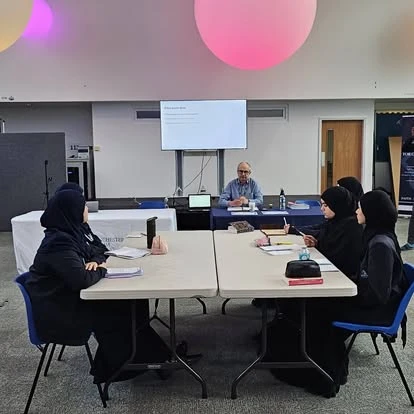
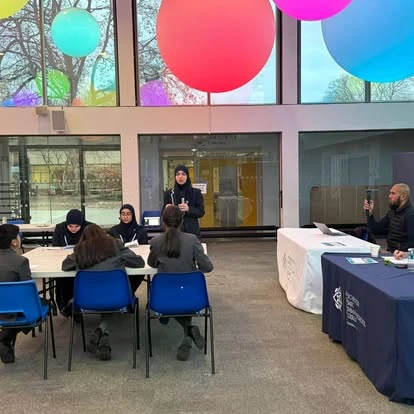
Beyond academics and religious studies, Islamic grammar schools offer a range of extracurricular activities designed to promote personal development. These activities may include sports, arts and crafts, debate clubs, and community service projects. By participating in these activities, students can develop leadership skills, teamwork, creativity, and a sense of social responsibility. Such programs are essential for nurturing well-rounded individuals who can thrive in diverse environments.
5. Creating a Supportive and Inclusive Environment
Islamic grammar schools strive to create a supportive and inclusive environment where every student feels valued and respected. This is achieved through policies that promote inclusivity, respect for diversity, and a zero-tolerance approach to bullying and discrimination. Teachers and staff are trained to support students’ emotional and psychological well-being, providing counseling and mentorship when needed. This nurturing environment helps students to grow in confidence and self-esteem.
6. Parental Involvement and Community Engagement
Parental involvement is a cornerstone of Islamic grammar schools. Parents are encouraged to actively participate in their children's education through regular communication with teachers, attending school events, and volunteering. This partnership between the school and parents strengthens the educational experience and reinforces the values taught at home and in school. Additionally, these schools often engage with the broader community, organizing events, and participating in interfaith dialogues to foster mutual understanding and cooperation.
7. Addressing Challenges and Overcoming Stereotypes
Islamic grammar schools and their students often face unique challenges, including societal stereotypes and misconceptions about Islamic education. These institutions work diligently to address and overcome these challenges by demonstrating academic excellence, community involvement, and the positive outcomes of their educational approach. By highlighting the achievements of their students and alumni, Islamic grammar schools challenge negative stereotypes and showcase the benefits of an integrated educational model.
8. Preparing for the Future: Higher Education and Career Opportunities
Islamic grammar schools are committed to preparing students for higher education and successful careers. Through rigorous academic training and career counseling, students are encouraged to pursue their passions and excel in various fields. The schools maintain strong relationships with universities and employers to provide students with opportunities for internships, scholarships, and mentorship programs. This proactive approach ensures that graduates are well-prepared to navigate the complexities of higher education and the professional world.
Conclusion
Islamic grammar schools play a vital role in shaping the future of young Muslim girls by providing an education that harmoniously blends religious and secular knowledge. These institutions create a nurturing and inclusive environment that fosters academic excellence, moral development, and personal growth. By engaging parents and the community, addressing challenges, and preparing students for future success, Islamic grammar schools contribute significantly to the development of confident, capable, and compassionate individuals who are well-equipped to make meaningful contributions to society.

























Sign in to leave a comment.