
Manchester, a vibrant and diverse city in the United Kingdom, is home to a substantial Muslim community. As the community has grown, so too has the demand for educational institutions that cater to Islamic values while providing a high standard of secular education. Islamic schools in Manchester are meeting this demand by offering an environment that combines academic excellence with religious teachings. In this blog, we explore various aspects of Islamic schools in Manchester, their roles, challenges, and contributions to society.
1. The Evolution of Islamic Education in Manchester
The history of Islamic education in Manchester dates back several decades, paralleling the growth of the Muslim population in the city. Initially, Islamic education was limited to informal settings such as mosques and community centers where children would learn Quranic recitation and basic Islamic teachings. Over time, the need for structured, comprehensive Islamic schooling became apparent. This led to the establishment of formal Islamic schools, which now number several in the city. These schools aim to provide a balanced education that integrates Islamic studies with the national curriculum.
2. Curriculum and Educational Approach
Islamic schools in Manchester offer a dual curriculum that includes both secular subjects and Islamic studies. This approach ensures that students receive a well-rounded education. The secular curriculum typically includes subjects such as English, Mathematics, Science, and Humanities, following the national standards set by the UK education system. Alongside these subjects, Islamic studies cover Quranic recitation, Hadith (teachings of the Prophet Muhammad), Fiqh (Islamic jurisprudence), and the Arabic language. This dual approach helps students excel academically while staying grounded in their faith.
3. Role of Islamic Values and Ethics
One of the defining features of Islamic schools in Manchester is their emphasis on Islamic values and ethics. These schools strive to instill moral principles such as honesty, respect, compassion, and responsibility. By integrating these values into daily lessons and interactions, Islamic schools aim to nurture students who are not only knowledgeable but also ethically sound. Character education is a core component, with teachers serving as role models who embody Islamic virtues.
4. Inclusivity and Diversity
Islamic schools in Manchester are known for their inclusive and diverse environments. While they primarily serve the Muslim community, many of these schools are open to students of all faiths and backgrounds. This inclusivity fosters a rich cultural exchange and helps build mutual respect and understanding among students. Furthermore, Islamic schools often celebrate diversity within the Muslim community itself, recognizing and respecting various cultural practices and traditions.
5. Academic Excellence and Extracurricular Activities
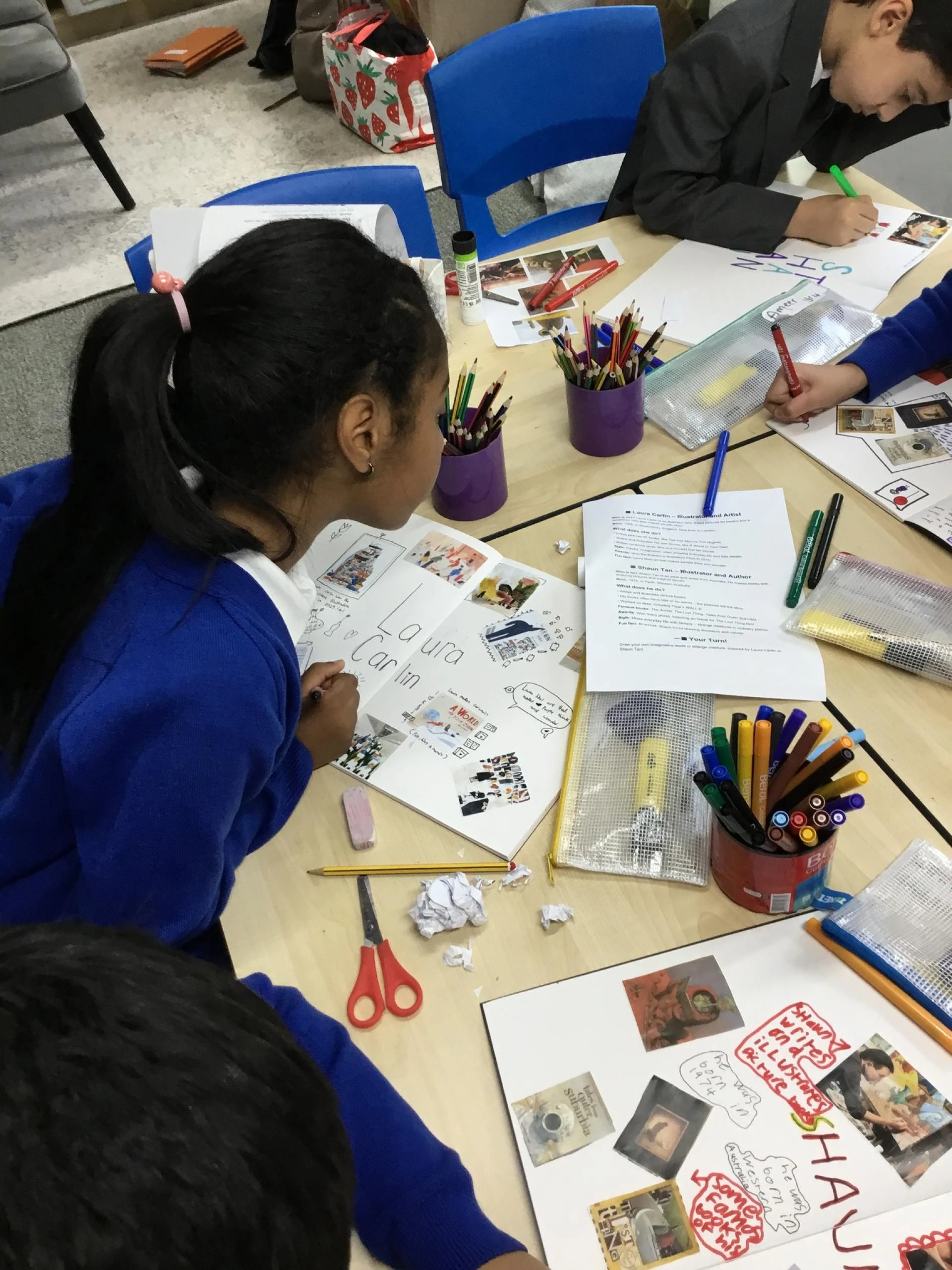
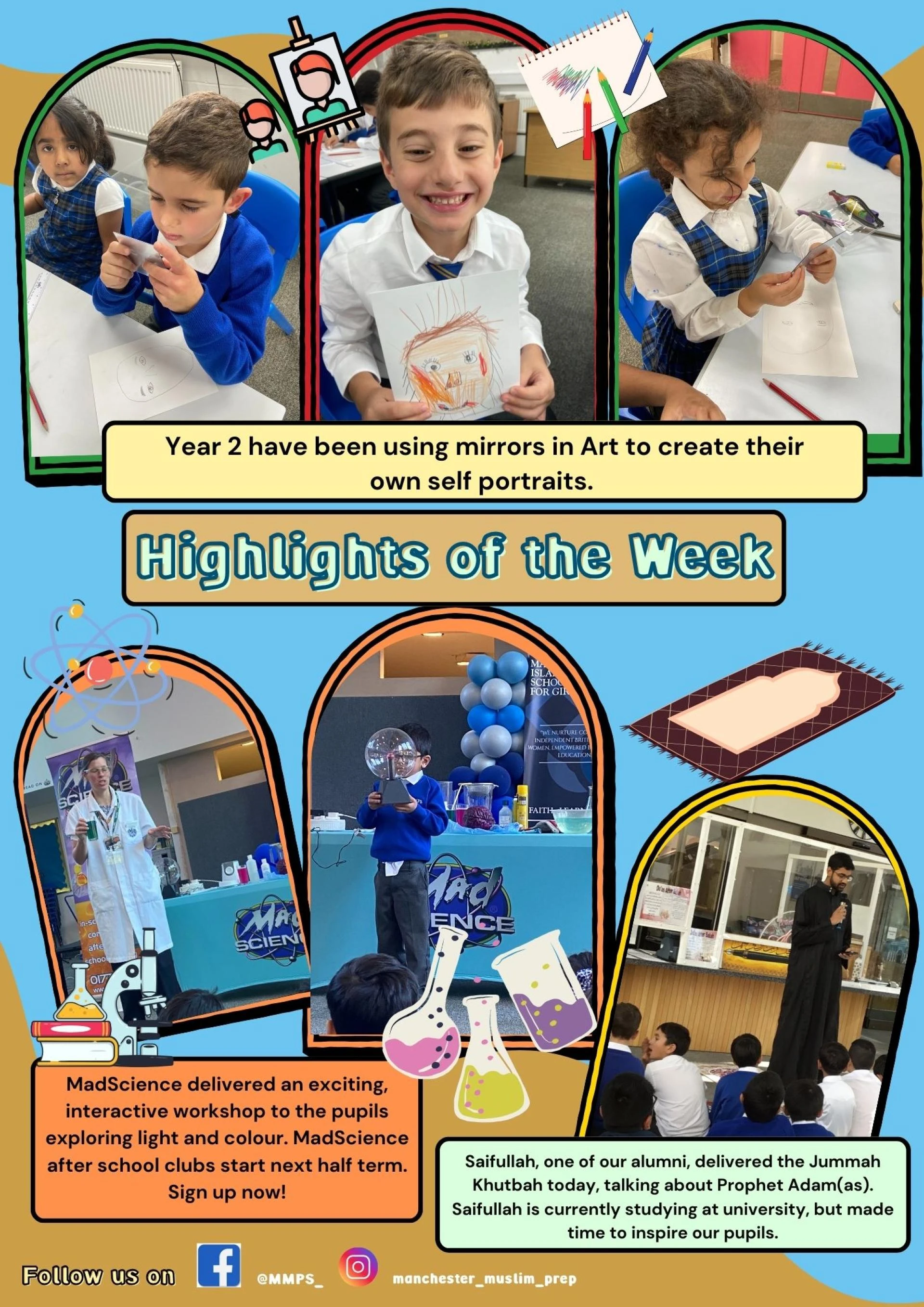
Contrary to some misconceptions, Islamic schools in Manchester place a strong emphasis on academic excellence. These schools often boast impressive examination results and high standards of teaching. Many Islamic schools in the city have received positive evaluations from Ofsted, the official body for inspecting schools in England. In addition to academics, these schools offer a variety of extracurricular activities, including sports, arts, and community service, providing students with opportunities to develop a wide range of skills and interests.
6. Challenges Faced by Islamic Schools
Despite their successes, Islamic schools in Manchester face several challenges. One major issue is funding; many of these schools are privately run and rely on tuition fees and community donations. This can limit their resources and ability to expand. Additionally, Islamic schools sometimes encounter societal prejudice and misconceptions. They must continually work to demonstrate their commitment to high educational standards and community integration. Navigating the balance between maintaining religious identity and meeting national educational requirements can also be challenging.
7. Community Engagement and Social Responsibility
Islamic schools in Manchester play a crucial role in community engagement and social responsibility. They often organize events and programs that benefit the wider community, such as interfaith dialogues, charity drives, and cultural festivals. These activities not only help students develop a sense of social responsibility but also promote positive relationships between the Muslim community and the broader society. By participating in community service, students learn the importance of contributing to the well-being of their community.
8. Future Prospects and Innovations
The future of Islamic schools in Manchester looks promising as they continue to evolve and innovate. Advances in technology are being integrated into classrooms, enhancing the learning experience through digital resources and interactive teaching methods. There is also a growing focus on mental health and well-being, with schools providing support services to address students' emotional and psychological needs. As the demand for Islamic education grows, there is potential for new schools to be established, further enriching the educational landscape of Manchester.
Conclusion
Islamic schools in Manchester are making significant contributions to the educational and social fabric of the city. By providing a balanced education that integrates academic rigor with Islamic values, these schools are nurturing well-rounded individuals who are equipped to contribute positively to society. While they face challenges, their commitment to excellence and community engagement continues to drive their success. As they look to the future, Islamic schools in Manchester will undoubtedly remain vital institutions for nurturing both the minds and souls of their students.
1 view


























Sign in to leave a comment.