
Introduction
Islamic secondary schools play a crucial role in the education and development of young Muslims worldwide. These institutions provide an environment where students can learn not only the academic subjects required for their future careers but also the moral and spiritual teachings of Islam. This combination ensures that students are well-rounded individuals who can contribute positively to society while maintaining their religious values. This blog explores the various aspects of Islamic secondary schools, including their curriculum, benefits, challenges, and the impact they have on students and communities.
The History and Evolution of Islamic Secondary Schools
Islamic secondary schools have a rich history that dates back to the early days of Islam. Initially, education in the Muslim world was primarily conducted in mosques and madrasahs, where students learned the Quran, Hadith, Fiqh (Islamic jurisprudence), and other religious sciences. Over time, as the need for a more structured and comprehensive education system grew, Islamic secondary schools began to emerge.
In the modern era, Islamic secondary schools have evolved to include a broader curriculum that encompasses both religious and secular subjects. This evolution reflects the changing needs of Muslim communities and their desire to provide their children with a balanced education that prepares them for the complexities of contemporary life while staying true to their faith.
Curriculum and Teaching Methods
The curriculum in Islamic secondary schools is designed to offer a balanced education that combines religious and secular studies. Core subjects typically include Islamic studies, Arabic language, Quranic studies, and Fiqh, alongside standard academic subjects such as mathematics, science, English, history, and geography. This integrated approach ensures that students receive a well-rounded education that equips them with the knowledge and skills needed for higher education and future careers.
Teaching methods in Islamic secondary schools often emphasize the importance of memorization, critical thinking, and character development. Students are encouraged to memorize Quranic verses and Hadith, engage in discussions about Islamic principles, and develop a deep understanding of their faith. Additionally, modern pedagogical techniques, such as collaborative learning, project-based learning, and technology integration, are increasingly being adopted to enhance the overall educational experience.
Benefits of Islamic Secondary Schools
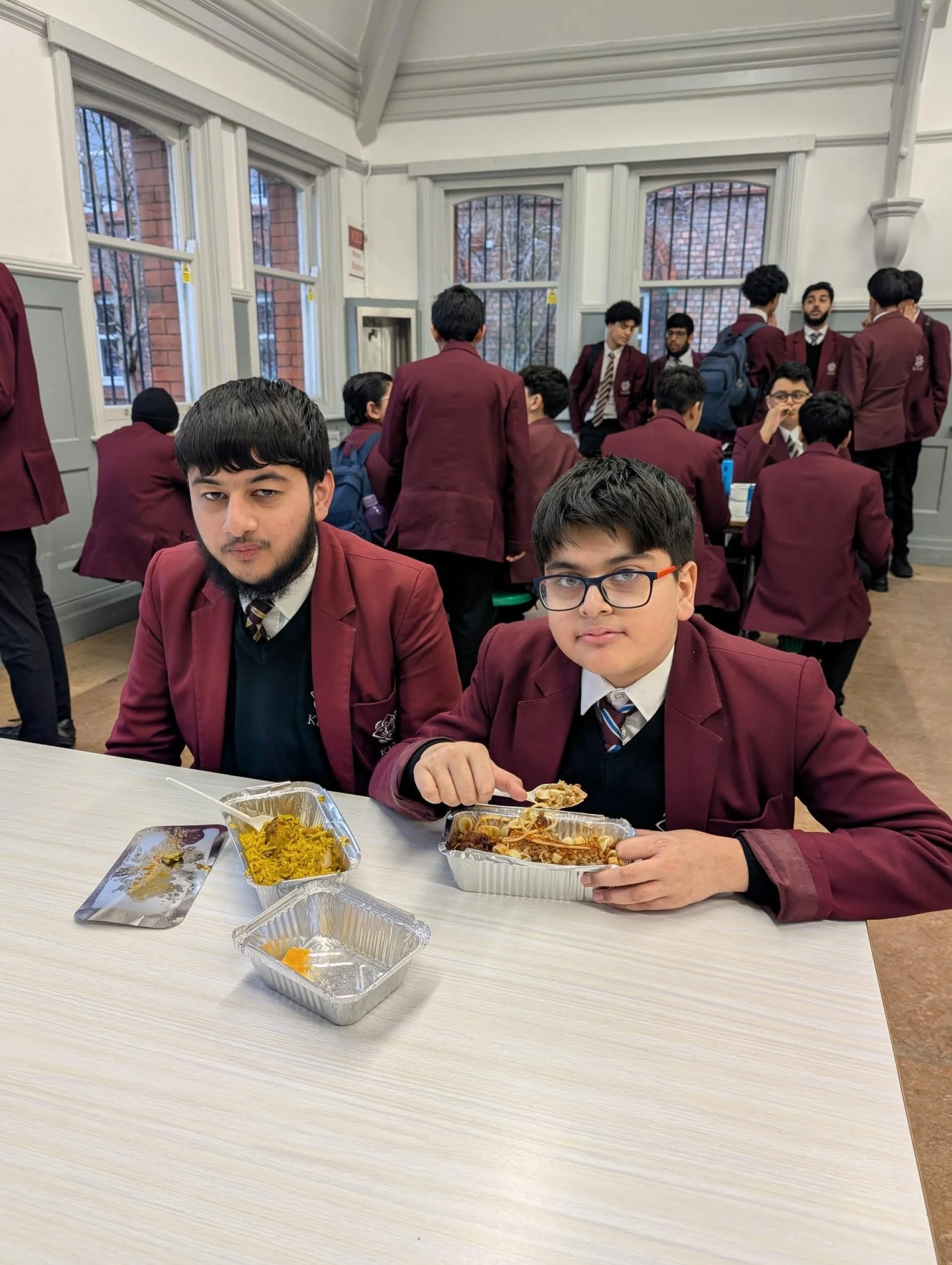
Islamic secondary schools offer numerous benefits to students and their families. One of the primary advantages is the opportunity for students to learn in an environment that aligns with their religious beliefs and values. This consistency between home and school can foster a strong sense of identity and belonging.
Furthermore, Islamic secondary schools often place a significant emphasis on character development and moral education. Students are taught the importance of honesty, integrity, compassion, and respect for others, which can positively influence their behavior and interactions within the broader community. Additionally, the close-knit community often found in these schools provides a supportive network for students and their families, fostering a sense of solidarity and mutual support.
Challenges Faced by Islamic Secondary Schools
Despite the many benefits, Islamic secondary schools also face several challenges. One of the most significant is the perception and misunderstanding of Islamic education by the wider society. This can sometimes lead to misconceptions and biases that negatively impact the reputation and acceptance of these schools.
Another challenge is the need for adequate funding and resources. Many Islamic secondary schools operate as private institutions and may struggle to secure sufficient financial support to maintain high standards of education and facilities. Additionally, finding qualified teachers who are well-versed in both Islamic and secular subjects can be a difficult task.
Balancing the demands of a rigorous academic curriculum with the requirements of religious education is another challenge. Ensuring that students excel in both areas without feeling overwhelmed requires careful planning and a dedicated teaching staff.
Role of Islamic Secondary Schools in Community Building
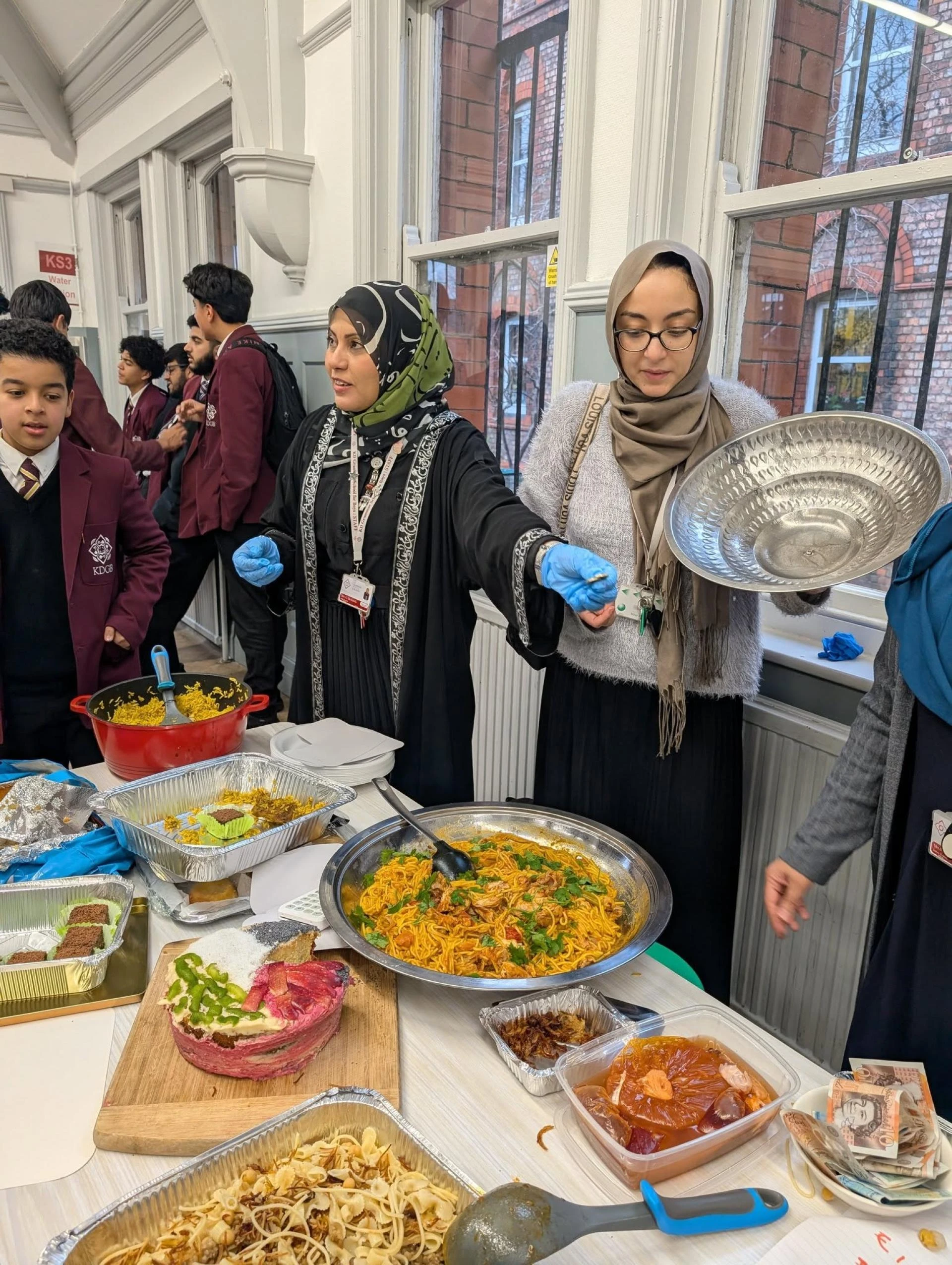
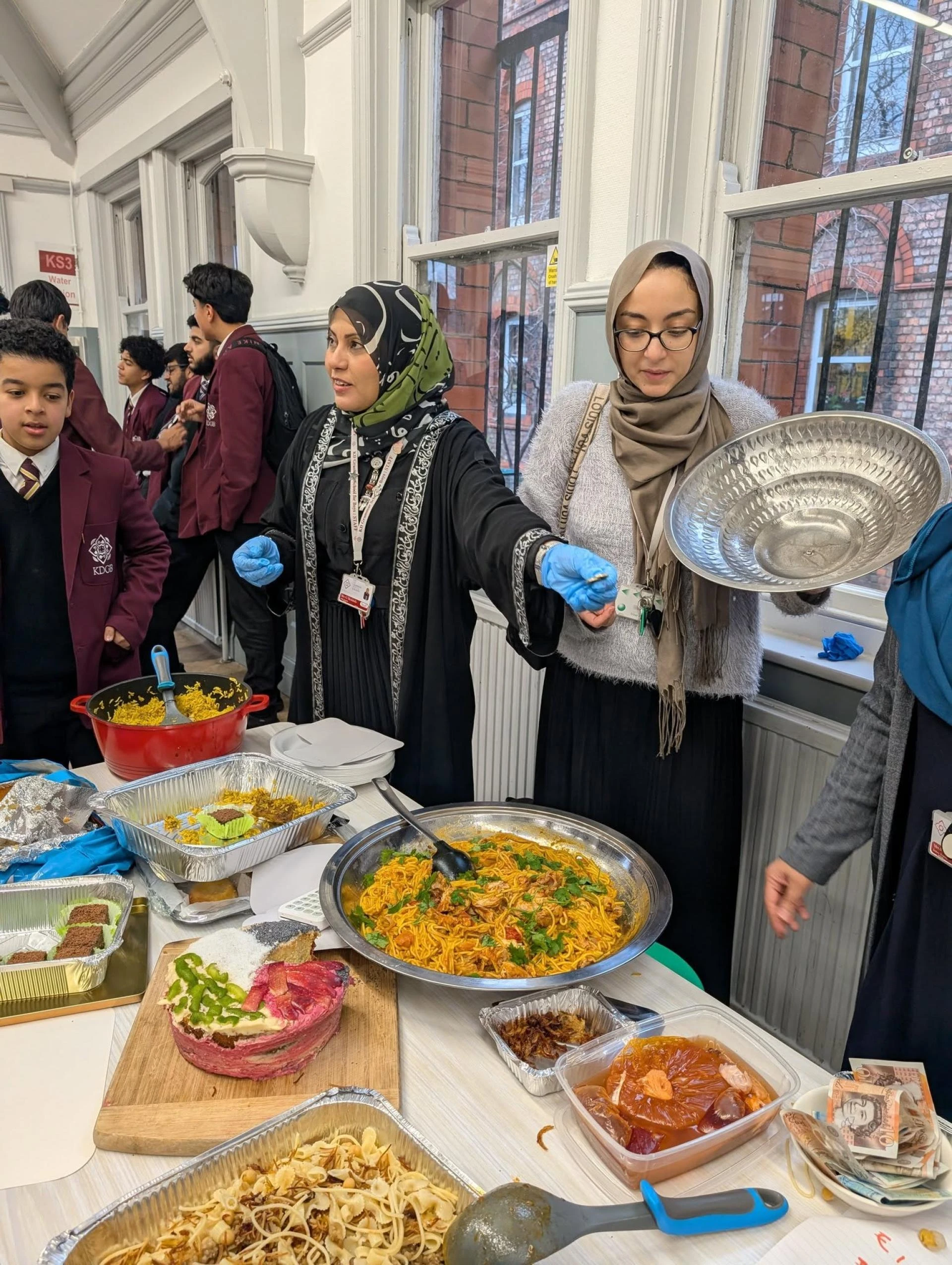
Islamic secondary schools play a vital role in community building by providing a space where young Muslims can come together to learn, grow, and support one another. These schools often serve as community hubs, hosting events, workshops, and social activities that bring families and community members together.
Through their emphasis on moral and ethical education, Islamic secondary schools also contribute to the development of responsible and compassionate individuals who are committed to making positive contributions to society. This sense of responsibility and community service is often encouraged through various outreach programs and volunteer opportunities organized by the schools.
Preparing Students for Higher Education and Careers
One of the primary goals of Islamic secondary schools is to prepare students for higher education and successful careers. The balanced curriculum ensures that students are well-equipped with the knowledge and skills needed to excel in university and beyond.
In addition to academic preparation, these schools often provide career counseling and guidance services to help students identify their strengths and interests and make informed decisions about their future paths. Many Islamic secondary schools also have strong networks with universities and employers, which can provide valuable opportunities for internships, scholarships, and job placements.
Incorporating Modern Technology and Pedagogy
To keep pace with the rapidly changing educational landscape, many Islamic secondary schools are incorporating modern technology and pedagogical approaches into their teaching methods. This includes the use of digital tools and resources, interactive learning platforms, and online collaboration tools to enhance the learning experience.
Innovative teaching methods, such as flipped classrooms, project-based learning, and blended learning, are also being adopted to engage students more effectively and foster a deeper understanding of the material. By integrating these modern approaches, Islamic secondary schools can provide a dynamic and engaging education that prepares students for the challenges of the 21st century.
Success Stories and Notable Alumni
Many Islamic secondary schools have produced successful and notable alumni who have made significant contributions to various fields, including academia, business, medicine, law, and community service. These success stories serve as powerful examples of the positive impact that a well-rounded Islamic education can have on an individual's life.
By highlighting these achievements, Islamic secondary schools can inspire current and prospective students to strive for excellence and pursue their dreams with confidence. Furthermore, these success stories help to counteract any negative perceptions and demonstrate the value of an Islamic education in today's world.
Conclusion
Islamic secondary schools play a crucial role in shaping the future of young Muslims by providing a balanced education that integrates religious and secular studies. Despite the challenges they face, these schools offer numerous benefits, including a supportive learning environment, strong moral and ethical education, and preparation for higher education and careers. By continuing to evolve and incorporate modern teaching methods and technologies, Islamic secondary schools can ensure that their students are well-prepared to navigate the complexities of contemporary life while staying true to their faith. Through their dedication to community building and character development, these institutions contribute positively to society and help foster a generation of responsible, compassionate, and well-rounded individuals.
























Sign in to leave a comment.