
Struggling to conceive despite your best efforts? You are not alone, and are not without options. Whether you have been trying for months or are just starting to begin looking for fertility treatments, Intrauterine Insemination (IUI) might be the next step you have been searching for.
IUI and pregnancy often go hand in hand for those individuals dealing with mild fertility challenges. It is a safe, science-backed, and minimally invasive option that has helped many couples to begin their path to parenthood.
According to the World Health Organization, 1 in 6 people globally face infertility. But thanks to advances in reproductive medicine, treatments like IUI make conception more achievable, and affordable than ever before.
This guide will walk you through everything: the IUI procedure, what to expect after treatment, success rates, and how to feel confident and cared for every step of the way.
What Is IUI?
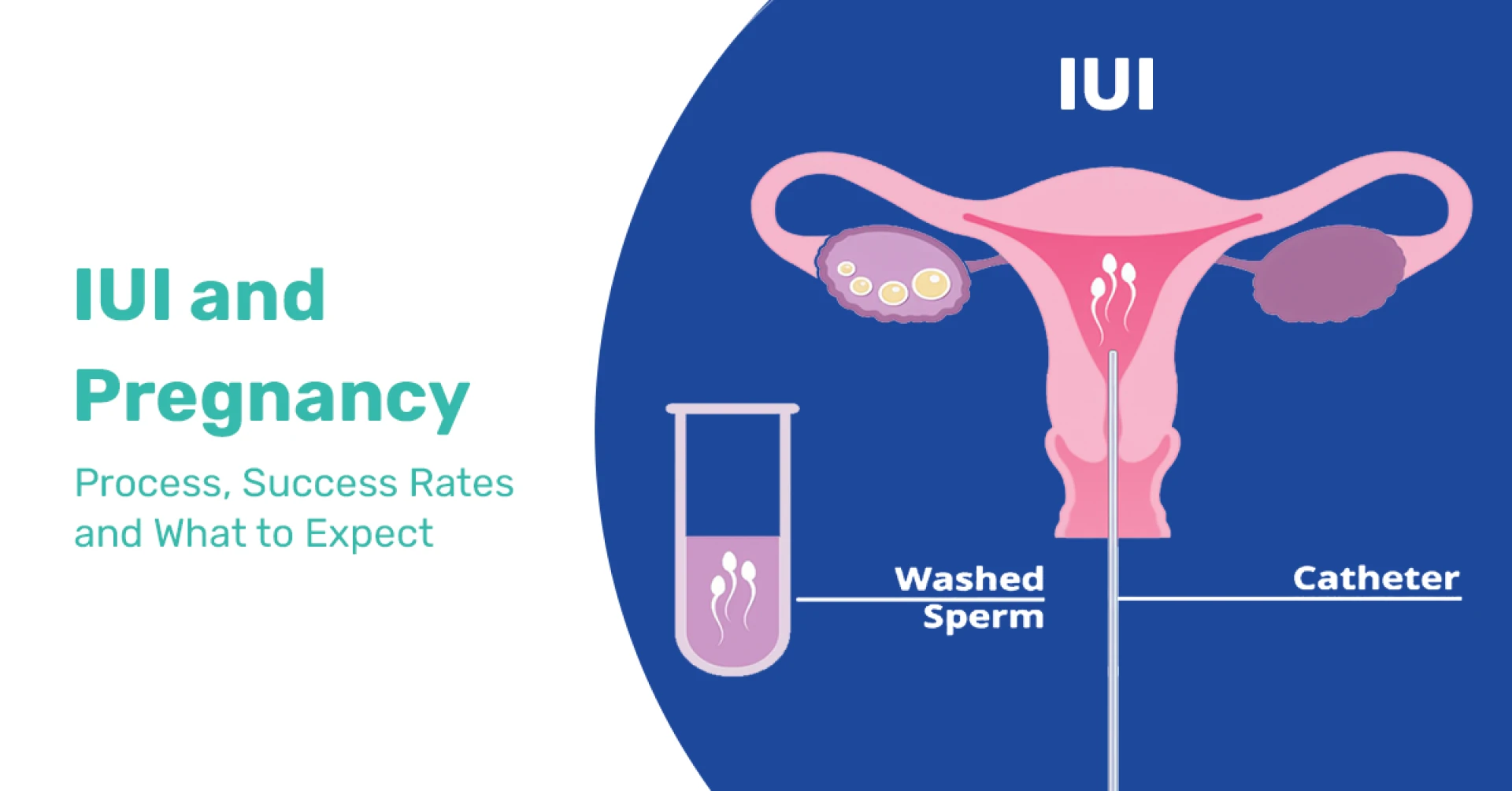
IUI (Intrauterine Insemination) is a fertility treatment that involves placing washed, high-quality sperm directly into the uterus during ovulation. This increases the chances of fertilization by helping the sperm get closer to the egg, giving nature a scientifically guided assist.
IUI may be recommended for:
- Mild male infertility (low sperm count or motility)
- Cervical mucus issues
- Use of donor sperm (single parents or same-sex couples)
- Unexplained infertility
It is often the first fertility treatment recommended by consultants before moving on to more complex options like IVF.
What Happens During an IUI Cycle? IUI Procedure Step by Step
Feeling unsure about what to expect? There is no need to worry. Understanding the steps of an IUI cycle can ease your anxiety, provide you clarity and help you feel more in control of your fertility journey.
Here’s what typically happens:
1. Ovulation Monitoring
Your doctor will track your menstrual cycle using blood tests and ultrasounds. You may also receive medications to help stimulate ovulation at just the right time.
2. Sperm Washing
A semen sample is collected and prepared in the lab to identify the healthiest and most active sperm.
3. Insemination Procedure
Using a thin, soft catheter, the washed sperm is gently placed directly into the uterus. It is a quick, usually painless procedure, and carried out in the clinic.
4. Rest
You’ll be asked to lie down and rest for about 10–15 minutes before going about your day.
5. The Two-Week Wait
Then comes the hardest part, waiting for the result. About 14 days later, you’ll take a pregnancy test to confirm the result.
Every step of the process is guided by expert care, using proven scientific techniques and personalised for precise timing to boost your chances of conceiving.
What to Expect After IUI?
What if I do not feel any symptoms at all… or feel everything all at once? After IUI, every experience is different and that is perfectly normal. Some feel subtle symptoms. Others feel nothing at all. Either way, your body is doing what it needs to.
You might experience:
- Mild cramping or bloating
- Spotting
- Breast tenderness
- Mood swings (especially if fertility medications are involved)
These signs may feel like early pregnancy symptoms or your usual premenstrual symptoms. It is impossible to say at this stage about conceiving. So, the best thing you can do is be kind to your body and trust your fertility specialist.
IUI Success Rates: What the Numbers Say
Success with IUI depends on many things, especially age, diagnosis by the fertility consultants, and sperm quality.
|IUI Success Rates by Age Group (Per Cycle):
- Under 35 years: 10% to 20%
- Ages 35 to 40: 10% to 12%
- Over 40 years: 5% to 7%
Fertility experts typically recommend 3 to 6 IUI cycles before considering a shift to IVF or other treatments.
Remember: You are not a statistic. With the right support and medical guidance, your success story is uniquely yours.
IUI vs. IVF: Which Is Right for You?
You may be wondering: Should I try IUI or jump straight to IVF?
Here’s a quick comparison between IUI and IVF:
- Invasiveness:
IUI is minimally invasive, while IVF is a surgical and more complex procedure.
- Cost:
IUI is generally more affordable. IVF tends to be more expensive.
- Ideal For:
IUI is suitable for cases like mild infertility or when using donor sperm.
- IVF is ideal for issues like blocked fallopian tubes or severe male infertility.
- Success Rate:
IUI has a lower success rate per cycle.
IVF has a higher success rate – up to *70% for women under 35.
*ART Fertility Clinics has a proven success rate of 70% globally
Your fertility specialist will guide you based on your health condition, age, and goals. IUI is often a great first option when the issues are mild or unexplained.
When Is the Best Time for IUI and Pregnancy?
Timing is everything in fertility treatment.
The optimal window for IUI is 24–36 hours after ovulation is triggered with a hormonal injection. This is why precise monitoring by a fertility specialist is key, it ensures your treatment takes place at the precise time.
IUI Side Effects: What’s Normal?
IUI is generally very safe. But you may notice:
- Spotting or light bleeding
- Cramping
- Mood changes
- Breast tenderness
These symptoms are typically mild and temporary. If you experience intense pain, fever, or heavy bleeding, contact your doctor immediately.
Symptoms After IUI: Are These Pregnancy Signs?
It is tempting to interpret every twinge or mood swing as a possible sign of pregnancy. Common early signs may include:
- Fatigue
- Light nausea
- Frequent urination
- Implantation spotting
But here’s the truth: hormones from your treatment can cause these symptoms too. The only way to know for sure is to wait for your pregnancy test (Beta Hcg).
Conclusion
IUI isn’t just a treatment, it is a turning point, a place where science meets heart, and possibility meets preparation. For many families, IUI has been the first big step toward the little heartbeat they long to hear.
At ART Fertility Clinics, we combine clinical excellence with compassionate care and transparency walking alongside you from first consultation to final result. Our specialists use cutting-edge technology, global standards, and provide personalised treatment to make sure your journey is as supported as possible.
Your journey is valid. Your hopes are real. And your dream of parenthood is absolutely possible.
Frequently Asked Questions
1. Are babies born from IUI healthy?
Yes. IUI babies are just as healthy and normal as those conceived naturally. IUI does not increase risk of abnormalities.
2. Is IUI painful?
Most people describe it as mildly uncomfortable — like a Pap smear. It’s usually quick and well-tolerated.
3. When can I take a pregnancy test after IUI?
Wait 14 days after the procedure. Testing too early may lead to inaccurate results.
4. Can I have twins with IUI?
Yes, but it’s due to fertility medications, not the procedure itself. These can stimulate multiple eggs.
5. How many times should I try IUI before IVF?
Fertility specialists generally recommend 3 to 6 cycles of IUI before exploring IVF, depending on age and what your fertility specialist suggests.


























Sign in to leave a comment.