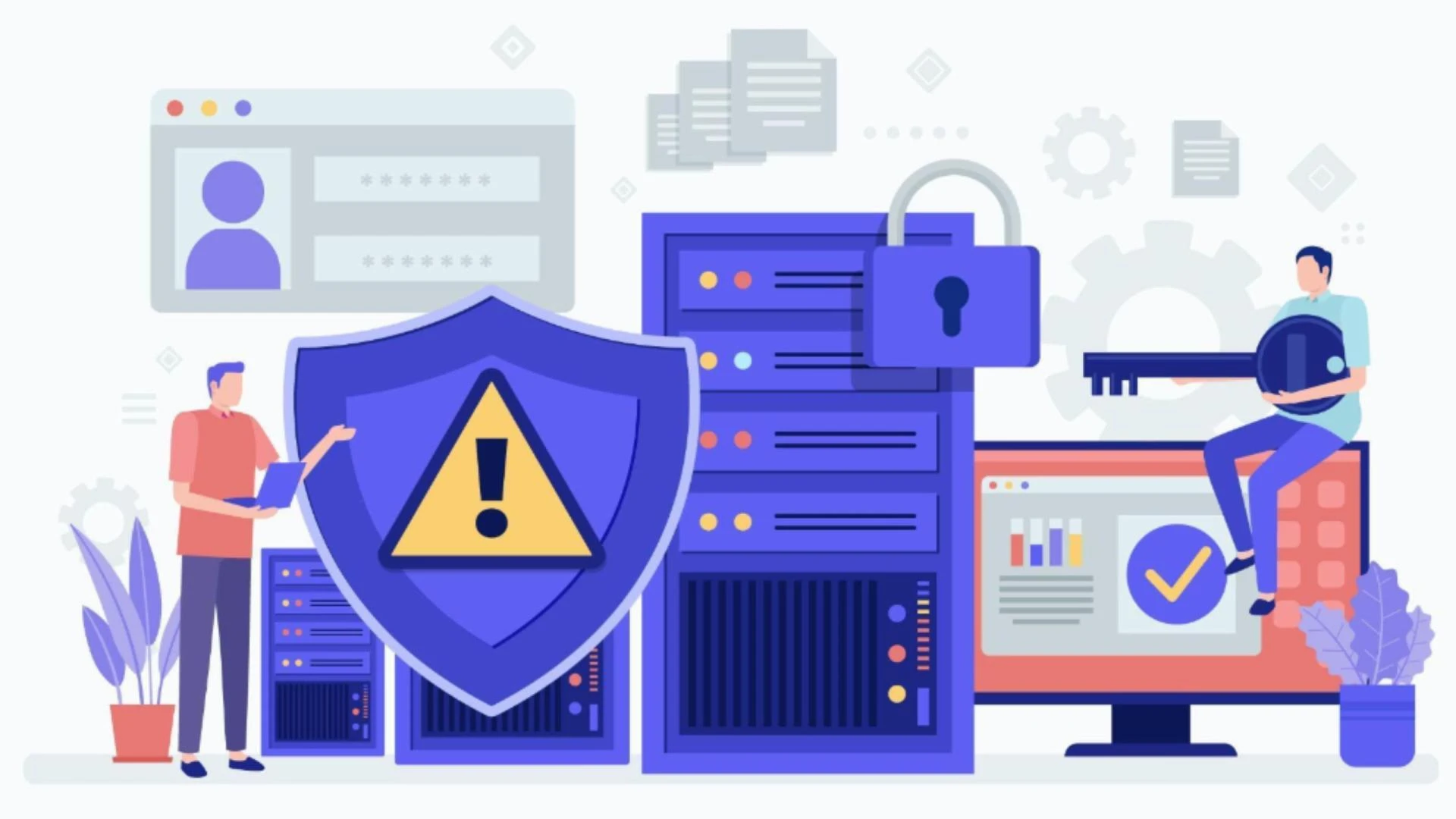

Discover comprehensive cybersecurity protection strategies for businesses in 2026. Learn how to safeguard your data, prevent attacks, and stay secure online.
In today's digital age, protecting your business from cyber threats is more crucial than ever. With an increasing number of cyberattacks, data breaches, and malware infections, ensuring robust cybersecurity protection has become a top priority for businesses worldwide. This guide will walk you through the essential cybersecurity protection measures to keep your organization safe from online threats.
What is Cybersecurity Protection?
Cybersecurity protection refers to the practices, technologies, and measures taken to safeguard systems, networks, and data from digital attacks. These attacks can range from phishing emails to sophisticated hacking efforts aimed at stealing sensitive information or disrupting operations. The primary goal of cybersecurity protection is to defend against unauthorized access, data theft, and damage to IT infrastructure.
Why Cybersecurity Protection is Essential for Your Business
- Preventing Financial Loss: Cyberattacks can cause significant financial harm, including direct theft and the cost of recovering from a breach. Small businesses, in particular, are vulnerable, as they often lack the resources to handle large-scale attacks.
- Protecting Sensitive Data: Businesses collect and store sensitive information, including customer data, financial records, and intellectual property. Without adequate cybersecurity protection, this information is at risk of being exposed or stolen.
- Maintaining Customer Trust: A breach in cybersecurity can erode the trust that customers place in your business. By implementing robust protection strategies, you ensure that customer data remains safe, which builds trust and loyalty.
- Compliance with Regulations: Many industries have regulations requiring businesses to protect sensitive data. Non-compliance can lead to fines and legal consequences. Ensuring cybersecurity protection helps you meet these legal obligations.
Key Elements of Cybersecurity Protection
To establish a strong cybersecurity protection plan, several critical elements need to be considered:
1. Firewalls and Intrusion Detection Systems
A firewall acts as a barrier between your business's network and external threats. It monitors incoming and outgoing traffic and blocks potential threats. Intrusion detection systems (IDS) add an additional layer of protection by identifying suspicious activities and alerting administrators in real-time.
2. Data Encryption
Data encryption converts sensitive information into an unreadable format unless accessed with a decryption key. By encrypting sensitive files and communications, businesses can ensure that even if cybercriminals access the data, they won't be able to make sense of it.
3. Multi-Factor Authentication (MFA)
Multi-factor authentication adds an extra layer of security by requiring users to provide two or more forms of identification. This may include something they know (like a password), something they have (like a phone), or something they are (like a fingerprint). MFA makes it harder for unauthorized individuals to gain access to your business's systems.
4. Employee Training and Awareness
One of the weakest links in any cybersecurity protection strategy is the human element. Employees must be educated on how to spot phishing scams, avoid malware, and follow best practices for securing data. Regular training helps reduce the risk of accidental data breaches.
5. Regular Software Updates and Patching
Keeping your software, operating systems, and applications up to date is crucial for cybersecurity protection. Cybercriminals often exploit vulnerabilities in outdated software to gain unauthorized access to systems. Regularly applying security patches ensures that your systems remain protected.
How to Implement Cybersecurity Protection in Your Business
To successfully implement cybersecurity protection, businesses must take a structured approach. Here’s how you can get started:
- Assess Your Risks: Begin by identifying potential vulnerabilities in your network, software, and hardware. Regularly perform security audits to assess any weaknesses.
- Implement Layered Security: Use multiple security measures, such as firewalls, antivirus software, and encryption, to create a robust security posture.
- Develop an Incident Response Plan: In case of a breach, it's important to have a clear plan in place for how to respond. This plan should include steps for containing the attack, notifying stakeholders, and restoring operations.
- Backup Your Data: Regularly back up your data to prevent loss in the event of a ransomware attack or system failure. Ensure backups are stored securely and can be accessed quickly in an emergency.
- Monitor and Adapt: Cybersecurity threats are constantly evolving. Continuously monitor your systems for suspicious activity and adapt your security strategies as needed.
Frequently Asked Questions (FAQ)
What are the best cybersecurity protection tools for businesses?
The best cybersecurity protection tools for businesses include firewalls, antivirus software, multi-factor authentication, and encryption tools. Each of these elements helps protect different aspects of your business from cyber threats.
How can cybersecurity protection prevent data breaches?
Cybersecurity protection prevents data breaches by securing sensitive information through encryption, access controls, and continuous monitoring for unauthorized access. By preventing these breaches, businesses can protect both their data and their reputation.
How often should cybersecurity protection measures be updated?
Cybersecurity protection measures should be updated regularly, at least quarterly or whenever new security threats arise. It's crucial to stay up to date with software patches and emerging vulnerabilities to protect against the latest threats.
Is cybersecurity protection necessary for small businesses?
Yes, cybersecurity protection is critical for small businesses. Small businesses are often targeted by cybercriminals because they may lack the resources and knowledge to implement strong security measures. Effective cybersecurity protection can prevent costly data breaches.
How does multi-factor authentication improve cybersecurity protection?
Multi-factor authentication enhances cybersecurity protection by requiring more than just a password to access systems. This additional layer of security makes it more difficult for cybercriminals to gain unauthorized access, even if they have a password.
Can cybersecurity protection prevent all cyberattacks?
While no system is entirely foolproof, strong cybersecurity protection significantly reduces the risk of cyberattacks. By implementing multiple security measures and educating employees, businesses can minimize the chances of an attack being successful.
Conclusion
Cybersecurity protection is an essential part of modern business operations. With the growing threat of cyberattacks, implementing strong protection strategies is the best way to safeguard your business's data, reputation, and bottom line. Start by assessing your risks, using a layered security approach, and training your employees to stay secure.































Sign in to leave a comment.