The shape of a dining table can influence more than where the plates go. It can affect how people sit, where they look, how easily conversation moves, and whether a meal feels formal or relaxed. A Japandi Round Dining Table brings everyone toward a shared center, creating an atmosphere that feels naturally social.
There is no obvious “best seat” around a circular surface. Everyone has a similar relationship to the middle, and that changes the character of the room. A family breakfast can feel more connected. A dinner with friends can become less structured. Even a quiet meal for two can feel more intimate.
This makes the round silhouette particularly appealing for homes where the dining area needs to do more than host meals. Modern households often use dining tables for homework, remote work, creative projects, board games, coffee, and conversations that continue long after dinner plates have disappeared.
The table therefore needs to feel approachable.
Japandi design offers an interesting answer because it values simplicity without sacrificing warmth. Clean forms prevent the furniture from becoming visually overwhelming, while natural finishes and tactile materials help the space retain personality.
A circular surface can also soften a room filled with straight architectural lines. Walls, cabinets, shelving, windows, and flooring often create strong horizontal and vertical shapes. Introducing a curved element breaks that repetition and gives the eye a different path through the space.
The styling possibilities are surprisingly broad. A low ceramic bowl can create a simple centerpiece. A small arrangement of branches can add height. A few candles can create atmosphere in the evening. Or the center can remain completely clear when the table is being used for food and conversation.
Chair selection can shift the mood considerably. Upholstered chairs can make the arrangement softer and more relaxed. Timber seating can strengthen the natural character. Contrasting chairs can make the room feel collected rather than overly coordinated.
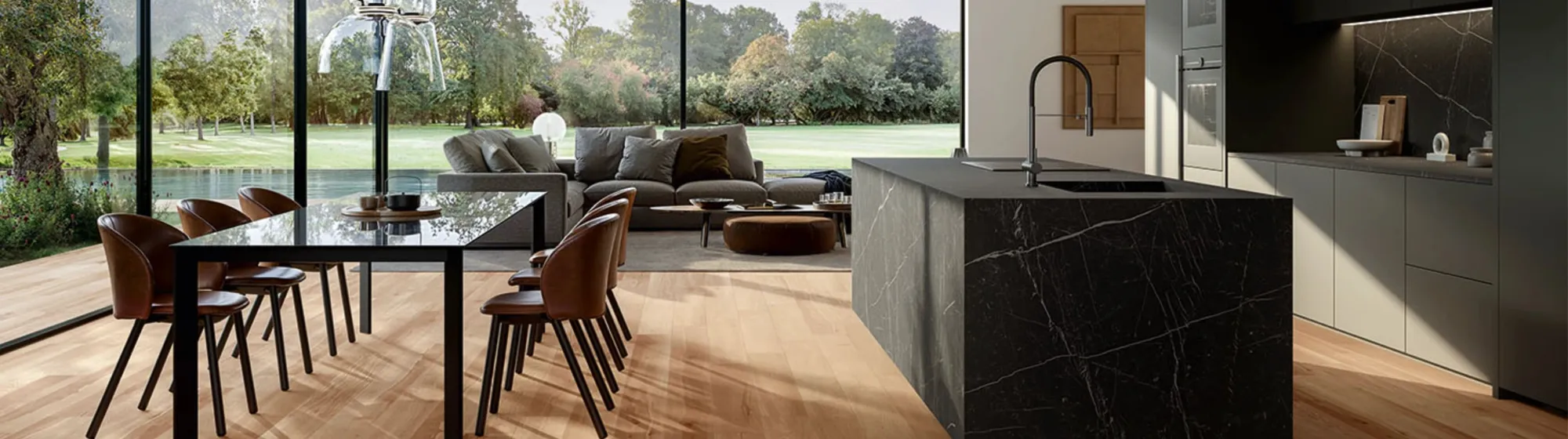
Lighting should reinforce the geometry rather than fight against it. A pendant positioned centrally can highlight the circular shape and create a comfortable glow over the dining area once daylight disappears.
The practical side is just as important. A dining table should accommodate real life without requiring constant caution. Family meals are rarely perfectly controlled. Someone spills a drink. A child draws on paper. Friends bring extra plates. A good dining space should welcome those moments.
Natural materials can make such spaces feel less sterile because their variations introduce visual warmth. Slight differences in grain and texture prevent the room from appearing manufactured from a single catalogue.
Most importantly, dining furniture should encourage people to remain seated. The best meal isn't always the most elaborate one; sometimes it is the one followed by another hour of conversation.
A Japandi Round Dining Table creates that possibility through a simple change in geometry. By bringing people toward one shared center, a Japandi Round Dining Table can transform the dining area from a place where meals happen into a setting where relationships, stories, and everyday rituals naturally unfold.























Sign in to leave a comment.