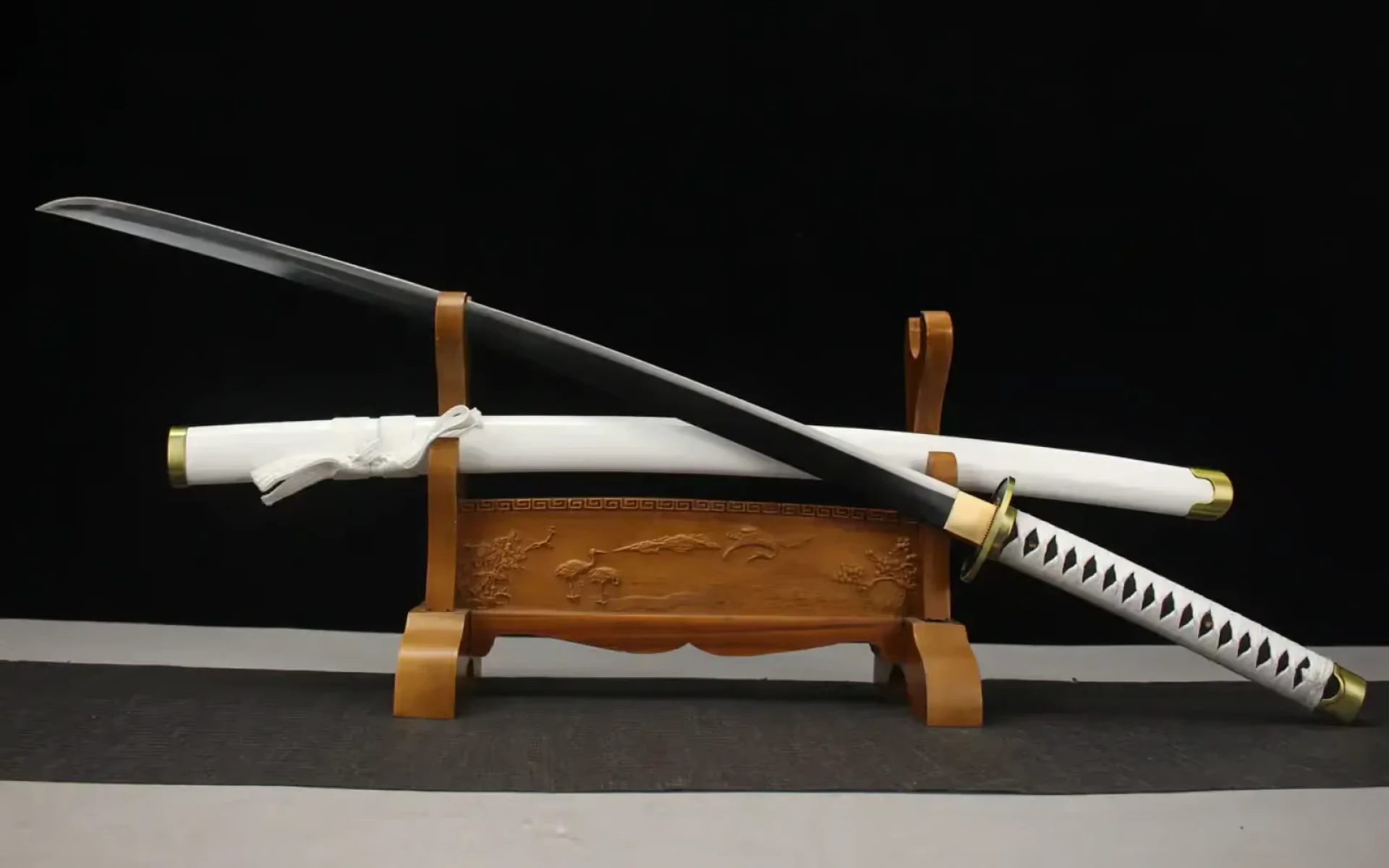

Japanese sword design is widely respected for its ability to blend practical performance with centuries-old tradition. Unlike many historical weapons that evolved solely for combat efficiency, Japanese blades reflect a deeper philosophy. They combine structural precision, artistic refinement, and cultural symbolism into a single form.
Understanding how performance and tradition coexist within Japanese sword design offers insight into why these blades continue to captivate collectors and martial artists around the world.
Historical Foundations of Design
The design of Japanese swords was shaped by battlefield experience and disciplined martial practice. Swordsmiths refined curvature, edge geometry, and balance based on real-world use. Over time, the katana emerged as the most recognizable example of this evolution.
Traditional forging methods involved folding steel to remove impurities and applying differential heat treatment to harden the edge while keeping the spine flexible. This balance between hardness and resilience allowed the blade to withstand stress while maintaining sharpness.
Even today, many modern makers preserve these techniques to maintain authenticity.
Blade Geometry and Cutting Efficiency
Performance begins with blade geometry. The gentle curvature of the katana supports efficient slicing movements rather than relying on blunt force. This design reduces resistance during cutting and enhances control during practice.
The edge angle and thickness also play crucial roles. A well-designed blade maintains sharpness without becoming overly brittle. Proper heat treatment ensures that the cutting edge is durable while the body of the blade absorbs impact.
These engineering principles demonstrate how function has always guided form.
Balance and Weight Distribution
A defining feature of Japanese sword design is careful balance. The relationship between blade length, handle size, and weight distribution determines how the sword feels in motion. Martial arts disciplines require fluid transitions between offensive and defensive movements, making proper balance essential.
Swordsmiths calculate these proportions carefully. Even minor adjustments can significantly affect handling. Collectors researching functional blades often explore reputable online samurai sword store platforms to better understand how balance specifications influence performance standards.
The Role of Tradition in Modern Craftsmanship
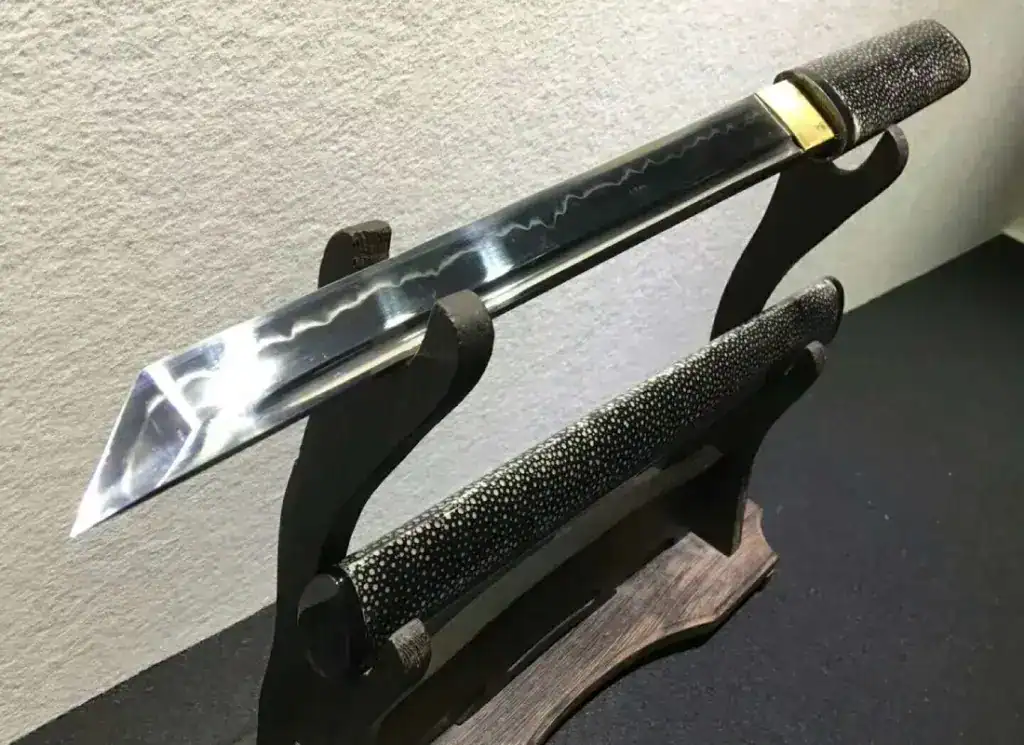
While performance remains critical, tradition continues to guide design choices. The visible hamon line, the texture of folded steel, and the decorative elements of the guard and scabbard reflect artistic heritage. These features are not purely ornamental; they connect modern blades to historical craftsmanship.

Many contemporary sword makers combine traditional aesthetics with modern metallurgy. High-carbon steels and precise tempering methods allow improved durability while preserving classical design elements.
This blend of old and new ensures that the spirit of traditional sword-making endures.
Structural Integrity and Safety
A functional Japanese sword must meet high structural standards. Full tang construction provides strength and stability, ensuring that the blade extends securely through the handle. Secure fittings and proper assembly reduce the risk of failure during controlled practice.
These safety considerations demonstrate how performance is inseparable from responsible engineering. Modern collectors increasingly prioritize structural integrity alongside historical accuracy.
Cultural Meaning in Design
Beyond mechanics, Japanese sword design carries cultural significance. Historically associated with samurai values such as honor and discipline, the sword symbolized personal responsibility. Even in modern times, these symbolic meanings influence how collectors and practitioners approach ownership.
Respect for tradition encourages careful maintenance, proper storage, and mindful handling. In this way, cultural values continue to shape modern engagement with Japanese swords.
The Harmony Between Art and Engineering
Perhaps the most remarkable aspect of Japanese sword design is its harmony. The blade’s curve, the visible temper line, and the precise balance all serve functional purposes while contributing to aesthetic beauty.
This duality explains why Japanese swords are admired globally. They are not merely weapons or decorative objects; they are examples of engineering shaped by cultural philosophy.





Sign in to leave a comment.