

Social work is a profession dedicated to enhancing the well-being and quality of life of individuals, familiesa, groups, and communities. Social workers aim to address and alleviate social problems, promote social justice, and empower individuals and communities to overcome challenges. The primary focus of jobs in social work is about helping people navigate and cope with various life situations, advocating for social change, and promoting the development of human potential and dignity.
Key Principles and Values That Guide about Jobs in Social Work
Service:
Indeed, social work jobs are committed to helping people and addressing social issues to enhance the overall well-being of individuals and communities.
Social Justice:
Social workers strive to promote fairness, equity, and equality in access to resources, opportunities, and rights, challenging discriminatory practices and advocating for the rights of marginalized or oppressed groups.
Dignity and Worth of the Person:
Social workers recognize and respect the inherent value and worth of each individual, emphasizing the importance of treating people with respect, empathy, and compassion.
Importance of Human Relationships:
Social work emphasizes the significance of human connections and relationships. Social workers work to strengthen relationships and support networks to help individuals and communities thrive.
Integrity:
Social workers uphold ethical standards, honesty, and transparency in their professional practice, maintaining the trust and confidence of those they serve.
Competence:
Social workers continually strive to enhance their professional knowledge, skills, and abilities to provide effective and evidence-based interventions.
Social workers engage in a wide range of activities, including counseling, advocacy, community organizing, policy analysis, research, and education. The jobs in social work are in diverse settings such as schools, hospitals, community organizations, government agencies, and private practices, with the overarching goal of promoting social justice and enhancing the overall well-being of individuals and communities.
Jobs in social Work
Social work is a diverse field with various job opportunities across different sectors and settings. Here are some common types of jobs in social work:
1. Child and Family Social Worker:
These professionals work with children and families in various settings such as child welfare agencies, schools, or community organizations. They may help families navigate issues such as abuse, neglect, or adoption.
2. Clinical Social Worker:
Clinical social workers provide mental health services to individuals, families, and groups. They diagnose and treat mental, emotional, and behavioral disorders, often working in settings like hospitals, clinics, or private practice.
3. School Social Worker:
School social workers support students’ academic success by addressing social, emotional, and behavioral issues that may interfere with learning. They collaborate with teachers, administrators, and parents to develop interventions and support systems.
4. Healthcare Social Worker:
Healthcare social workers assist patients and their families in coping with medical diagnoses, treatment plans, and healthcare system navigation. They may work in hospitals, hospices, rehabilitation centers, or other healthcare settings.
5. Community Outreach Worker:
Community outreach workers engage with communities to provide resources, education, and support. They may work for nonprofit organizations, government agencies, or social service agencies, focusing on issues such as poverty, homelessness, or substance abuse.
6. Substance Abuse Counselor:
These professionals help individuals struggling with substance abuse issues by providing counseling, support, and resources for recovery. They may work in rehabilitation centers, outpatient clinics, or community organizations.
7. Geriatric Social Worker:
Social work Jobs also encompasses geriatric social workers specialize in addressing the unique needs of older adults and their families. They may provide assistance with healthcare planning, long-term care options, and navigating aging-related challenges.
8. Policy Analyst/Advocate:
Social workers can also work in policy and advocacy roles, where they research social issues, develop policy recommendations, and advocate for systemic change to address social injustices and improve the well-being of marginalized populations.
These are just a few examples, and there are many other specialized areas within social work, such as forensic social work, military social work, or international social work. Social workers may also choose to pursue leadership roles, research positions, or academic careers within the field.
How to Be an Effective Social Worker
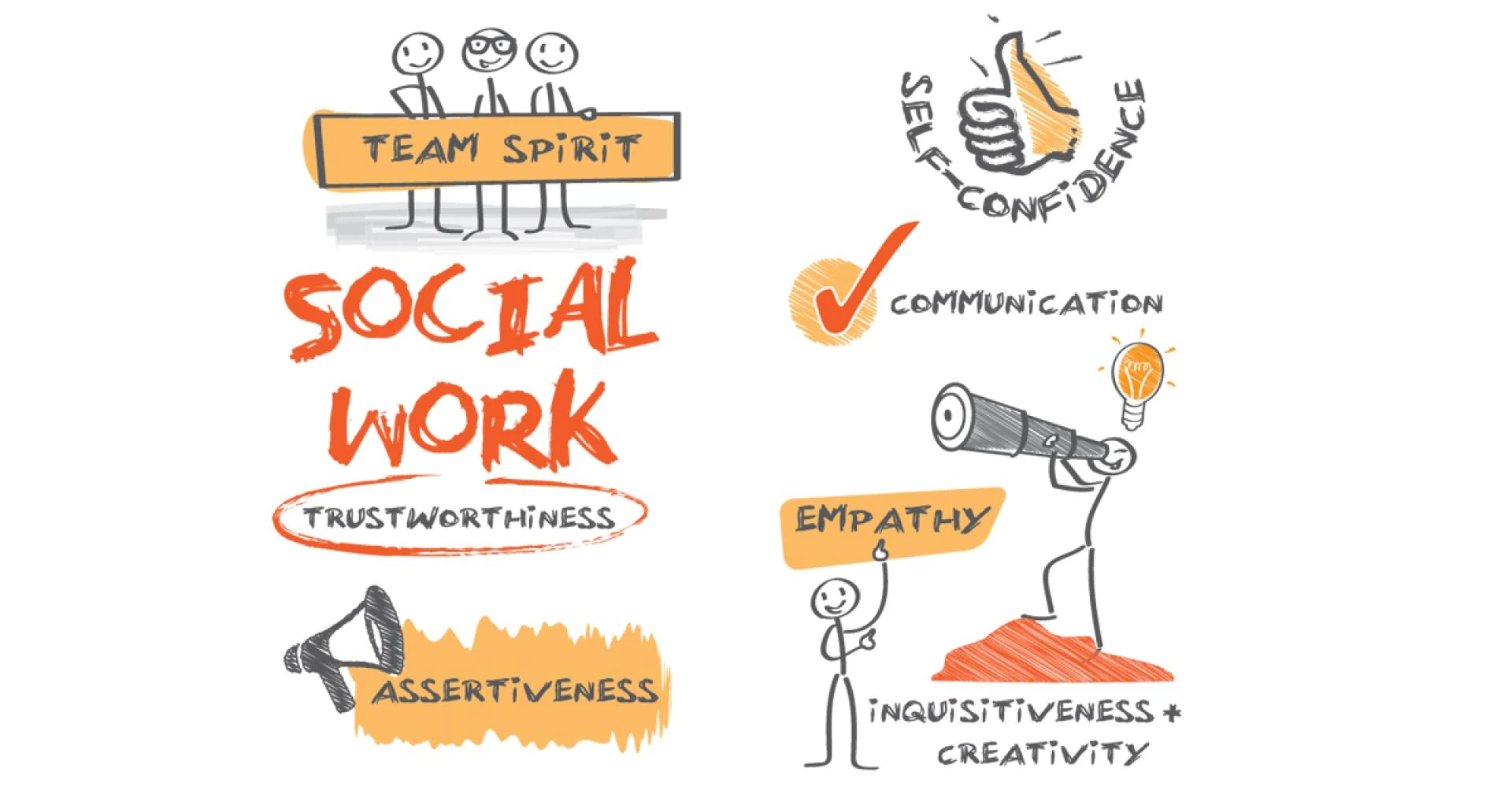
Being an effective social worker involves a combination of education, skills development, empathy, and a commitment to social justice. Social workers need to be able to assess each situation impartially by gathering data through study, interviews, and observation. Social workers may find the greatest resources, make well-informed judgments, and create the most effective client care plans by applying critical thinking and objectivity. Here are some key aspects to consider before you find jobs in social work:
1. Education and Training:
Obtain the necessary education. Most social work positions require at least a bachelor’s degree in social work (BSW), but many roles, especially those in clinical settings, may require a master’s degree (MSW). Make sure to attend an accredited social work program.
- Participate in ongoing training. Social work Jobs is a dynamic field, and ongoing professional development is crucial. Attend workshops, conferences, and training sessions to stay updated on the latest research, techniques, and best practices.
2. Develop Core Social Work Skills:
- Communication Skills: Being an effective communicator is vital. Social workers need to listen actively, express themselves clearly, and be able to communicate with diverse populations.
- Empathy and Compassion: Developing a strong sense of empathy and compassion helps build rapport with clients and facilitates a deeper understanding of their experiences and needs.
Problem-Solving Skills: Social workers often deal with complex issues. Developing strong problem-solving skills enables you to assess situations, identify challenges, and work collaboratively with clients to find solutions.
Cultural Competence: Understand and respect the diversity of cultures and backgrounds. Cultural competence is essential in providing sensitive and effective services to individuals from various backgrounds.
3. Build Therapeutic Relationships:
Establish a trusting rapport with clients. Building a strong and trusting relationship is fundamental to effective social work practice. Clients are more likely to open up and engage in the process when they feel a sense of trust and safety.
4. Advocate for Social Justice:
Social workers often find themselves in a position to advocate for the rights and needs of their clients. Understand and address systemic issues that contribute to social problems and work towards creating positive change.
5. Stay Ethical and Maintain Boundaries:
Social workers are bound by a code of ethics that guides their professional conduct. Understand and adhere to these ethical principles to maintain the trust and integrity of the profession. Maintaining appropriate boundaries is crucial in social work. Recognize the limits of your role and avoid dual relationships that may compromise the professional relationship.
6. Self-Care:
Social work can be emotionally demanding. Implement self-care practices to prevent burnout and maintain your well-being. This includes setting boundaries between work and personal life, seeking supervision and support, and engaging in activities that promote personal growth and relaxation.
7. Continuous Reflection and Supervision:
Regularly reflect on your practice, including your successes and challenges. Seek supervision and feedback to enhance your skills and address any areas for improvement.
To put it briefly, a skilled and effective social worker must have respect for the client, their private information, and their personal struggles. It is crucial for social workers to have an open mind since they frequently interact with varied and frequently poor communities. Remember that being an effective social worker is an ongoing process of learning and growth, adaptability, resilience, and a commitment to the well-being of others.





Sign in to leave a comment.