


Pain around the lower back, buttocks, and legs can have many different causes. Two conditions that can sometimes feel similar are joint pain and sciatica.
Although both conditions can affect the lower part of the body, they involve different structures. Recognising some of the differences can help you understand your symptoms and know when professional assessment may be useful.
If you are searching for Slip disc treatment, it is also important to remember that pain travelling into the leg may sometimes be related to nerve irritation rather than joint pain.
What Is Joint Pain?
The sacroiliac joints are located between the lower spine and pelvis. There is one joint on each side of the body, and they help transfer forces between the upper body and legs.
Problems involving these joints can cause joint pain around the lower back, buttocks, pelvis, or nearby areas. Some people notice increased discomfort when walking, climbing stairs, standing for long periods, or changing position.
Joint pain can sometimes be difficult to identify because its symptoms can overlap with other lower back conditions.
What Causes Joint Pain?
There are several possible factors that may contribute to joint problems. Injury, pregnancy, ageing, inflammatory conditions, and previous surgery can all play a role in some people.
Understanding the Causes Sacroiliac Joint Pain is important because treatment should be based on the underlying cause rather than simply treating the location of the discomfort.
A healthcare professional may ask about previous injuries, daily activities, medical history, and the exact location and pattern of your pain.
What Is Sciatica?
Sciatica is associated with irritation or compression of the sciatic nerve or the nerve roots that contribute to it.
The sciatic nerve travels from the lower spine through the buttock and into the leg. When this nerve or one of its roots becomes irritated, pain may travel from the lower back or buttock down the leg.
Some people also experience tingling, numbness, or weakness.
A herniated lumbar disc is one common cause of sciatica, although other spinal conditions can also affect the nerves.
How Is Joint Pain Different From Sciatica?
The location and pattern of symptoms can provide useful clues, although they cannot replace a medical assessment.
Joint pain is often concentrated around the lower back, buttock, or pelvic area. It may spread into nearby parts of the leg but does not always follow a clear nerve pathway.
Sciatica more commonly causes pain that travels from the buttock down the leg. The pain may extend towards the thigh, calf, or foot and can be accompanied by numbness, tingling, or weakness.
However, symptoms can overlap. This is why assuming that all lower back and leg pain is sciatica can sometimes lead to the wrong treatment.
Why Proper Diagnosis Matters
Identifying the likely source of pain is important because different conditions can require different approaches.
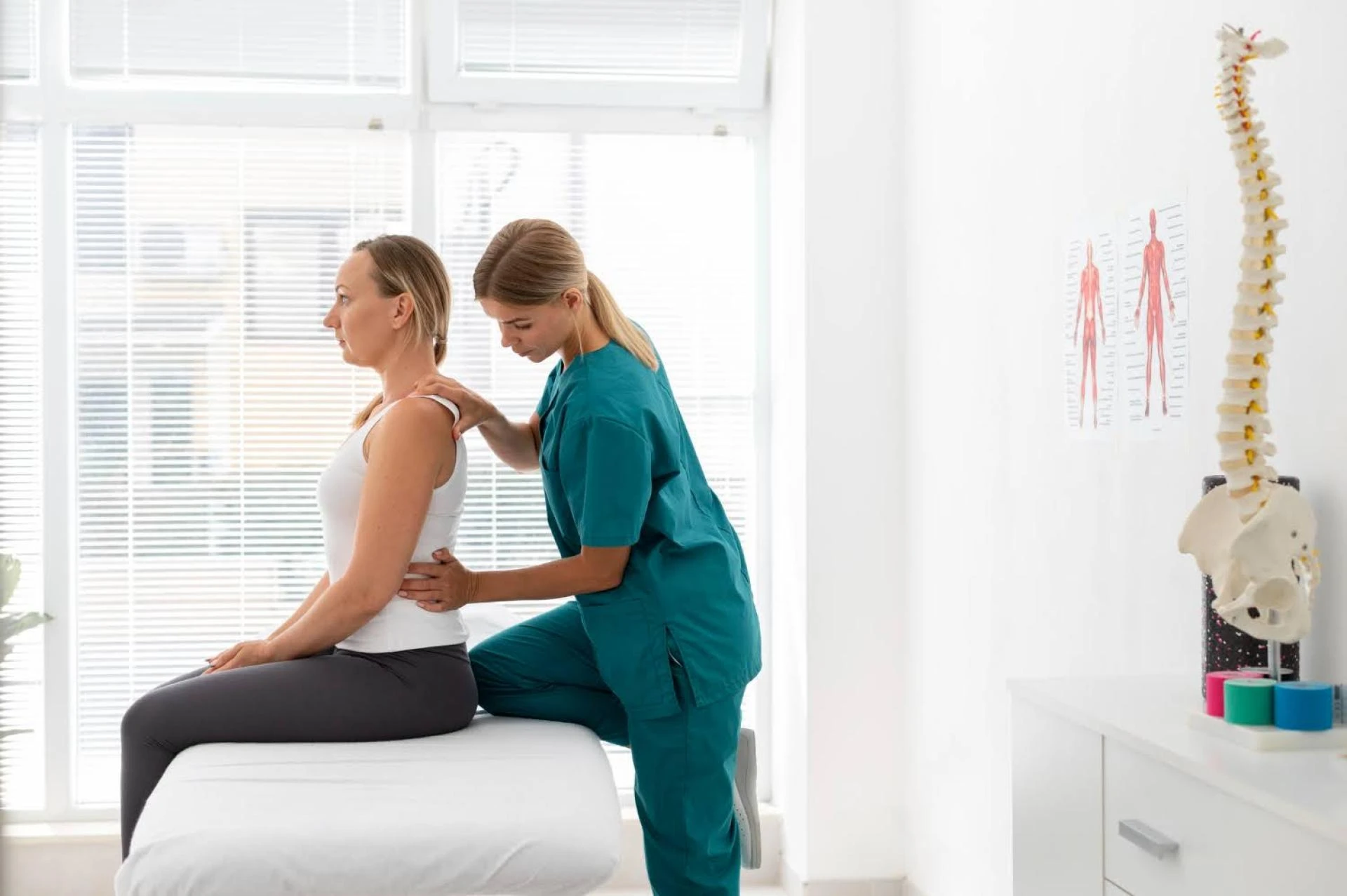
A healthcare professional may perform a physical examination and assess movement, strength, sensation, and pain responses. Depending on the symptoms, imaging may also be considered.
For suspected joint problems, specific physical tests may be used. In some situations, a diagnostic local anaesthetic injection can help determine whether the joint is contributing to the pain.
For suspected sciatica, the assessment may focus more heavily on nerve function, muscle strength, reflexes, and sensation.
Treatment Options for Joint Pain
Treatment depends on the underlying cause and severity of the symptoms.
Physiotherapy and Exercise
Physiotherapy may help improve strength, flexibility, movement, and stability. A personalised exercise program can also help people gradually return to normal activities.
Medication and Injections
Some people may benefit from medicines, supportive devices, or targeted injections, depending on their symptoms and medical history.
Radiofrequency Treatment
In selected cases, procedures such as radiofrequency denervation may be considered. Suitability depends on the source of pain and the individual's clinical assessment.
Treatment Options for Sciatica
Many people with sciatica improve with conservative treatment. Depending on the cause and severity, management may include exercise, physiotherapy, medicines, and other forms of pain management.
For some people, targeted injections may be considered. Surgery may also be an option when symptoms are severe or persistent and other treatments have not helped sufficiently.
The right approach depends on the individual and the cause of the nerve irritation.
What About Regenerative Treatments?
People with ongoing joint or musculoskeletal pain may encounter regenerative medicine options when researching treatment online.
Stem Cell Therapy is an area of ongoing research, but not every treatment marketed under this name has the same level of scientific evidence or regulatory approval.
It is important to ask what evidence supports a particular treatment, whether it is approved for the condition being treated, and what potential risks are involved.
A qualified healthcare professional can help you understand whether an emerging treatment is appropriate for your specific situation.
When Should You See a Doctor?
Consider seeking medical advice if your pain continues, becomes worse, or starts interfering with normal activities.
Urgent assessment is important if you develop new bladder or bowel problems, numbness around the genital or anal area, or significant weakness in the legs.
These symptoms can indicate serious nerve compression and require prompt medical attention.
Final Thoughts
Joint pain and sciatica can produce similar symptoms, but they involve different structures and may require different treatment strategies.
The location and pattern of your pain can provide clues, but a proper clinical assessment is the best way to investigate the possible cause.
Rather than assuming that every episode of lower back or leg pain is the same, getting an appropriate assessment can help you understand your symptoms and choose a suitable management approach.























Sign in to leave a comment.