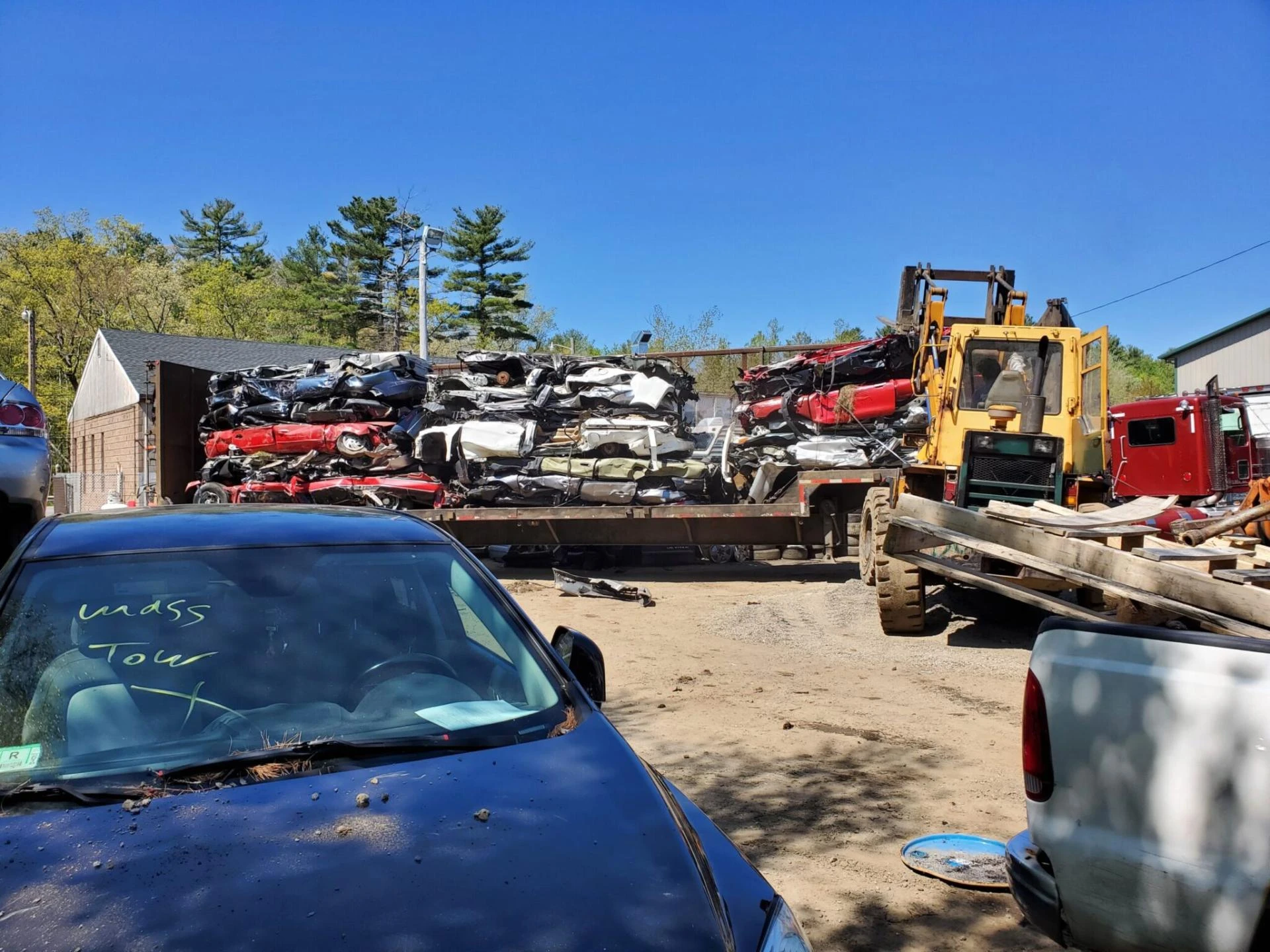

Introduction: Turning an Old Car into Quick Money
At some point, almost every car owner faces the same problem. The vehicle that once felt reliable now sits unused, costs more to fix than it’s worth, or simply won’t start anymore. It may be rusted, damaged, or just too old to justify repairs. When this happens, many people wonder what to do next.
Selling a broken or unwanted car can feel confusing at first. You might imagine piles of paperwork, endless phone calls, or buyers trying to bargain you down. But the process doesn’t have to be complicated. Today, there are simple ways to exchange an old vehicle for cash without stress, long waits, or technical knowledge.
This guide explains everything you need to know, step by step, using clear language and everyday examples. By the end, you’ll understand how the process works, what to expect, and how to make a smart decision that saves time and puts money in your pocket.
What Does “Junking” a Car Really Mean?
The word “junk” can sound harsh, but it simply describes a car that no longer makes sense to keep. This could be because it doesn’t run, failed an inspection, was in an accident, or costs too much to repair.
Think of it like an old phone with a cracked screen and poor battery life. You could spend money fixing it, but a newer option makes more sense. Junking a car is similar—you’re choosing value and convenience over ongoing frustration.
Importantly, junking a car doesn’t mean it has zero value. Even vehicles that won’t drive still contain usable parts and recyclable metal. That’s why buyers are willing to pay cash for them.
Why People Choose Cash Over Repairs
Fixing a car often feels like pouring water into a leaky bucket. You repair one issue, and another pops up soon after. For older vehicles, repair bills can quickly exceed the car’s actual value.
Here are some common reasons people choose cash instead:
• Repairs cost more than the car is worth
• The vehicle is unsafe or unreliable
• Insurance declared it a total loss
• The car has been sitting unused for months
• You need quick money without delays
Choosing cash is often the most practical option, especially when reliability and budget matter.
How the Process Works from Start to Finish
The process of selling an unwanted car is much simpler than most people expect. Here’s how it usually works in plain terms.
Step 1: Share Basic Car Details
You start by providing simple information about the vehicle. This includes the make, model, year, and condition. You don’t need mechanical knowledge—just be honest about whether it runs and any visible damage.
This is like describing a used item before selling it. Clear details help buyers give a fair price.
Step 2: Get a Cash Offer
Based on the details, you receive an offer. This amount usually reflects the car’s parts value, metal content, and demand. There’s no obligation to accept, so you can decide without pressure.
Step 3: Schedule Pickup
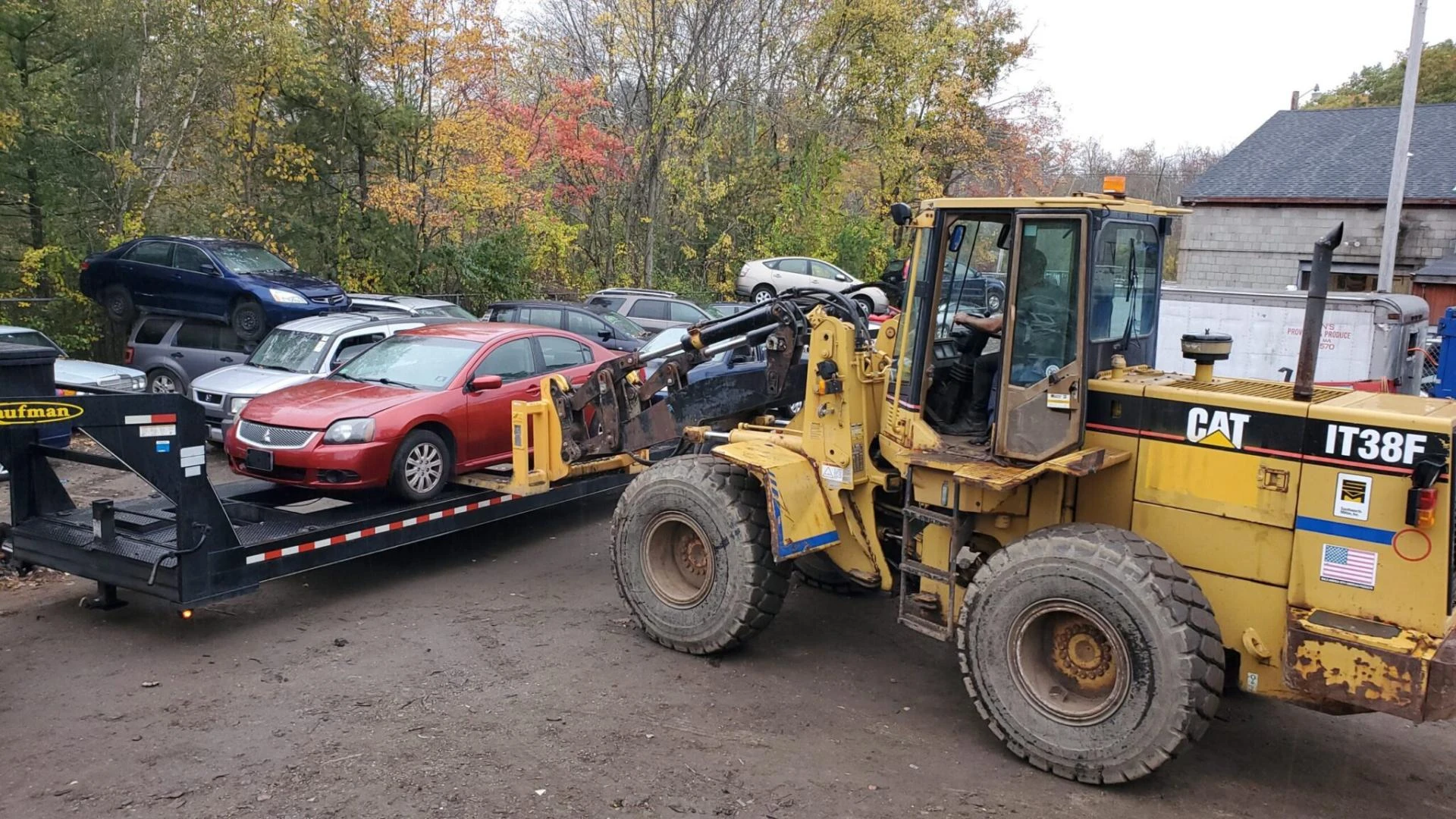
If you accept the offer, pickup is arranged at a time that works for you. Most services handle towing, so you don’t need to move the car yourself—even if it doesn’t start.
Step 4: Get Paid
Payment is usually made at pickup. Once the car is collected, the transaction is complete. No waiting, no follow-ups.
This straightforward process is why so many people prefer it over private selling or repairs.
What Types of Cars Are Accepted?
One common myth is that only completely destroyed cars qualify. In reality, many different vehicles are accepted.
These often include:
• Cars that won’t start
• Vehicles with engine or transmission issues
• Accident-damaged cars
• Old cars with high mileage
• Rusted or weathered vehicles
• Cars without current registration
If it has four wheels and once drove, chances are it has value.
Understanding Car Value in Simple Terms
Car value isn’t only about whether it runs. Think of a car like a box of useful materials. Even if the box is damaged, what’s inside can still be valuable.
Several factors influence the price:
Weight: Heavier cars often contain more recyclable metal
• Parts: Some parts can be reused or resold
• Condition: Less damage can mean higher value
• Demand: Certain models are more sought after
This is why two cars of the same age can have very different prices.
Paperwork Made Easy
Paperwork sounds intimidating, but it’s usually minimal. In most cases, you’ll need proof that you own the car. This is often the title or ownership document.
If paperwork is missing, many buyers can still guide you through alternatives. The key is clear communication and honesty.
Think of it like returning an item with a receipt. When documents are in order, everything moves faster.
Benefits of Choosing a Professional Buyer
Selling privately can be time-consuming. You may deal with no-shows, endless questions, or unsafe meetings. Professional buyers remove these headaches.
Key benefits include:
• No advertising or listing fees
• No negotiating with strangers
• Free towing
• Fast payment
• Clear timelines
For people who value convenience, this option often makes the most sense.
Environmental Benefits You Might Not Expect
Recycling a car is better for the environment than letting it rust away. Old vehicles can leak fluids into the ground, causing pollution.
When a car is recycled:
• Usable parts are reused
• Metals are melted down and reused
• Waste is reduced
It’s similar to recycling household items instead of throwing them away. You’re not just earning money—you’re also helping reduce waste.
Common Mistakes to Avoid
Even with a simple process, a few mistakes can reduce your payout or cause delays.
Not Comparing Offers
Getting more than one quote can help you understand fair value.
Leaving Personal Items Inside
Always check the glove box, trunk, and under seats before pickup.
Forgetting to Cancel Insurance
Once the car is sold, cancel insurance and registration to avoid extra costs.
These small steps can save time and money.
When Speed Matters Most
There are times when selling quickly is the top priority. Maybe you’re moving, clearing space, or handling unexpected expenses. In such cases, many people search for ways to sell my car fast for cash without delays or uncertainty.
This approach focuses on speed and simplicity rather than squeezing out every last dollar. For many sellers, peace of mind is worth more than waiting weeks for a private buyer.
Choosing a Trusted Service
Not all buyers are the same. Look for clear communication, transparent pricing, and reviews that reflect reliability. A trusted name Rapid Cash For Junk Cars is known for straightforward service and fair offers, which helps reduce stress during the process.
Choosing the right buyer is like choosing a reliable mechanic—you want honesty, clarity, and no surprises.
Is This Option Right for You?
Ask yourself a few simple questions:
• Is the car costing more than it’s worth?
• Has it been sitting unused for a long time?
• Do you want a quick, simple solution?
If you answered yes, this option is likely a good fit.
Conclusion: A Practical Way Forward
Letting go of an old car can feel emotional, especially if it’s been with you for years. But holding onto something that no longer serves you often creates more stress than relief.
Choosing to junk my car for cash is not about giving up—it’s about making a practical decision. You free up space, avoid ongoing costs, and walk away with money in hand. The process is simpler than most people expect, and with the right buyer, it can be completed in just a day or two.
By understanding how it works and knowing what to expect, you can move forward with confidence. Sometimes, the smartest choice is also the easiest one.
Sign in to leave a comment.