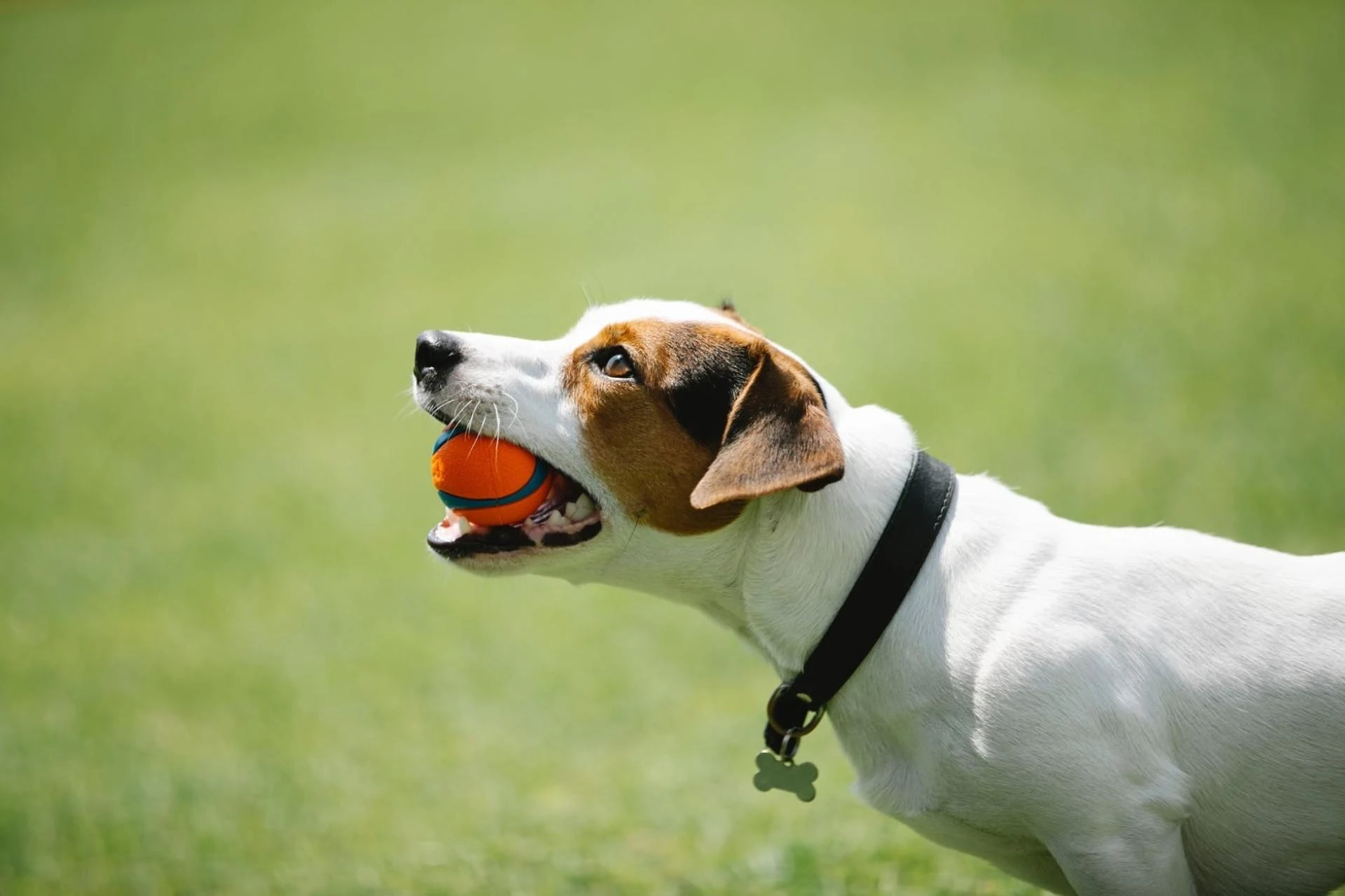

A well-trained K9 dog doesn't just happen overnight — it starts with a dedicated, well-structured puppy training program. Whether you’re aiming to raise a police dog, protection dog, or simply a disciplined and loyal family guardian, K9 puppy training is the crucial first step.
In this article, we’ll explore how to train a K9 puppy from the ground up, what skills to prioritize, and how to avoid common mistakes that could hinder your dog’s working potential.
What Makes K9 Training Unique?
K9 training is a specialized form of working dog training focused on obedience, task-specific skills, and handler control. Unlike basic pet obedience, K9 dogs are prepared for high-pressure environments, including:
- Law enforcement
- Search and rescue
- Personal protection
- Detection work (drugs, explosives, tracking)
To succeed in these roles, a K9 dog must be confident, obedient, and mentally strong — and that foundation begins in puppyhood.
Choosing the Right Puppy for K9 Work
Not all puppies are suited for K9 training. Look for the following traits:
- High drive (play, food, prey)
- Focus and responsiveness
- Social but not overly needy
- Stable temperament
The most common K9 breeds include:
- Belgian Malinois
- German Shepherd
- Dutch Shepherd
- Labrador Retriever (for scent detection)
- Springer Spaniel (for search and tracking)
Breeding, early social exposure, and temperament testing are all factors in choosing a promising K9 candidate.
K9 Puppy Training Milestones (Age-Based Breakdown)
8–12 Weeks: Socialization and Confidence Building
- Introduce the puppy to different people, environments, sounds, and surfaces.
- Use play to build confidence and curiosity.
- Begin name recognition and bonding exercises.
Goal: Create a fearless, socially stable puppy.
12–16 Weeks: Foundational Obedience
Start with simple commands:
- Sit
- Down
- Come
- Place
- Crate training
Use food rewards or toys as motivation. Keep sessions short (5–10 minutes) but consistent.
Goal: Establish trust, structure, and positive association with training.
4–6 Months: Impulse Control and Marker Training
Introduce concepts like:
- “Wait” and “Stay”
- Loose leash walking
- “Yes” and “No” marker words or clicker
- Ignoring distractions during tasks
Start teaching engagement — your pup should look to you for guidance, even in stimulating environments.
Goal: Build focus, patience, and responsiveness.
6+ Months: Intro to Working Skills (Light Drive Work)
Start light, age-appropriate training in:
- Tracking (scent games, nose work)
- Tug with proper grip encouragement
- Basic obstacle navigation
- Elevated obedience (long stays, out-of-sight recalls)
Don’t rush the process. Puppies should never be pushed into advanced work before mastering the basics.
Goal: Introduce task-oriented thinking and build drive without creating stress.
Pro Tips for Raising a K9 Puppy
✅ Use positive reinforcement. Reward the behavior you want to see repeated.
✅ Train every day. Even 10 minutes a day builds consistency.
✅ Keep sessions fun and engaging. K9 dogs need to love the work.
✅ Avoid harsh corrections. Focus on redirection, not punishment.
✅ Expose your puppy to chaos — in small doses. Think busy sidewalks, noisy parks, etc.
Common K9 Puppy Training Mistakes to Avoid
🚫 Skipping early socialization
This leads to fearfulness and reactivity later.
🚫 Inconsistent commands or rules
Mixed signals confuse your dog and weaken your authority.
🚫 Too much, too soon
Let your puppy be a puppy. Rushing into protection or scent work too early can lead to burnout or behavioral issues.
🚫 Focusing only on obedience
Drive-building and confidence are just as important as sitting on command.
Home Training vs. Professional K9 Courses
Many K9 owners start the early phases of puppy training at home, which is great for bonding and basic development. However, if your goal is full K9 certification or advanced protection work, a professional K9 training program is essential.
What Professional Training Offers:
- Safe aggression and bite training
- Real-world tracking simulations
- Scent detection under stress
- High distraction obedience
- Legal compliance for protection work
Final Thoughts
K9 puppy training is about building a strong mental and behavioral foundation — one that prepares your dog for work, discipline, and lifelong partnership.



























Sign in to leave a comment.