
Why Cape Town Is Built for Outdoor Activities
Cape Town sits between the Atlantic Ocean and some of the most striking mountains in southern Africa. Table Mountain, Lion’s Head, Signal Hill, and the Twelve Apostles form the backdrop to a city that practically begs you to get outside and move. Whether you live here or you are visiting for a week, there is no shortage of ways to get active without stepping inside a gym.
Two of the most popular ways to experience the city are from the water and from the trails. Kayaking along the Atlantic coastline and hiking up the surrounding peaks give you completely different views of the same place, and both are worth doing.
Paddling the Atlantic Coastline
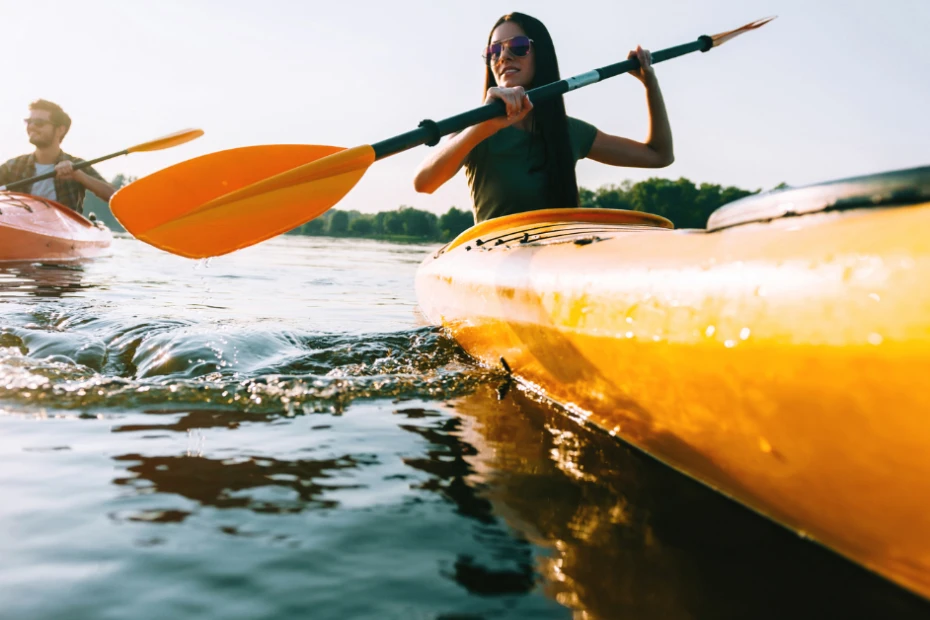
Kayaking in Cape Town has become one of the most popular outdoor activities in the city, and for good reason. The Atlantic coastline is dramatic. Towering mountains rise up from the shore, the water is deep blue, and on a calm morning the conditions are perfect for a paddle.
Most kayak trips launch from the V&A Waterfront area and head along the Atlantic Seaboard towards Sea Point. From the water, you get a completely different perspective of the city. Table Mountain looks massive from down at sea level, and Lion’s Head takes on a shape you do not quite appreciate from the ground.
Marine life is a big part of the experience too. Cape Town’s waters are home to Cape fur seals, dolphins, African penguins, sunfish, and whales. Seal sightings are almost guaranteed, and dolphins are common, particularly during the warmer months. Whale season runs roughly from June to November, and spotting a southern right whale or a humpback from a kayak is something most people do not forget in a hurry.
No previous kayaking experience is needed for most tours. The kayaks used are stable, sit on top models designed for beginners. A guide paddles with the group, sets the pace, and makes sure everyone is comfortable. The typical tour lasts about two hours, which is enough time to cover a good stretch of coastline without wearing yourself out.
What to Know Before You Go Kayaking
Cape Town’s weather is famously unpredictable, and conditions on the water can change quickly. Wind is the biggest factor. The notorious south easter can pick up in the afternoon, so morning slots tend to have the calmest water. If the wind is too strong, tours get cancelled for safety reasons. This is normal and worth planning around.
Dress in layers and bring sunscreen. Even on overcast days, the UV in Cape Town is strong, and being on the water amplifies it. A hat and sunglasses are a good idea too. Most operators provide life jackets and all the gear you need, so you do not have to bring your own equipment.
Cape Town kayak tours run year round, but the experience changes with the seasons. In summer (December to February), the water is warmer, the days are longer, and you are more likely to see dolphins. In winter, the seas can be choppier, but whale sightings are at their peak and the crowds are smaller.
Hitting the Trails
Cape Town has some of the best hiking in South Africa, and the options range from easy walks to serious scrambles. The two most popular peaks are Table Mountain and Lion’s Head, both of which are right in the middle of the city.
Lion’s Head is the shorter of the two and takes most people about an hour and a half to reach the top. The trail wraps around the peak in a spiral, with a few sections that require some scrambling over rocks and a couple of chain ladders. The summit gives you a full 360 degree view of the city, the ocean, and the mountains. It is spectacular at sunrise and sunset, and the full moon hike has become a Cape Town tradition.
Table Mountain is a bigger undertaking. There are several routes up, and the most popular one for guided groups is India Venster. This trail takes about three hours to the top and involves some rock hopping and scrambling. The views along the way are incredible, with the city spread out below you as you climb higher. Once at the top, the flat summit plateau feels like a different world, with fynbos vegetation, dassies (rock hyraxes) sunning themselves, and views that stretch for miles.
Platteklip Gorge is the most direct route up Table Mountain and is steep the entire way. It is less scenic than India Venster but gets you to the top faster. For people who prefer a straightforward climb without much scrambling, this is usually the go to option.
Why a Guided Hike Makes Sense
Table Mountain and Lion’s Head might be in the middle of a city, but they are still mountains. Weather can roll in fast, paths can be confusing for first timers, and some sections are exposed. Going with an experienced guide makes the whole experience safer and more enjoyable.
Hiking tours Cape Town are run by local guides who know the mountain inside and out. They know which routes suit different fitness levels, where the best photo spots are, and how to read the weather. A good guide will set a comfortable pace, point out interesting plants and wildlife along the way, and make sure everyone gets to the top and back down safely.
For visitors who do not know the area, a guided hike takes the guesswork out of the experience. You do not have to worry about which trail to take, whether you have enough water, or what to do if the clouds come in. You just show up, follow the guide, and enjoy the walk.
Combining Kayaking and Hiking
One of the great things about Cape Town is that you can easily do both activities on the same trip. A morning kayak followed by an afternoon hike, or the other way around, gives you the best of both worlds. You see the city from the water and from the mountain, and the experiences complement each other well.
For anyone visiting Cape Town with limited time, doing a kayak and a hike on consecutive days is one of the best ways to experience the city without sitting in traffic or standing in queues. Both activities are physical enough to feel rewarding but accessible enough that most reasonably fit people can handle them.
Practical Tips for Planning
Book activities for the start of your trip rather than the end. Cape Town weather can force cancellations, and having a buffer of a few days means you can reschedule if needed. Morning time slots are better for both kayaking and hiking, as the wind tends to pick up in the afternoon and the sun gets harsher.
Wear proper shoes for hiking. Sandals and fashion trainers are not going to cut it on Table Mountain. Trail shoes or any shoe with a good grip will make a big difference on the rocky sections.
Bring water on every hike. There is no shade on large portions of Lion’s Head, and the climb up Table Mountain can be hot on a summer day. Two litres per person is a sensible minimum.
Cape Town rewards people who get outside and get moving. The city looks good from a car window, but it looks even better from the seat of a kayak or the top of a mountain.




























Sign in to leave a comment.