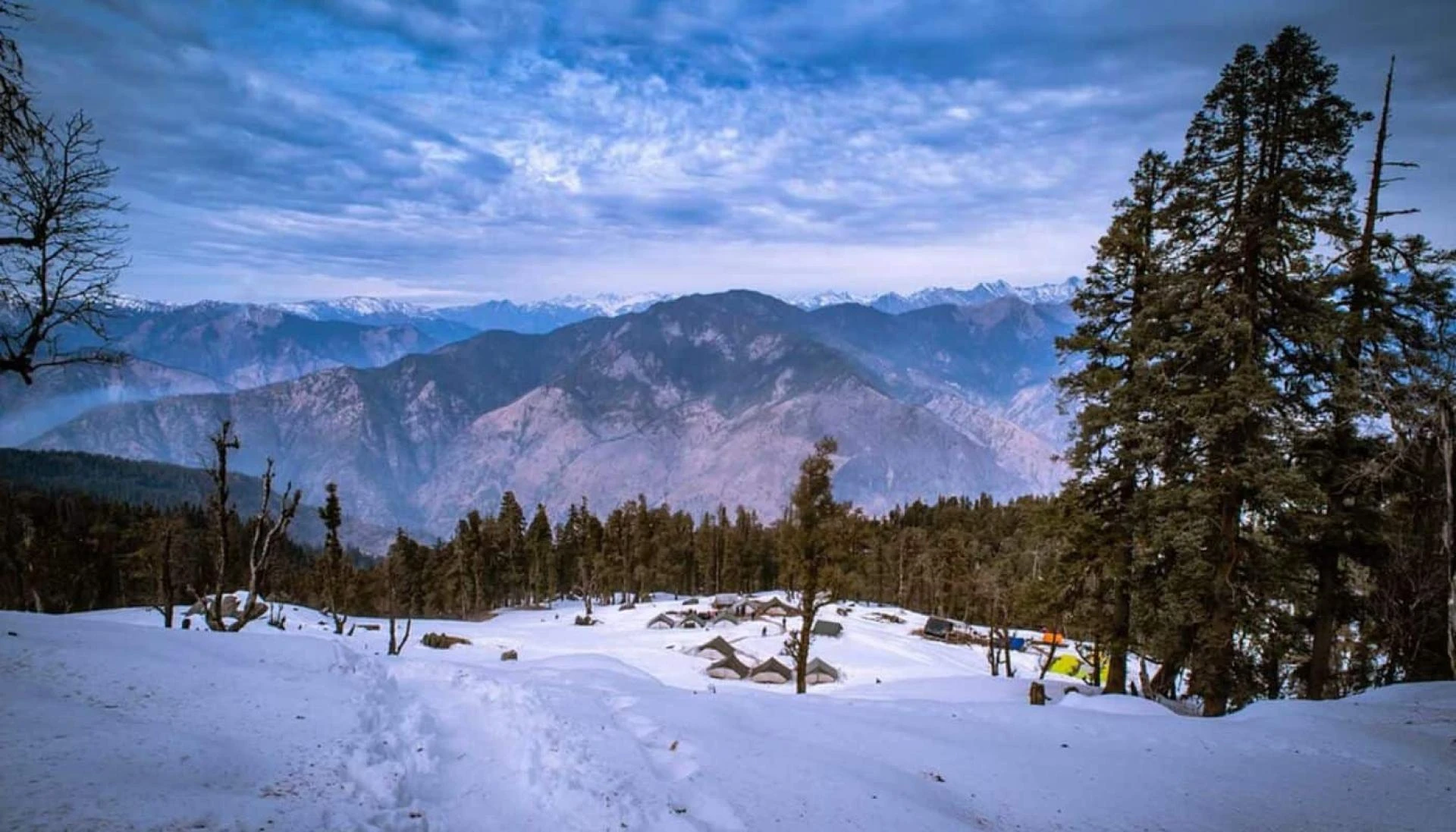

 The Kedarkantha trek is a mesmerizing journey through the breathtaking landscapes of the Himalayas, offering adventure enthusiasts a chance to immerse themselves in the natural beauty and tranquility of the region. Situated in the Uttarkashi district of Uttarakhand, India, this trek is renowned for its picturesque views, lush greenery, and snow-covered peaks. Let\'s delve into the details of this unforgettable adventure.
Planning and Preparation
Choosing the right time for the trek
The best time to embark on the Kedarkantha trek is during the winter months, from December to April. This period offers clear skies, pristine snow, and panoramic vistas. However, it\'s essential to check weather forecasts and trail conditions before planning your trip.
Packing essentials
When preparing for the Kedarkantha trek, it\'s crucial to pack wisely. Some essentials include warm clothing, sturdy trekking shoes, a sleeping bag, sunscreen, sunglasses, a first aid kit, and a water bottle. Additionally, don\'t forget to carry energy-boosting snacks and a camera to capture the breathtaking scenery.
Physical fitness and training
While the Kedarkantha trek is suitable for beginners, it\'s essential to maintain a good level of physical fitness. Regular cardio exercises, strength training, and endurance workouts can help prepare your body for the challenges of trekking at high altitudes.
Route and Itinerary
Day 1: Arrival in Sankri
Your journey begins in the quaint village of Sankri, nestled in the Garhwal Himalayas. This picturesque hamlet serves as the starting point for the trek, offering stunning views of the surrounding mountains.
Day 2: Trek from Sankri to Juda-ka-Talab
On the second day, you\'ll embark on a scenic trek from Sankri to Juda-ka-Talab, a serene lake surrounded by lush green meadows. Along the way, you\'ll encounter dense forests, gurgling streams, and diverse wildlife.
Day 3: Trek from Juda-ka-Talab to Kedarkantha Base
As you ascend towards the Kedarkantha base camp, you\'ll be greeted by panoramic views of snow-capped peaks and alpine meadows. The trail offers a perfect blend of adventure and tranquility, with opportunities to spot rare Himalayan birds and animals.
Day 4: Summit Day and back to Hargaon
The fourth day is dedicated to conquering the summit of Kedarkantha, standing tall at an altitude of 12,500 feet. The awe-inspiring views from the summit make the challenging ascent worth every step. After descending, you\'ll head back to Hargaon for a well-deserved rest.
Day 5: Descend to Sankri
On the final day of the trek, you\'ll descend back to Sankri, reminiscing about the unforgettable experiences and memories created during your journey. Take a moment to soak in the beauty of the Himalayan landscape before bidding farewell to this magical destination.
Highlights of the Trek
Flora and fauna
The Kedarkantha trek is home to a diverse range of flora and fauna, including pine forests, oak trees, and rare Himalayan species such as the musk deer and snow leopard. Nature enthusiasts will delight in the opportunity to observe these majestic creatures in their natural habitat.
Panoramic views
One of the highlights of the Kedarkantha trek is the breathtaking panoramic views it offers at every turn. From snow-covered peaks to verdant valleys, the landscape is a photographer\'s paradise, providing ample opportunities to capture postcard-perfect shots.
Cultural experiences
In addition to its natural beauty, the Kedarkantha trek also offers insight into the rich cultural heritage of the region. Along the way, you\'ll encounter remote villages, ancient temples, and hospitable locals, providing a glimpse into the traditional way of life in the Himalayas.
Challenges and Tips
Altitude sickness precautions
Given the high altitude of the Kedarkantha trek, altitude sickness can be a concern for trekkers. To minimize the risk, it\'s essential to stay hydrated, ascend gradually, and listen to your body\'s signals. If symptoms persist, descend to a lower altitude immediately.
Weather considerations
The weather in the Himalayas can be unpredictable, with sudden changes in temperature and conditions. Be prepared for cold temperatures, snowfall, and strong winds, and dress in layers to stay warm and dry throughout the trek.
Importance of acclimatization
Proper acclimatization is key to a successful trek in the Himalayas. Take time to acclimatize to the altitude by ascending gradually, staying hydrated, and avoiding strenuous activity in the initial days of the trek.
Safety Measures
Importance of a knowledgeable guide
When undertaking the Kedarkantha trek, it\'s advisable to hire a knowledgeable guide who is familiar with the terrain and weather conditions. A guide can provide valuable insights, ensure your safety, and enhance your overall trekking experience.
Emergency contacts and communication
Before embarking on the trek, make sure to have emergency contacts handy, including local authorities, rescue services, and medical facilities. Additionally, carry a fully charged mobile phone with a backup power source to stay connected in case of emergencies.
First aid kit essentials
A well-stocked first aid kit is essential for any trekking expedition. Include items such as bandages, antiseptic wipes, pain relievers, blister pads, and medications for altitude sickness. Familiarize yourself with the contents of the kit and know how to administer basic first aid.
Conclusion
The Kedarkantha trek is a once-in-a-lifetime adventure that promises unforgettable experiences and breathtaking scenery. Whether you\'re an experienced trekker or a novice adventurer, this Himalayan trail offers something for everyone. So pack your bags, lace up your boots, and embark on an epic journey through the heart of the mountains.
FAQs
- Is the Kedarkantha trek suitable for beginners?
- Yes, the Kedarkantha trek is considered suitable for beginners with a reasonable level of fitness and preparation.
- What is the best time to undertake the Kedarkantha trek?
- The best time to embark on the Kedarkantha trek is during the winter months, from December to April, when the weather is clear, and the snow is pristine.
- Are there any altitude sickness precautions I should take?
- Yes, it\'s essential to stay hydrated, ascend gradually, and listen to your body\'s signals to minimize the risk of altitude sickness.
- Do I need to hire a guide for the Kedarkantha trek?
- While it\'s not mandatory, hiring a knowledgeable guide is advisable for safety reasons and to enhance your overall trekking experience.
- What type of clothing should I pack for the Kedarkantha trek?
- It\'s essential to pack warm clothing, including insulated jackets, thermal layers, waterproof pants, and sturdy trekking shoes, to stay comfortable in the cold weather.









Sign in to leave a comment.