
Listeria Monocytogenes has grown to be a significant issue for the food business during the last 20 years. The third most common cause of food poisoning-related fatalities is listeria. It can also be obtained via deli meats, sushi, smoked fish and shellfish, raw milk, unpasteurized cheese, and ice cream. It is typically acquired by consuming contaminated, ready-to-eat foods including salads, raw fruit, and vegetables.
It has one of the highest fatality rates of all known foodborne infections, at 20%. (1 in 5). The elderly, neonates and pregnant people are more susceptible to illnesses. From a minor flu-like disease to serious blood poisoning and meningitis, there are a variety of symptoms.
The Five Most Frequently Occurring Sites for Listeria
For good reason, food manufacturing facilities concentrate their cleaning efforts on areas where ready-to-eat (RTE) food is exposed. The consumer is in the greatest danger because of this. Employees must be properly educated to utilize hygienic utensils and containers, protective equipment, and gloves, and these locations must be kept clean. Consider wearing protective gowns, aprons, or sleeves so that your clothing will stay clean when handling open food because personal hygiene and protective clothing are very vital.
Listeria is frequently discovered in unanticipated locations that receive less attention during cleaning and sanitation
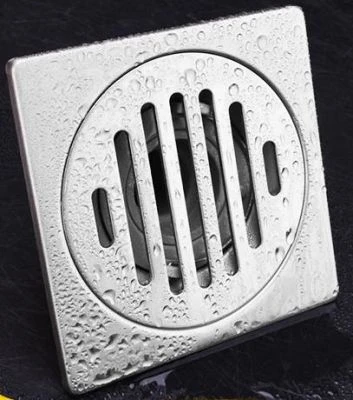
Drains: Due to the abundance of standing, and unclean water, floor drains are one of the most common places for Listeria Monocytogenes. In food and beverage production facilities, it is estimated that 30% of the drain samples tested positive for Listeria. When you clean your drains with a pressurized washer, the water blast spreads Listeria throughout the air and onto your equipment. A pool of hazardous water might form on your manufacturing floor as a result of a clogged or overflowed drain. By crossing infected trench drain grates, workers can transfer Listeria to areas that have been cleaned. When your crew utilizes brushes and buckets on your equipment after cleaning floor drains, cross-contamination happens.Floors: There are Listeria Monocytogenes all around us, primarily on the ground's dust. This indicates that the majority of the time, boots and shoes are used to spread Listeria. In the vulnerable parts of the plant, it is essential to make sure that employee boots and shoes are clean. It is not recommended to wear plastic overshoes or shoe covers since they may tear and expose you to risk or outside dirt may accumulate on top of the plastic. Maintaining dry floors in your building is equally vital. Listeria bacteria require water to survive and proliferate. Water drainage will be ensured at your facility by proper water management.Processing Instruments: Naturally, the area closest to your processing machinery—where there is direct food contact—is where you run the biggest danger of contamination. In order for your clean-in-place system to effectively sterilize the equipment, it is crucial that all surfaces be smooth and free of obstructions. Particular care should be paid to difficult-to-reach regions, such as poorly drained open equipment frameworks, hollow, unsealed rollers, bad welds, spaces inside cutting machines, and areas under coverings and guards. Always keeping water away from your goods is the golden guideline.For more information, visit the leading 3pc stainless steel floor drains exporter










Sign in to leave a comment.